Agroforestry is the practice of integrating trees with crop and animal farming systems, and it covers designs ranging from tree rows between crops to wooded pastures.
It is one option among the wider set of sustainable farming practices, and the USDA National Agroforestry Center says agroforestry systems can complement soil-health practices such as cover crops, no or low till, nutrient management and crop rotation.
What agroforestry means and how widespread it is
The Food and Agriculture Organization of the United Nations (FAO) describes agroforestry as founded on long-standing practices of integrating trees with crop and animal farming systems, encompassing a great diversity of land management systems practiced globally. FAO also states that agroforestry is estimated to be found on more than 43% of all agricultural land globally, where 30% of rural populations live. These are global estimates, and FAO has published a separate review of the principal methods currently used to estimate areas under agroforestry at global, regional and national scales.
According to the same FAO page, agroforestry systems as multifunctional practices can improve livelihood resilience and food security for farmers, provide ecosystem services such as improved soil health and water management, and contribute to climate change mitigation and adaptation. FAO adds that agroforestry systems can reach 50 to 80% of the biodiversity of natural forests.
Most of the practice descriptions below come from the USDA National Agroforestry Center, so they reflect United States conditions and terminology.
The main agroforestry practices
The National Agroforestry Center describes practices such as alley cropping, silvopasture, windbreaks, riparian forest buffers and forest farming. Each combines trees or shrubs with other farm activity in a different way.
Alley cropping
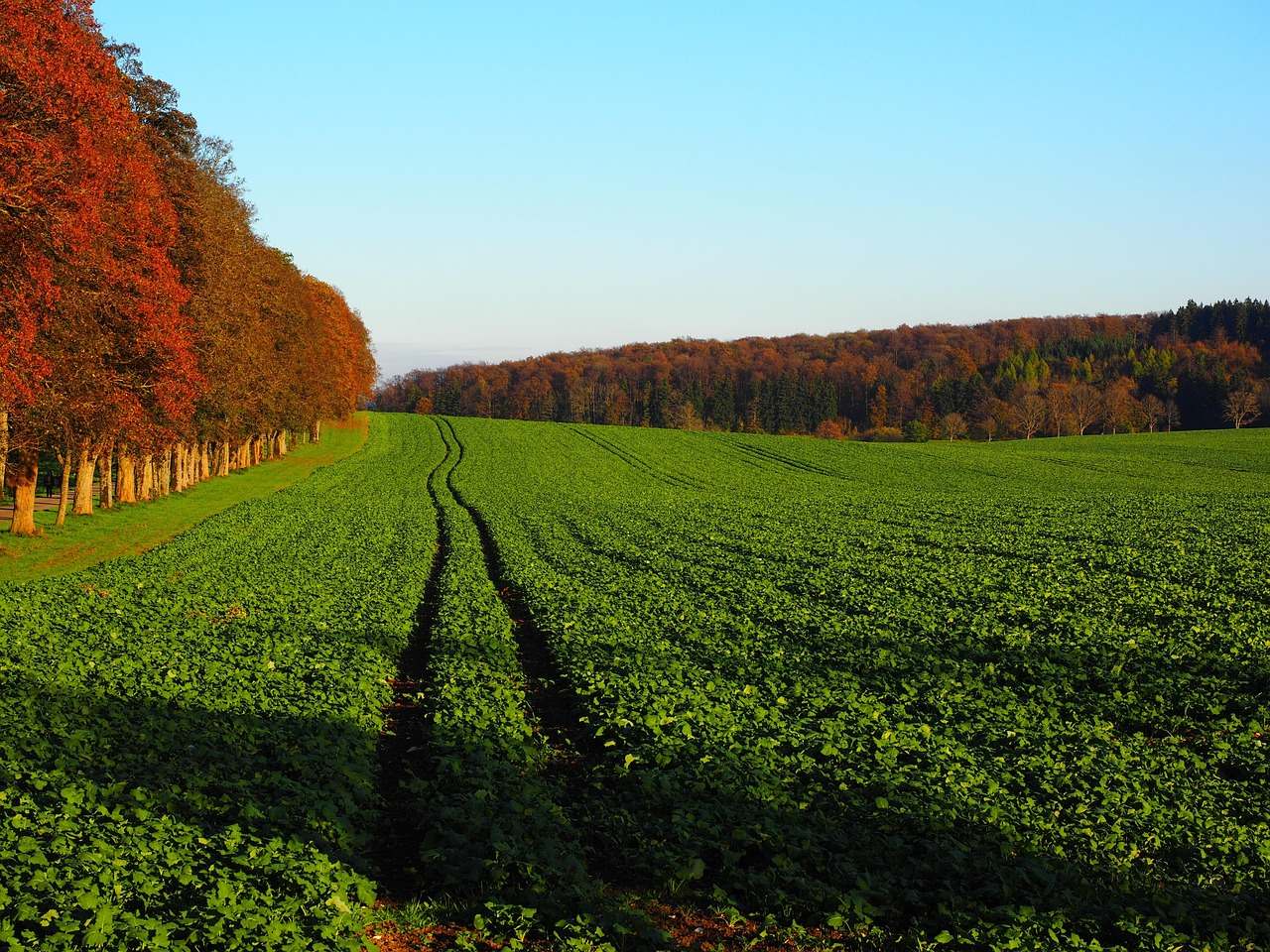
The center defines alley cropping as the planting of rows of trees and/or shrubs to create alleys within which agricultural or horticultural crops are produced. The trees may include valuable hardwood veneer or lumber species; fruit, nut or other specialty crop trees/shrubs; or desirable softwood species for wood fiber production.
The same page notes that alley cropping systems change over time. As trees and shrubs grow, they influence the light, water, and nutrient regimes in the field, and these interactions are what set alley cropping apart from more common monocropping systems.
Silvopasture
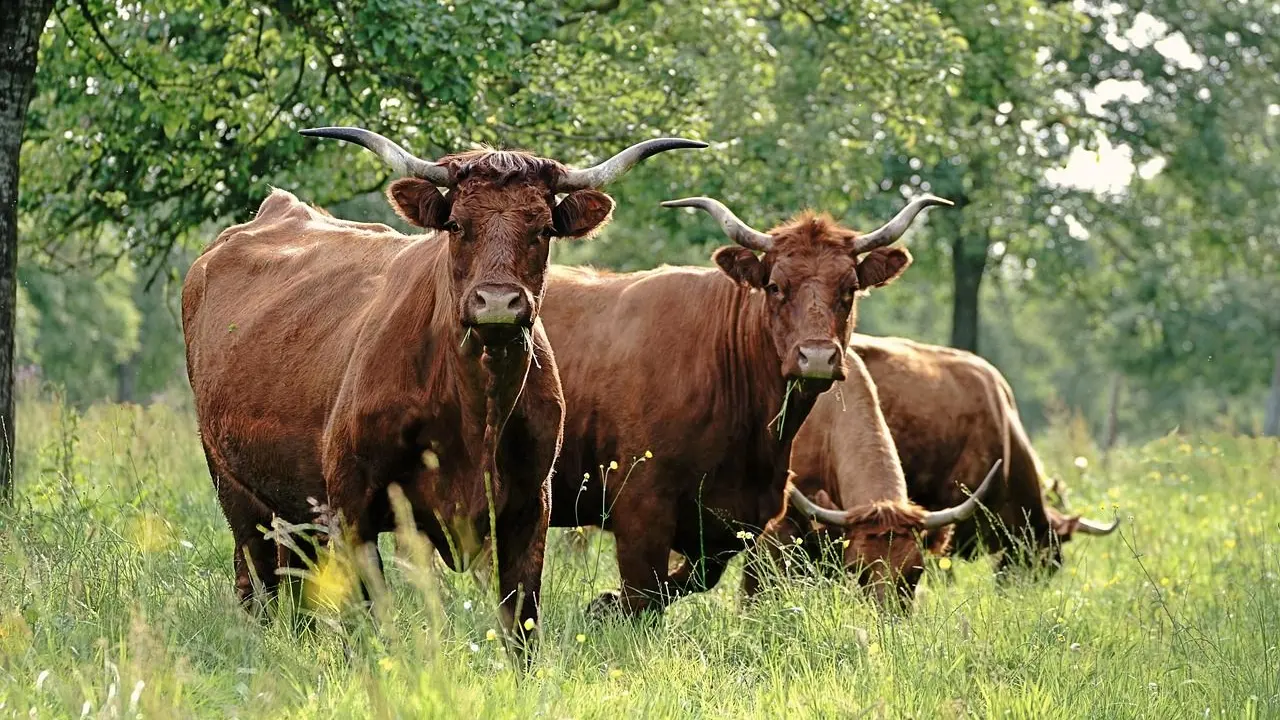
The center describes silvopasture as the deliberate integration of trees and grazing livestock operations on the same land. Silvopasture systems are created by introducing forage into a woodland or tree plantation or by introducing trees into a pasture.
Rotational grazing is described as a key management activity in silvopasture, used to minimize damage to trees. The center also identifies reducing heat stress in livestock, which improves animal performance and well-being, as one of the main advantages of these systems.
Windbreaks
According to the center, windbreaks are linear plantings of trees and shrubs designed to provide economic, environmental and community benefits. The primary purpose of most windbreaks is to slow the wind, and the page says livestock windbreaks help reduce mortality from cold weather, animal stress, and feed consumption.
The page also states that windbreaks are not a one size fits all practice: location, orientation to the wind, height, width, density and species selection all play a role in determining the benefits. It cites a synthesis of windbreak adoption in the United States that covered 32 windbreak studies of producer opinions from 1949-2020, in which windbreak satisfaction ranged from 72-99%. These are producer opinions gathered over that period, not measured outcomes on any particular farm.
Riparian forest buffers
A riparian forest buffer is an area adjacent to a stream, lake, or wetland that contains a combination of trees, shrubs, and/or other perennial plants and is managed differently from the surrounding landscape, primarily to provide conservation benefits. The center lists benefits that include filtering nutrients, pesticides, and animal waste from agricultural land runoff, stabilizing eroding banks, and filtering sediment from runoff.
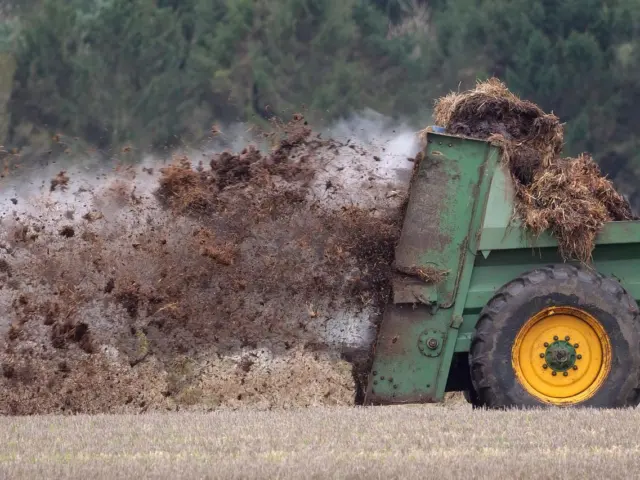
Buffers can also be managed to include trees and shrubs that produce a harvestable crop, although the center says this is less common. How manure is stored and applied on the farm is a separate question, covered in the guide to manure management.
Forest farming
The center defines forest farming as the cultivation of high-value crops under the protection of a managed tree canopy. It states that management is an essential part of forest farming, and that it is not just recreational harvesting or wild harvesting of native understory woodland plants without management. Shiitake and other mushrooms are among the crops the page names.
Soil, water and wildlife benefits
On soil, the center’s soil health page says that incorporating trees and shrubs into annual cropping systems increases root diversity that feeds the living organisms within the soil, and that perennial living cover helps protect the soil from wind and water erosion. It also states that agroforestry is not the only way to create and maintain healthy soil.
On water, the center’s water quality page says trees protect water quality by intercepting non-point source pollutants, stabilizing stream banks, decreasing the frequency and intensity of flooding, and preventing sediment from entering waterways. It adds that tree root systems improve the cycling of nutrients, especially nitrogen, and also trap phosphorus and sediments.
On wildlife, the center’s wildlife and pollinators page says most agroforestry practices can be intentionally designed to provide wildlife habitat, and that the types of wildlife that can benefit will vary with region, ecotype, and landowner preferences.
Income and organic production
Some practices are described as sources of income alongside their other functions. On the alley cropping page, the annual crops grown in alleys can provide short-term annual income until the trees are mature. On the silvopasture page, the annual grazing income helps cash flow the tree operation while the tree crop matures. Forest farming can provide shorter-term income while high-quality trees are being grown for wood or other tree products, according to the forest farming page.
The windbreaks page adds that some trees and shrubs can produce fruits, nuts, fuel, fodder or materials for crafts that can be sold or processed in order to diversify farm income.
The center also notes that organic producers may choose tree species that fix nitrogen in alley cropping, and that windbreaks can be specialized as field buffers for organic production. The rules for organic production itself are covered in the guide to usda organic certification.
Limits and planning considerations
The alley cropping page says that, like all agroforestry systems, alley cropping systems should be considered as part of the whole farm operation. The riparian forest buffer page adds that factors can affect how well buffers meet their objectives, including site conditions such as adjacent agricultural practices and crop types, stream size, topography, and soils, and landscape conditions such as position in the watershed, adjacent land use, and buffer continuity.
The riparian page also states that a wide variety of state and federal programs support the installation of riparian forest buffers on public and private lands. Programme details, eligibility and payment rules change over time, so current rules and availability are best confirmed with the local USDA service center or conservation district. This site does not administer any programme and gives no financial or legal advice.
Frequently asked questions
What is agroforestry in simple terms?
It means keeping trees as a managed part of a farm that also grows crops or raises animals, rather than separating the two.
What is silvopasture?
It is a design in which livestock graze among managed trees, either by adding forage to woodland or by planting trees into pasture.
How does alley cropping differ from monocropping?
Growing trees affect the light, water and nutrients reaching the crop between the rows, and the center points to these interactions as the difference from monocropping.
Can agroforestry replace other soil-health practices?
The center presents it as a complement, not a replacement: other practices can build healthy soil too, and the approaches can work alongside each other.