Sustainable farming practices are the methods that let farms keep producing food and fiber while protecting the soil, water, air and people they depend on. They range from living cover on fields to careful pest monitoring and trees mixed in with crops.
This guide is the starting point for the farming topic on this independent information site. Each section below points to a deeper article on one part of it, and the page is general information rather than advice for any particular farm.
What sustainable farming practices are meant to achieve
The Sustainable Agriculture Research and Education (SARE) programme offers a plain definition: sustainable agriculture involves producing enough food and fiber to satisfy today’s needs without compromising the ability of future generations to do the same. In SARE’s framing, the goals run in parallel: long-term profit, stewardship of land, air and water, and quality of life for farmers, farm employees and their communities. A practice that protects the soil but bankrupts the farm is not sustainable, and neither is the reverse.
Because farms differ so much in climate, soil, scale and market, there is no fixed recipe. SARE notes that farms and ranches everywhere are incredibly diverse, so the same practice can work well on one operation and poorly on the next. What the practices share is a systems view. The farm is treated as a set of connected parts, where choices about tillage affect water, water affects nutrients, and nutrients affect pests and yields.
SARE groups proven practices into areas such as soil health, ecological pest management, biological diversity, weather adaptation and innovative technologies. Under soil health it lists cover crops, reduced tillage, crop rotation, organic matter additions and management-intensive grazing. The sections that follow take those building blocks in turn and show how they fit together.
SARE also separates sustainability from any single technology. Its overview describes a sampling of practice areas, not a prescription, and stresses that a farmer typically views the operation as an integrated system, taking advantage of ecological processes that improve crop and livestock production. That is why a field that gains from one change, such as leaving residue on the surface, often needs another change alongside it, such as adjusted seeding equipment or a different weed plan. Practices reinforce each other when they are planned together and can undermine each other when they are added piecemeal.
Livestock fit into the same picture. SARE includes management-intensive grazing under soil health and notes that raising livestock in a pasture-based system can have a positive effect on local water quality. Grazing plans, paddock layout and rest periods are a topic of their own, and the same systems view applies: animals, pasture, water and soil are managed as a connected whole rather than as separate enterprises.
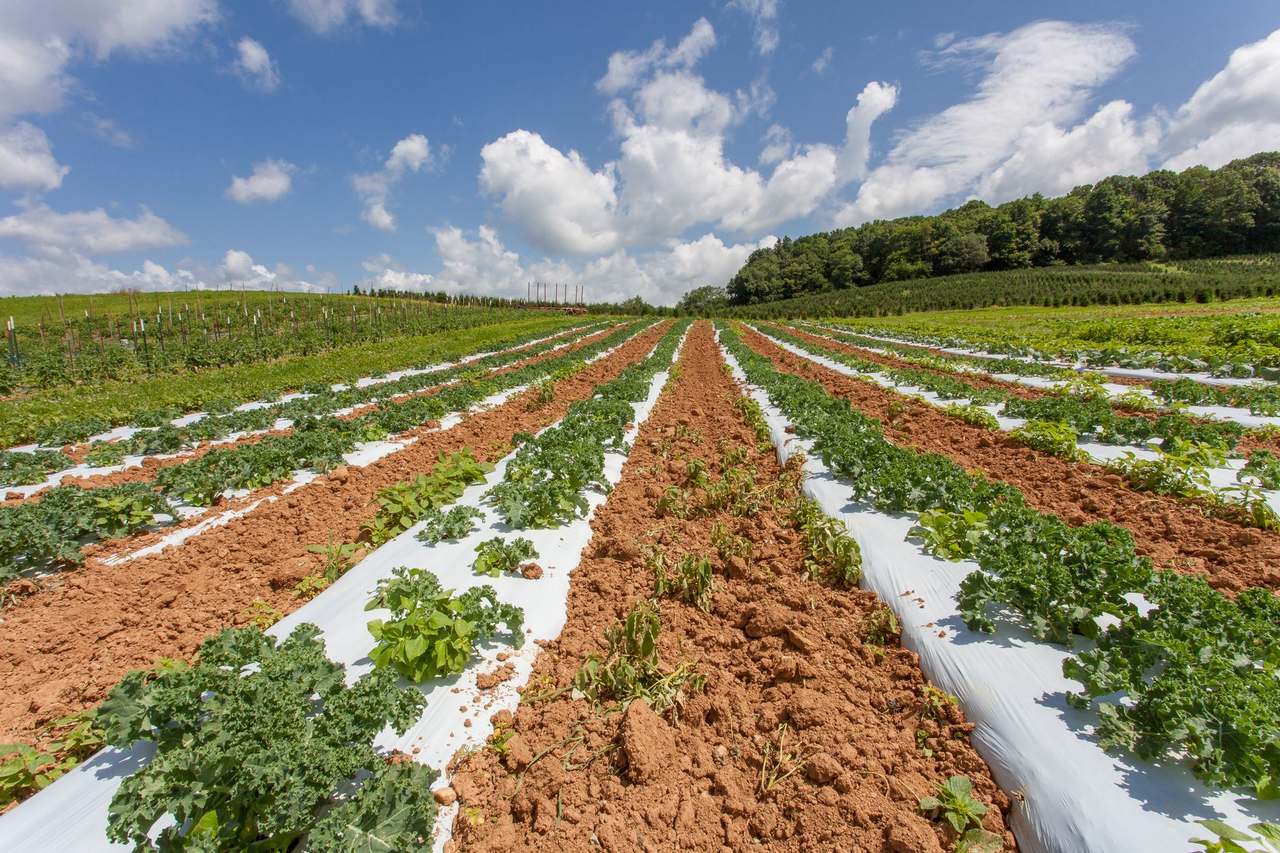
Building soil health with living cover, less tillage and varied crops
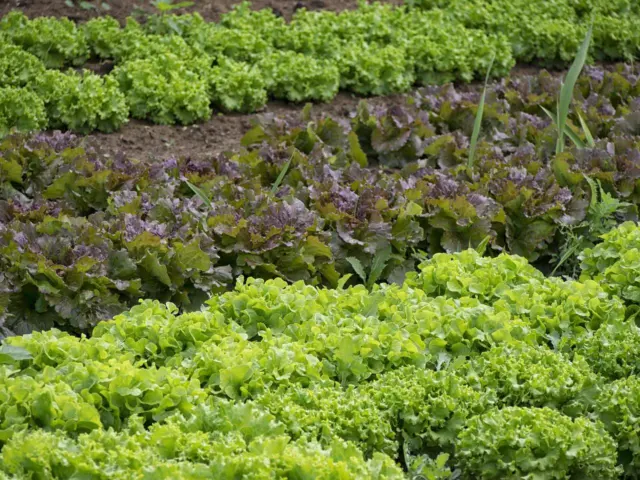
Most sustainable systems start below ground. Healthy soil holds water, cycles nutrients and resists erosion, and three practices do most of the work: keeping the soil covered, disturbing it less and varying what grows in it.
The Food and Agriculture Organization of the United Nations (FAO) packages these ideas as conservation agriculture, a system built on minimum mechanical soil disturbance, a permanent soil organic cover of at least 30 percent with crop residues or cover crops, and species diversification involving at least three different crops. Those thresholds are an international benchmark, and local programmes may set their own.
Planting cover crops is the most visible of the three. SARE defines a cover crop as a plant used primarily to slow erosion, improve soil health, enhance water availability, smother weeds and help control pests and diseases. The same SARE page reports that, according to a national cover crop survey, farmers can expect a 3% increase in their corn yield and a 4.9% increase in soybeans after five consecutive years of cover crop use. Species choice, seeding date and termination method all change the outcome, which is why the dedicated article on cover crops walks through species and fit.
Reducing tillage is the second practice. Turning soil over exposes it to wind and rain, burns through organic matter and breaks up the pore structure that water uses to move. No-till farming places seed directly into undisturbed ground and leaves residue on the surface. FAO describes the first principle of conservation agriculture as minimum mechanical soil disturbance achieved through direct seed or fertilizer placement. The practice has trade-offs, including weed management, residue handling and equipment needs, and these are covered in the no-till article.
Crop residue is what makes the idea work. Stubble and straw on the surface shield the soil from raindrops, slow evaporation and feed soil organisms as they break down. Farms that move toward reduced tillage often combine it with cover crops so that the ground stays covered between cash crops, which is the pattern FAO describes when it pairs minimal disturbance with permanent organic cover. The mix of tools varies by region, rainfall and crop, and local extension services publish regional guidance.
The third practice is diversity in time. A planned crop rotation alternates crop families so that pests and diseases specific to one crop lose their host, nutrient demands vary from season to season, and root systems of different depths work the soil. SARE lists crop rotation under both soil health and ecological pest management, a reminder that one practice often serves several goals. Rotations can be lengthened with legumes, small grains or forage, depending on the market and the climate.
Protecting water: nutrients, manure and runoff
Crops need nitrogen and phosphorus, and farms supply them as fertilizer and manure. The U.S. Environmental Protection Agency (EPA) explains the problem in simple terms: when nitrogen and phosphorus are not fully utilized by the growing plants, they can be lost from the farm fields and affect air and downstream water quality. Excess nutrients can wash into waterways during rain and snowmelt or leach through the soil toward groundwater.
The downstream effects are well documented. EPA states that high levels of nitrogen and phosphorus can cause eutrophication of water bodies, which can lead to low-oxygen “dead zones”, fish kills and harmful algal blooms. Nitrogen can also leave fields as gas: the same EPA page notes that nitrous oxide is a potent greenhouse gas and that ammonia can harm aquatic life when it settles into surface waters.
The agency lists several farm-level responses. The central one is nutrient management, applying fertilizer and manure in the right amount, at the right time of year, with the right method and in the right place. EPA says that applying fertilizers in the proper amount, at the right time and with the right method can significantly reduce how much fertilizer reaches water bodies. Other responses include year-round ground cover, conservation tillage, fencing livestock out of streams and planting field edges with trees, shrubs and grasses that filter runoff.
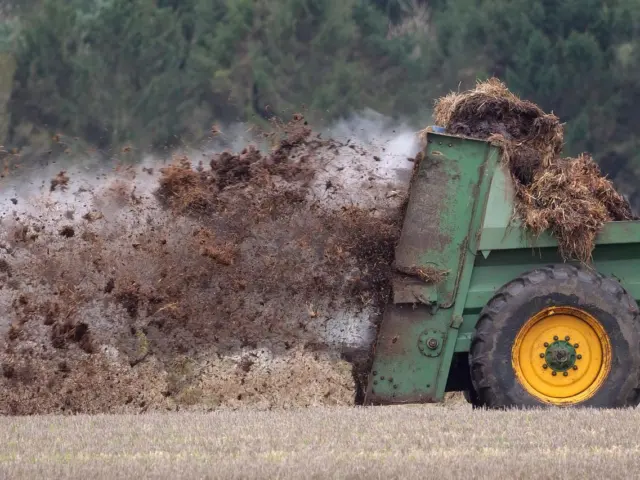
Livestock operations add a second nutrient stream. Manure is a valuable source of nitrogen, phosphorus and organic matter, but its value depends on storage, testing and timing of application. The article on manure management covers storage options, nutrient content and ways to keep manure out of surface and groundwater.
Drainage is another route for losses. EPA explains that subsurface tile drainage is an important practice for managing water movement on many soils, mostly in the Midwest, but that drainage water can carry soluble forms of nitrogen and phosphorus. Conservation drainage covers changes to system design and operation, woodchip bioreactors, saturated buffers and modifications to drainage ditches, all intended to cut nutrient loads while keeping fields workable. The agency also encourages watershed-scale collaboration among farmers, state governments, conservation groups and universities, because water quality is shaped by an entire catchment rather than a single field.
Managing pests with monitoring and thresholds
Pest control is another area where sustainability depends on method rather than a product. The EPA describes integrated pest management (IPM) as an approach that uses current, comprehensive information on the life cycles of pests and their interaction with the environment, combined with available control methods, to manage damage by the most economical means and with the least possible hazard to people, property and the environment.
EPA is explicit that IPM is not a recipe: it is a series of pest management evaluations, decisions and controls. In practice the sequence runs through setting action thresholds, monitoring and identifying pests, prevention, and finally control. An action threshold is the point at which pest populations or conditions indicate that control action must be taken, and the agency adds that sighting a single pest does not always mean control is needed.
Prevention comes first because it is usually cheapest and carries little risk. EPA names rotating between crops, selecting pest-resistant varieties and planting pest-free rootstock as examples. Where controls are needed, the agency says that effective, less risky options are chosen first, such as pheromones that disrupt mating or mechanical control like trapping and weeding, and that broadcast spraying of non-specific pesticides is a last resort.
IPM is not the same as organic production. EPA points out that organic production applies many of the same concepts but limits pesticides to those from natural sources, and that there is no national certification for growers using IPM. Anyone applying a pesticide should follow the product label and current official guidance. The article on integrated pest management goes through scouting, thresholds and control options for farms in more detail.
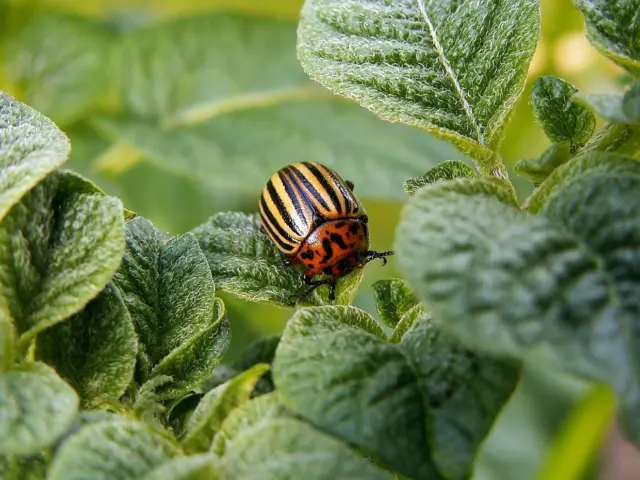
Scouting is the practical heart of the method. Crop scouts walk fields on a regular schedule, identify what they find and record how numbers change over time. EPA notes that not all insects, weeds, and other living organisms require control, because many are harmless and some are beneficial. Accurate identification removes the chance that a pesticide is used when it is not needed or that the wrong kind is chosen. Growers who build this habit can reduce unnecessary applications, protect beneficial insects and keep better records of what works.
Carbon in farm soils and the role of biochar
Soil is also a store of carbon, which links farming to climate. FAO observes that agricultural soils are among the planet’s largest reservoirs of carbon and that long-term conversion of grassland and forest to cropland caused historic losses of soil carbon. The same page says there is a major potential for increasing soil carbon through restoration of degraded soils and widespread adoption of soil conservation practices. The practices described above, such as cover crops, reduced tillage and added organic matter, are the usual routes.
Storing carbon in soil has limits, though. Gains depend on climate, soil type and continued management, and measuring them accurately is difficult. The article on soil carbon sequestration sets out the methods, the measurement problems and the reasons gains can be reversed if practices change.
Biochar is a related approach. The U.S. Department of Agriculture’s Agricultural Research Service (ARS) describes it as the name for the charred biomass created from wood, plant material, and manure that has been used to improve soil fertility. It is made by pyrolysis, heating biomass in the absence of oxygen, and ARS notes that because of structural differences, some biochars break down more quickly in soil than others.
Results in the field have been mixed, and the ARS account is careful about it. In its Iowa corn trials, no significant difference was observed in the 3-year average grain yield from hardwood biochar, while small-scale studies elsewhere showed that hardwood biochar could improve soil structure and the water-holding ability of sandy soils. ARS also stresses that biochar characteristics vary widely with feedstock, pyrolysis temperature and other factors. That variability is why biochar in agriculture is treated as a topic with real potential and real uncertainty, covering production methods, application rates and field results.
Carbon markets and incentive programmes sometimes sit in the background of these conversations. Any payment scheme, tax treatment or certification rule has its own eligibility terms, and those are set by the programme operator or the government, not by general articles such as this one. Farmers weighing an incentive can read the programme documents and speak with a local conservation office or extension adviser.
Trees, hedgerows and biodiversity on the farm
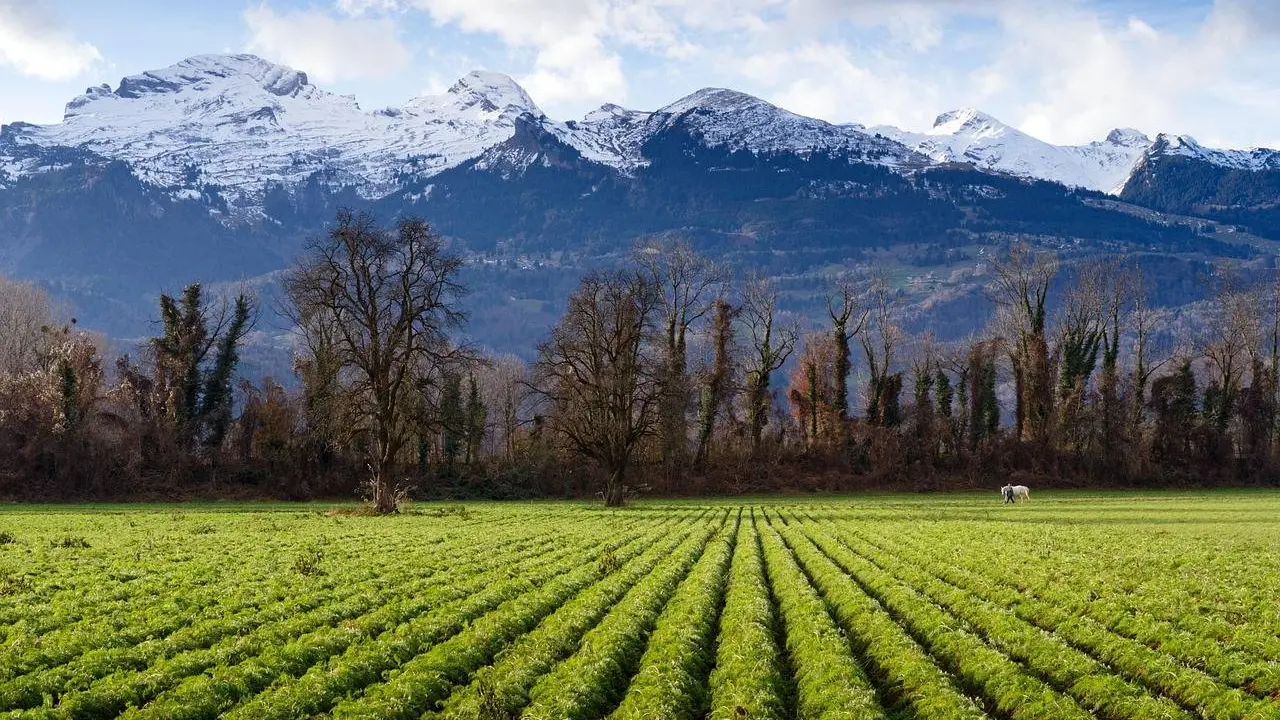
Sustainable systems are not limited to the cropped area. FAO describes agroforestry as founded on long-standing practices of integrating trees with crop and animal farming systems, with benefits that include improved soil health and water management and contributions to climate change mitigation and adaptation.
The scale is large. According to FAO’s key facts, agroforestry is estimated to be found on more than 43% of all agricultural land globally, and agroforestry systems can reach 50 to 80% of the biodiversity of natural forests. These are global estimates built on varied definitions, and local figures differ. Common forms include rows of trees between crops, shelterbelts that cut wind, wooded buffers along streams and pasture shaded by trees. The article on agroforestry describes the main systems and what they involve.
Biodiversity also has a practical side. SARE lists wildlife and pollinator habitat, riparian buffers, crop and livestock integration and mixed-species grazing under biological diversity. Each adds habitat or ecological function that reduces dependence on purchased inputs, and each competes for space and management time, so farms weigh them against their own constraints.
Planted buffers connect this section to the water discussion above. EPA says that farmers can plant trees, shrubs and grasses along the edges of fields, especially where a field borders a water body, because planted buffers can help prevent nutrient loss by absorbing or filtering nutrients before they reach the water. A single feature can therefore serve soil protection, water quality and habitat at the same time.
Organic certification, regenerative claims and farm energy
Several labels sit near sustainable farming without being identical to it. SARE explains that organic agriculture is one of the most common related terms, but it is distinctly different: organic falls under a USDA certification programme with clearly defined regulations, while sustainable agriculture has no single certification. Some certified organic farmers describe going beyond organic when they adopt sustainable practices outside the National Organic Program.
The National Organic Program (NOP) is described by USDA’s Agricultural Marketing Service as a federal regulatory program that develops and enforces consistent national standards for organically produced agricultural products sold in the United States. USDA also states that organic certification allows a farm or processing facility to sell, label, and represent their products as organic. Details on the application process, inspection and records are in the article on USDA organic certification, and standards and fees change, so the current rules are on the USDA site.
Regenerative agriculture is a newer term. SARE says it has become popular in recent years and, unlike organic, does not have a standardized definition. Proponents tend to emphasize biodiversity, perennials, livestock integration and soil health, with attention to sequestering carbon. Readers who meet the word on a label or a claim can ask what specific practices are involved.
Energy is the remaining piece. SARE counts alternative energy among the practices used for weather adaptation and innovative technologies. Farms generate residues, manure and other biomass that can feed bioenergy systems, a subject explored in the guide to algae biomass energy, which looks at how living matter becomes heat, power and fuel.
This site is independent. It is not affiliated with any certifier, company, product or government programme, it sells nothing, and nothing here is financial, tax, legal or agronomic advice for a specific farm.
Frequently asked questions
What counts as a sustainable farming practice?
Any method that helps a farm stay productive while protecting soil, water and the people involved. SARE gives cover crops, reduced tillage, crop rotation and organic matter additions as examples under soil health.
Is sustainable farming the same as organic farming?
No. Organic farming follows USDA regulations and certification, while sustainable agriculture is a broader approach without a single standard definition or certificate.
Do cover crops raise yields?
Survey data cited by SARE suggest modest gains over time, and results vary by crop, region and management. The cover crops article covers species and rotation fit.
Does integrated pest management mean no pesticides?
No. EPA says IPM takes advantage of all appropriate options, including the judicious use of pesticides, but it relies on monitoring and thresholds and treats broad spraying as a last resort.
Can farm soils store carbon?
Yes, within limits. FAO describes agricultural soils as among the largest carbon reservoirs on the planet, and practices that add or protect organic matter can raise stocks, although gains depend on continued management.