Integrated pest management on farms is a decision process: identify the pest, monitor it, compare what is found with an action threshold, and choose controls in order of risk.
The process sits within the wider set of sustainable farming practices. This guide covers scouting, thresholds, control options, resistance management and record keeping on commercial farms.
What integrated pest management involves
The US EPA explains that IPM is not a single pest control method but a series of pest management evaluations, decisions and controls. Growers who are aware of the potential for pest infestation follow a tiered approach, and the agency notes that sighting a single pest does not always mean control is needed.
The University of California’s statewide IPM programme sets out the components that, in its words, are common to all IPM programs. Among them are monitoring and assessing pest numbers and damage, guidelines for when management action is needed, preventing pest problems, and, after action is taken, assessing the effect of pest management, as described on its UC IPM overview page.
The EPA says IPM is best described as a continuum. In its view, many, if not most, agricultural growers identify their pests before spraying, and the goal is to move growers further along that continuum, as laid out in the EPA’s IPM principles.
Scouting fields and recording what is found
UC IPM says that monitoring means checking the field to identify which pests are present, how many there are, or what damage they have caused, and that correctly identifying the pest is key to knowing whether it is likely to become a problem, according to its IPM overview. Penn State Extension calls thorough and frequent scouting the cornerstone of a good integrated pest management programme in its vegetable scouting video.
The same Penn State video advises walking the field and looking at representative plants, with special attention to areas where problems are likely to start, such as wet areas or field edges. It recommends weekly scouting starting when the pest or disease is likely to be in the area, notes that different crops, pests and diseases require different scouting methods, and suggests a W-shaped walking pattern to see different parts of the field. A hand lens, a sweep net or a trap can help; the video says sweep nets work well on low-growing crops that can stand some battering, and that pheromone traps are pest specific.
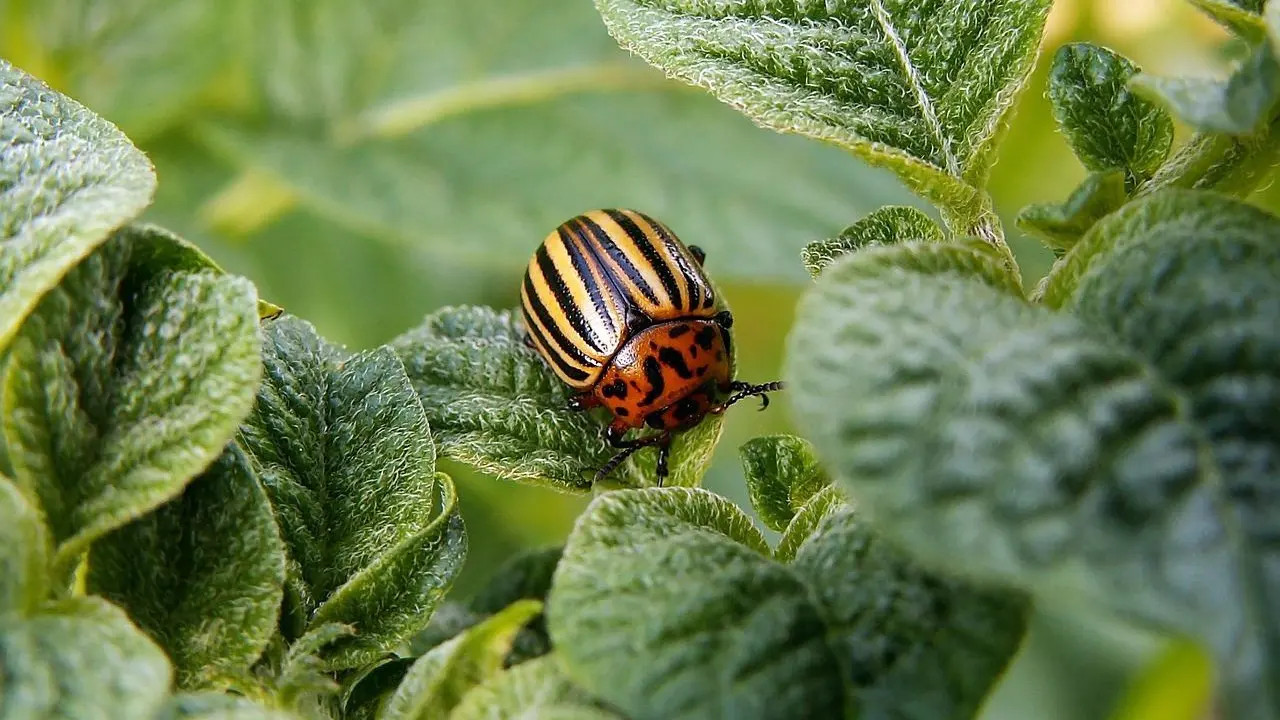
A Penn State guide to scouting plans for high tunnel vegetables adds that plant damage is often the first and easiest sign of a pest, because many pests are small and hidden in crevices. It also stresses learning to identify the different stages of an insect pest and of its natural enemies. That guide was written for high tunnels, so its details may not carry over to open fields.
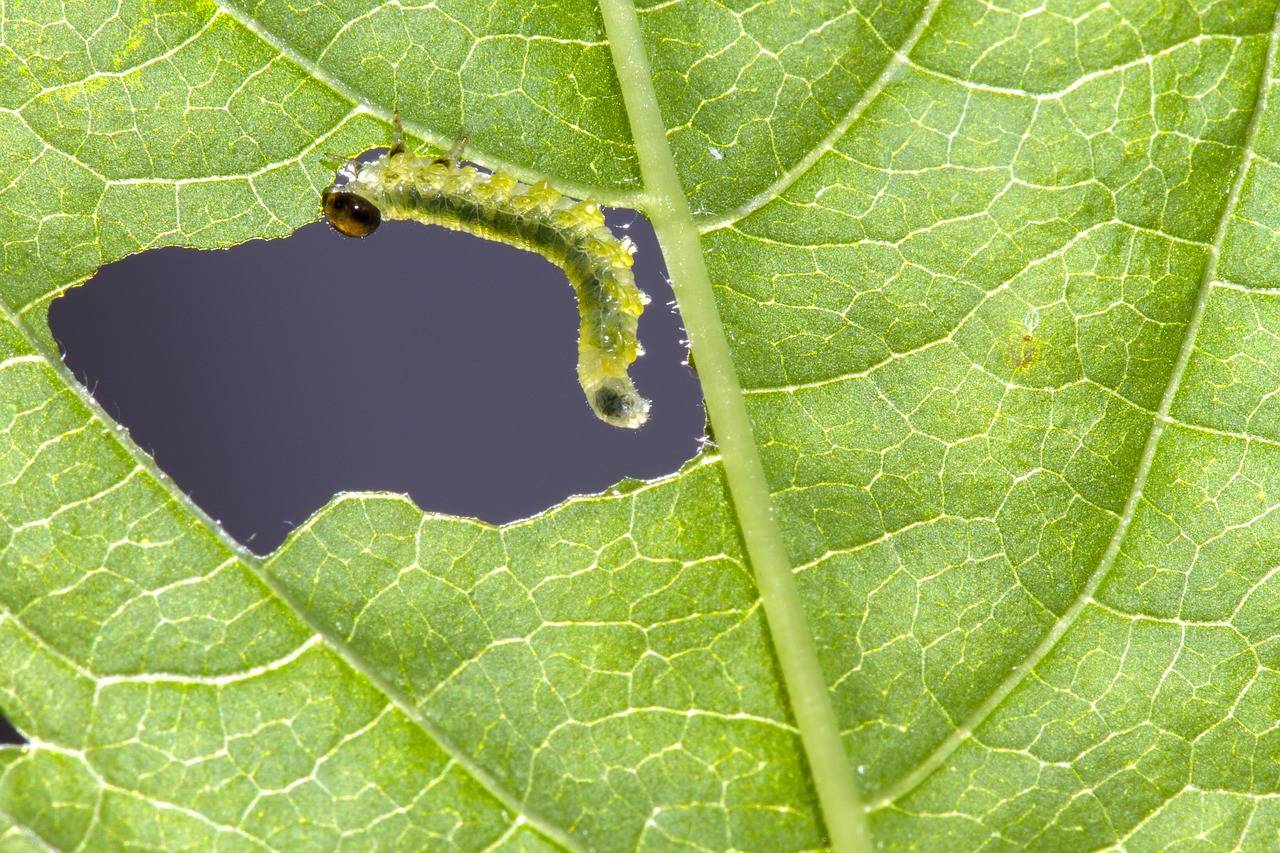
When does a pest justify treatment?
According to UC IPM’s guidance on action thresholds, the number of pests or level of damage beyond which management action should be taken is known as the action threshold, a fundamental concept in integrated pest management. When management action should be taken, that is, when a threshold is exceeded, is determined by the total cost of the action (including monitoring), the value of the crop and the impact on the environment. That page is part of the programme’s flower and nursery crop guidelines, so the examples come from that setting. Whether that point has been reached is a monitoring question: UC IPM’s overview says monitoring and correct pest identification help decide whether management is needed.
The same page says that, because crops are grown for profit, action thresholds are based largely on economics. The amount of pest presence that can be tolerated depends on the type of pest and damage, crop species and cultivar, stage of plant development, time until harvest or sale, and market conditions. It adds that thresholds can often be higher where highly effective or quick-acting methods are available, and may be relatively low where controls are slow-acting or only partially effective, or where the crop is of exceptionally high value.
The EPA says in its IPM principles that the level at which pests will become an economic threat is critical to guide future pest control decisions.
Penn State’s vegetable scouting video gives a worked example. It says onion thrips can cause up to 60% losses and gives a treatment threshold of 1 thrip per leaf when using insecticides, with a different threshold stated for one named product. Because thresholds depend on pest, crop and region, the figure is an illustration of the idea and not a general rule.
UC IPM notes that specific thresholds may be developed over the long term by growers who regularly monitor crops, keep good records, and evaluate and summarize outcomes for comparison over time, and that few thresholds have been established for flower and nursery crops, in part because of limited research, as described in its threshold guidance. The Penn State high tunnel guide also observes that a grower’s action threshold for using natural enemies may be lower than for insecticides, as it explains in its scouting plan article.
Prevention first, then controls in order of risk
The EPA lists prevention as the first line of pest control. In an agricultural crop, it says, this can mean cultural methods such as rotating between different crops, selecting pest-resistant varieties and planting pest-free rootstock, according to its IPM principles page. For how rotation sequences are planned, see the guide to crop rotation.
UC IPM describes approaches to managing pests that are often grouped in the following categories, as shown on its IPM overview:
- Biological control is the use of natural enemies.
- Cultural controls include changing irrigation practices, since too much water can increase root disease and weeds.
- Mechanical and physical controls kill a pest directly, block pests out, or make the environment unsuitable for it. Examples are mulches for weed management, steam sterilization of the soil for disease management, and screens that keep birds or insects out.
- Chemical control is the use of pesticides, which in IPM are used only when needed and in combination with other approaches.
When monitoring and thresholds show that control is required, the EPA says effective, less risky controls are chosen first, such as pheromones to disrupt pest mating, or trapping or weeding. If further monitoring, identifications and action thresholds indicate that the less risky controls are not working, additional pest control methods such as targeted spraying of pesticides would be employed. Broadcast spraying of non-specific pesticides is a last resort, per the EPA’s IPM principles.
UC IPM says pesticides in an IPM programme are selected and applied in a way that minimizes their possible harm to people, nontarget organisms and the environment. The EPA’s introduction to pesticide labels states that pesticide labels are legally enforceable and carry the statement that it is a violation of Federal law to use a product in a manner inconsistent with its labeling. It describes the label as translating the agency’s evaluation into conditions, directions and precautions that define who may use a pesticide, and where, how, how much and how often it may be used. The EPA lists pesticide users reading and following the label directions among the ways label requirements manage risk.
On the worker side, the EPA’s Agricultural Worker Protection Standard page says employers of workers covered by the standard are required to keep workers and other people out of the treated field and application exclusion zones during applications, implement restricted-entry intervals, implement protections for early entry by workers (including access to labeling information, specific information on early entry tasks and required early entry personal protective equipment), and notify workers about applications and pesticide-treated areas and not to enter during the restricted-entry interval, by providing oral warnings or posting warning signs. Current rules and each product’s label should be checked directly with the official sources.
Managing pesticide resistance
The EPA describes resistance as a significant decrease in sensitivity to a pesticide, which reduces the field performance of these pesticides, on its page about slowing and combating pest resistance. Its separate resistance guidance announcement adds that resistance has become a major economic factor in crop production and has resulted in losses to growers.
The general recommendation on the first EPA page is to alternate or tank-mix pesticides of different chemistry and modes of action. The agency also notes that there are some cases where even this strategy has resulted in resistance to both pesticide groups, and says the best way to avoid resistance is to use IPM strategies to prevent the increase in resistant pest types. Its examples include:
- Rotating crops to reduce the use of the same pesticides season after season.
- Reducing nutrient sources such as plant stubble that can harbor pathogens and insects.
- If available, using scientifically verified methods to sample pest populations and correlate them to economic estimates of crop damage before applying pesticides.
- Timing chemical applications when the pest is most susceptible.
- Scouting before and after pesticide application to correctly identify the pest and to determine if the application provided effective control.
UC IPM adds that pesticides are sometimes applied on a calendar schedule, when pest presence is only suspected, or when pest numbers are already high and difficult to control, and that less frequent applications help maintain pesticide efficacy by reducing the development of pesticide resistance, per its threshold guidance for nursery crops. Product labels may also carry resistance management information; the EPA says its labeling updates are aimed at improving information about how pesticide users can minimize and manage pest resistance.
Keeping scouting and treatment records
The Penn State high tunnel guide says record keeping is strongly recommended to keep track of when pest outbreaks occur, when pests are attacked by natural enemies, and to assess the effectiveness of a treatment, as set out in its scouting plan article. It describes scouting forms that include the scouting date, crop information, number of plants to inspect, pest type and number, natural enemy type and number, and a plant damage rating, and says such forms should be a starting point to adapt to the operation. Other suggested records are maps with the types and cultivars of plants grown and the IPM strategies used.
The same article says every employee who works with the crop over the growing season should become familiar with key pests and their natural enemies so they can share information with the manager. UC IPM links records to thresholds: growers who regularly monitor, keep good records and compare outcomes over time can develop specific management guidelines, according to its action threshold page.
Where the Worker Protection Standard applies, the EPA lists a duty to provide workers and handlers with access to specific information at a central location during normal work hours, including pesticide applications on the establishment. Pest records are one part of farm record keeping; nutrient sources are covered in the guide to manure management.
Frequently asked questions
What is an action threshold?
The EPA defines it as the point at which pest populations or environmental conditions indicate that pest control action must be taken, per its IPM principles.
Does integrated pest management mean no pesticides?
No. The EPA says IPM takes advantage of all appropriate pest management options including, but not limited to, the judicious use of pesticides.
Is there a national certification for IPM?
The EPA states that there is no national certification for growers using IPM, as the United States Department of Agriculture has developed for organic foods, and adds that it is impossible to use one IPM definition for all foods and all areas of the country. It also says that many individual commodity growers, for crops such as potatoes and strawberries, are working to define what IPM means for their crop and region, and that IPM-labeled foods are available in limited areas, per its IPM principles page.
How often should a crop be scouted?
The Penn State high tunnel guide suggests that growers starting out might scout each tunnel weekly, and that more frequent scouting should be conducted when transplants are set or when seedlings emerge, as noted in its scouting plan article. Its advice was written for high tunnels.