Cover crops are crops planted for a primary purpose other than harvest, often grown between cash crops. Which species works best depends on the farm’s goals, the planting window and how the cover will be terminated.
They are one of the soil-protecting techniques described in the wider guide to sustainable farming practices, and this page looks at species choice, rotation fit and termination in more detail.
What cover crops are and why they are grown
The University of Maryland Extension describes cover crops as crops planted for a primary purpose other than harvest, often grown during the off-season when the cash crop is not growing. In mid-Atlantic grain rotations, it notes, cover crops are often planted in the fall and terminated in the spring, although other timing windows exist.
The same publication lists several potential goals, including preventing soil erosion, scavenging nutrients and preventing leaching, building soil organic matter, alleviating compaction, encouraging beneficial insects or pollinators, adding nitrogen and controlling weeds. A cover crop is often grown with a specific goal in mind, and the goal shapes the choice of species.
A SARE chapter on cover crop benefits says the benefits vary by location and season, but at least two or three usually occur with any cover crop. That chapter belongs to the SARE handbook Managing Cover Crops Profitably, a 2007 publication, so its yield and cost examples describe older studies and should be read as background rather than current figures.
Grasses, brassicas and legumes
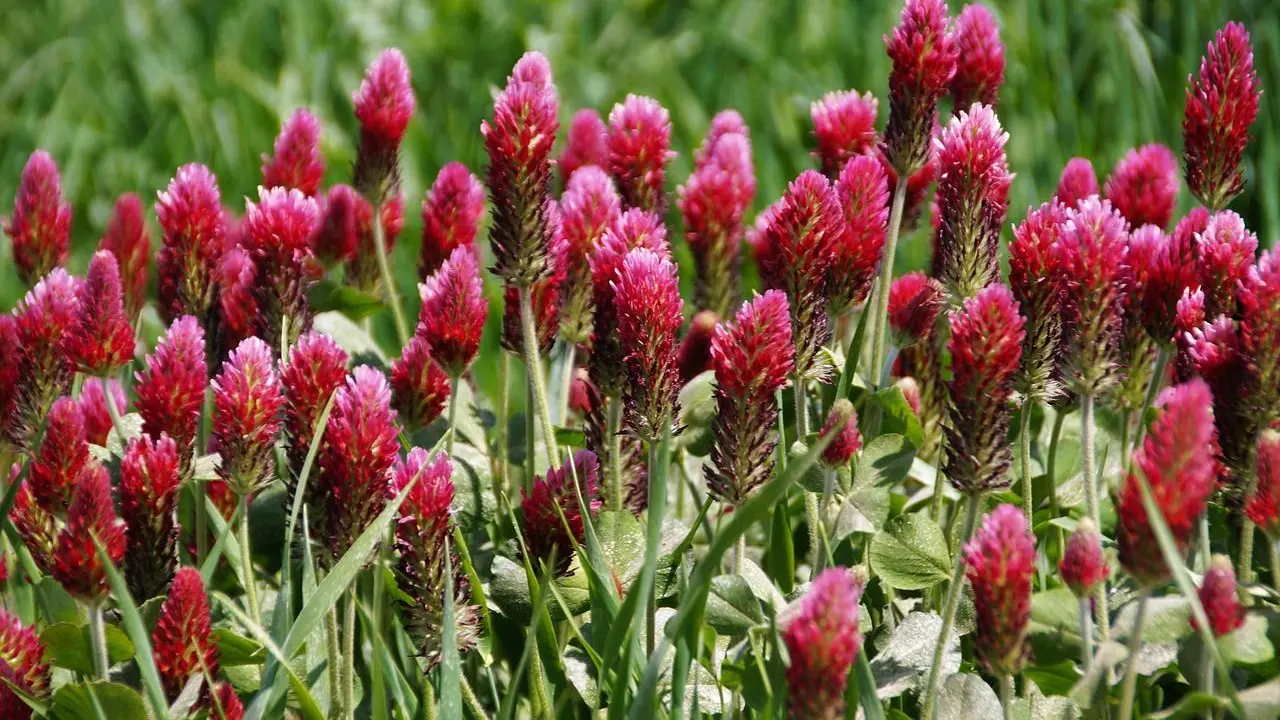
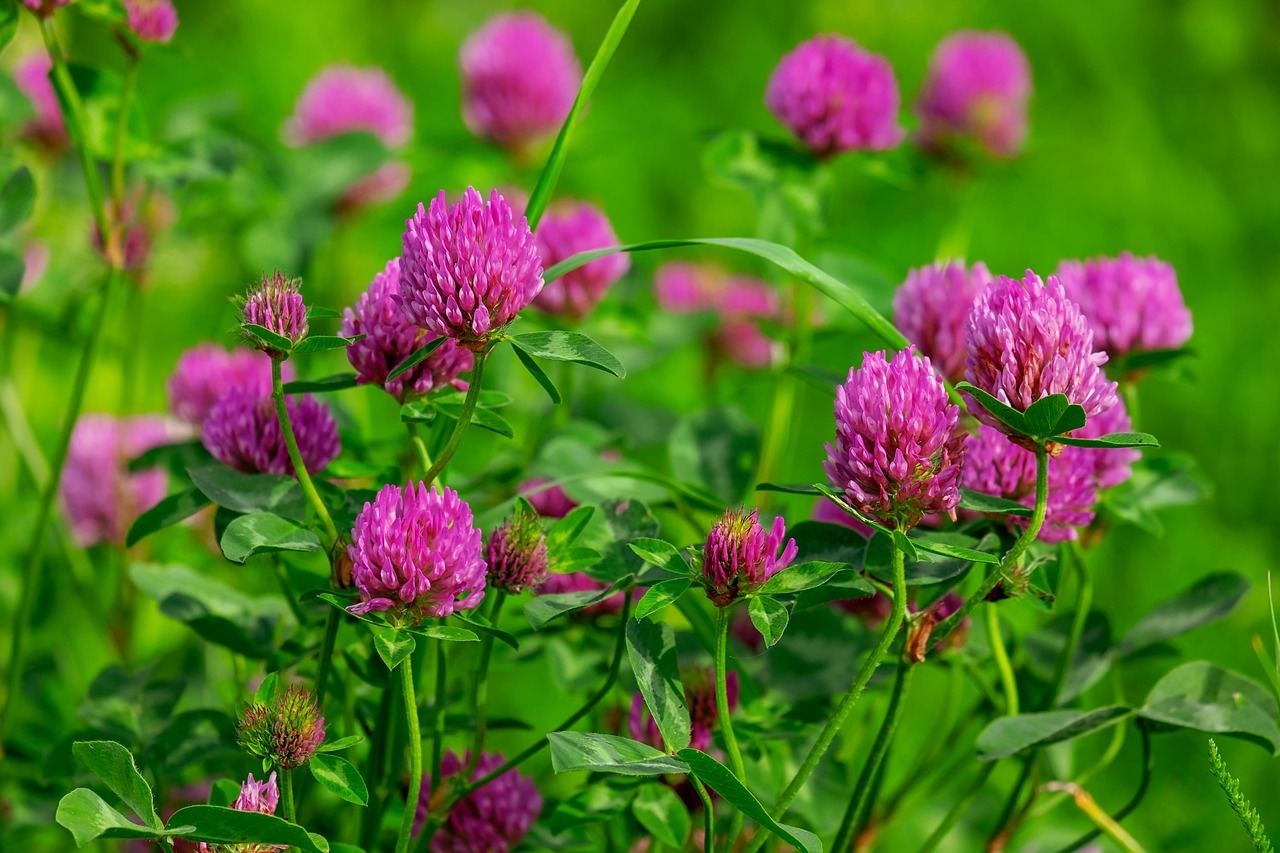
Extension specialists at the University of Maryland say cover crops are often categorized into three functional groups: grasses, brassicas and legumes. Popular grasses include wheat, rye, triticale, oat and barley. Popular brassicas include forage radish, rapeseed, mustard and turnip. Popular legumes include crimson, red and white clover, Austrian winter pea and vetch. The publication adds that many other plant species can serve as cover crops if they are planted for a primary purpose other than harvest.
Each group tends to serve a different purpose. The SARE chapter reports that legume cover crops convert nitrogen gas in the atmosphere into soil nitrogen that plants can use, and that fibrous-rooted cereal grains or grasses are particularly good at scavenging excess nutrients, especially nitrogen left in the soil after cash crop harvest.
Mixtures or a single species
The Maryland publication gives a rule of thumb: a mixed-species cover crop that includes several functional groups provides advantages compared with a monoculture. It then adds that there are exceptions, especially when a very specific purpose is being targeted. Its example is a monoculture of cereal rye terminated late in spring and rolled down, which is likely to be the best option for producing a thick, weed-suppressing mulch ahead of no-till soybeans in a field infested with small-seeded annual weeds such as pigweed.
That guidance comes from a mid-Atlantic grain context. The same publication says the best cover crop in any situation depends on the goals to be achieved, on the cover cropping windows in the cash crop rotation and on management and equipment factors.
Matching species to the planting window
Even with comparable species, planting date can change the outcome. The Maryland publication compares two cover crops on Maryland farms, from plots planted in 2014. By mid-November, the cover crop planted a month later took up 3 pounds of nitrogen per acre, while the earlier-planted one took up 45 pounds of nitrogen per acre. The publication uses the pair to show why the management of a cover crop largely determines the benefits it offers.
The same source gives region-specific examples. Winter-killed species such as forage radish are typically not worth planting after mid-September in much of the mid-Atlantic region, whereas cereal rye is a grass that can still perform well with late fall plantings. Where nitrogen fixation is the goal, fall-seeded legumes need a long enough growing period in the spring to accumulate biomass. Seeding dates and species lists differ from state to state, so local extension recommendations take precedence over any single regional example.
On legume nitrogen, the older SARE chapter states that crops grown in fields after legumes can take up at least 30 to 60 percent of the N that the legume produced, a figure drawn from older studies.
Fitting cover crops into a rotation
Cover cropping also serves as a way to practice crop rotation, according to the University of Maryland Extension. Where market, labor or equipment limits leave little room to rotate cash crops, the publication says, diverse cover crops can provide similar benefits. In vegetable systems, a cover crop may fit in a mid-summer window between colder-season cash crops.
What the cover leaves behind affects the next crop. If cover crops are left on the soil surface after termination, they provide a surface mulch, and a thick mulch may be difficult to seed into depending on the planting equipment available. Late-terminated cover crops may also harbor pests such as slugs, although the publication notes this can be beneficial if the slugs feed on the cover crop rather than the cash crop. Readers weighing how residue interacts with tillage choices can find related background in the guide to no-till farming.
Residue chemistry matters too. The Maryland publication explains that higher carbon-to-nitrogen ratios result in slower plant-available nitrogen, and lower ratios in quicker plant-available nitrogen, with both species and growth stage at termination influencing the ratio. Residue can also become the raw material for something else: Penn State Extension describes biochar as a stable, carbon-rich material produced by heating organic biomass in a low-oxygen environment, names crop residues among its feedstocks and says biochar often has properties that make it a beneficial soil amendment for agriculture. The guide to biochar in agriculture covers that material in more depth.
Terminating a cover crop
A termination plan should come before planting. The Maryland publication says cover crops should not be grown if they cannot be effectively terminated, because they can become a weed in subsequent crops. It says chemical termination with herbicide allows the most flexibility in timing, and that rolling with a roller crimper is more likely to give a complete kill the longer the cover matures, although waiting too long can produce viable seed and a future weed problem. For species that winter-kill, it advises having a back-up plan in case of a mild winter.
NC State Extension’s termination guide lists herbicide, roller crimping, tillage, mowing and winter kill as methods. It says farmers should consult labels and local licensed experts so that the proper herbicides and rates are applied, and that winter kill should not be considered a reliable termination method in North Carolina because of warmer temperatures.
Timing involves trade-offs. According to the same NC State guide, decisions on termination time should be based on the specific location, the specific context and the objectives for growing cover crops. If low soil moisture is a concern, it is generally recommended to terminate at least two weeks before planting the following cash crop, and if pest transfer is a concern, growers should consider terminating 3 to 4 weeks before planting. In general, the earlier a cover crop is terminated, the less risk but also the less reward.
Iowa State University Extension, in a 2026 planning article, recommends that beginning cover croppers terminate cover crops 10 to 14 days before planting, which it describes as especially important before corn. It adds that soybeans are more forgiving when planted into green cover crops, with termination recommended at or immediately after planting. These timings are an Iowa State recommendation and not a universal rule.
Frequently asked questions
Are cover crops grown for harvest?
Not as a rule. They are planted for another primary purpose, such as protecting or improving soil, although the SARE chapter notes that many cover crops offer harvest possibilities as forage, grazing or seed.
Is there one best cover crop species?
No single species fits every farm. The choice depends on the goal, the window between cash crops, the local climate and the equipment on hand, so regional extension recommendations are the better guide than a general list.
Do cover crops always cut fertilizer needs?
Not necessarily. Legumes can supply nitrogen and grasses can capture leftover nitrogen, but results vary by species, location and season, and a grass residue can temporarily tie up nitrogen during decomposition.
When should a cover crop be terminated?
Timing depends on the following crop, soil moisture, pest risk and planting equipment. Local extension guidance and the label of any herbicide used set the practical details.