Biomass combined heat and power burns or gasifies biomass such as wood residues to make electricity, then captures the heat that is left over for buildings or industrial processes instead of letting it escape.
The wider picture of how living matter becomes heat, power and fuel sits in the guide to algae biomass energy, and this page narrows to the combined-heat-and-power route: how it works, how its efficiency is measured and where it is typically used.
What combined heat and power means
The US Department of Energy describes combined heat and power (CHP), also known as cogeneration, as the concurrent production of electricity or mechanical power and useful thermal energy, meaning heating or cooling, from a single source of energy. It adds that CHP is a type of distributed generation that is located at or near the point of consumption, and that it lets heat which would normally be lost in power generation be recovered to provide heating or cooling.
Biomass is simply one of the fuels such a system can run on. The US Environmental Protection Agency (EPA) notes on its CHP technologies page that CHP systems can incorporate renewable fuels in the form of biomass and biogas, and that they sometimes need additional equipment to process or refine these fuels.
EPA’s Biomass Combined Heat and Power Catalog of Technologies, published in September 2007, states that biomass fuels are typically used most efficiently and beneficially when generating both power and heat through CHP. The catalog dates from 2007, so figures taken from it are labelled as such below.
How a biomass CHP system works
The most common route is direct combustion. The Department of Energy’s biopower overview says that most electricity generated from biomass is produced by direct combustion, with the biomass burned in a boiler to produce high-pressure steam. The same page describes co-firing as a process in existing power plant furnaces that combusts two different types of materials at the same time.
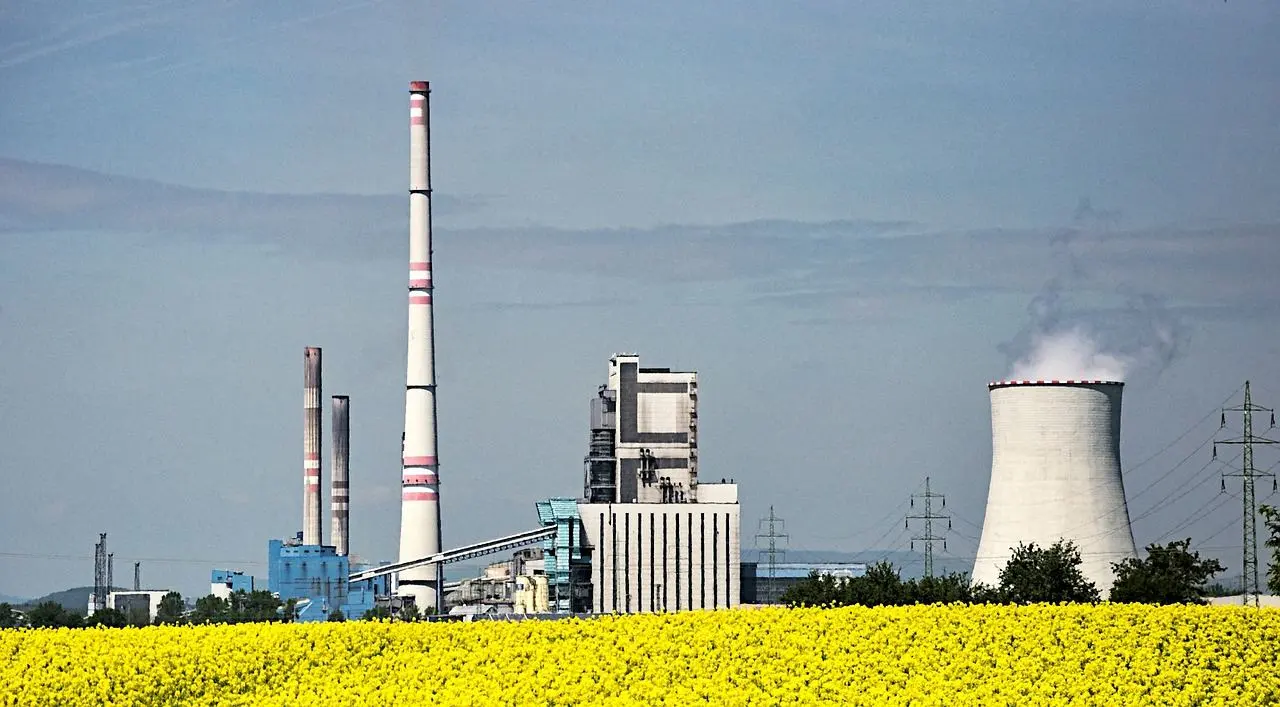
In the steam-boiler configuration that EPA describes, the process begins by producing steam in a boiler, the steam turns a turbine that runs a generator, and the steam leaving the turbine can be used to produce useful thermal energy. EPA adds that these systems can use a variety of fuels, including biomass. A second common configuration burns fuel, which EPA lists as natural gas, oil or biogas, in a combustion turbine or reciprocating engine and uses heat recovery devices to capture heat from the turbine or engine.
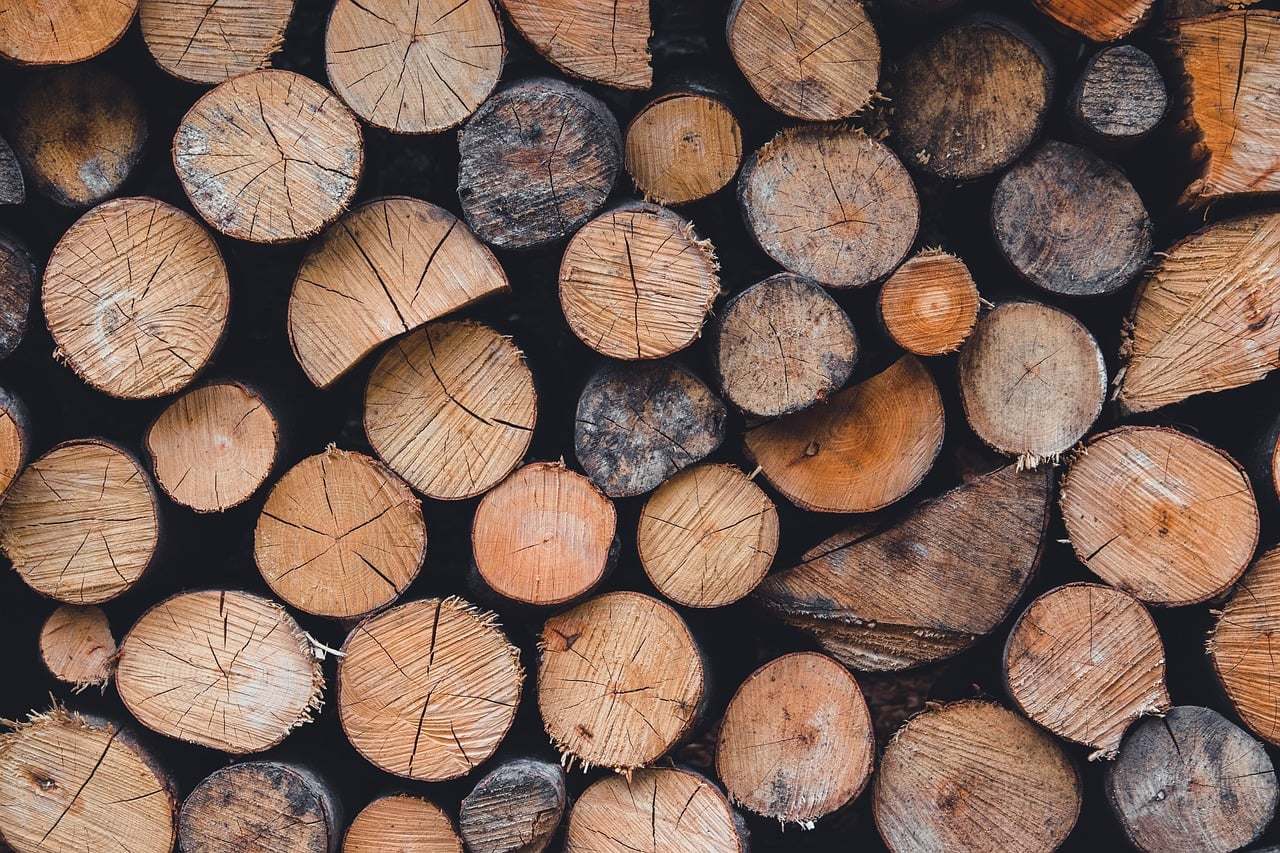
The EPA catalog names the direct-fired boiler technologies that have been used for decades for converting woody biomass: fixed bed boilers, fluidized bed boilers and cofiring applications.
Biomass does not have to be burned as a solid. The Department of Energy explains that gasification exposes solid biomass to high temperatures with very little oxygen present, producing synthesis gas that can then be burned in a conventional boiler to produce electricity. The same page describes organic waste, such as animal dung or human sewage, collected in oxygen-free tanks called digesters, where anaerobic bacteria produce methane and other byproducts that form a renewable natural gas, which can be purified and used to generate electricity. The trade-offs of the thermal routes are covered in the comparison of biomass gasification and pyrolysis.
Efficiency: what the numbers mean
On efficiency, the Department of Energy states that CHP applications can operate at about 75% efficiency, compared with a national average of about 50% for the same services when electricity and heat are provided separately.
EPA’s CHP benefits page explains the yardstick. The efficiency numbers EPA cites are total system efficiency, which is the total electricity and useful thermal energy output of the system divided by the fuel used to produce them. By recovering and using heat from on-site electricity production, CHP systems typically achieve total system efficiencies of 65 to 80 percent, and some systems achieve efficiencies approaching 90 percent. The same page gives efficiencies for the most commonly installed prime movers, the engines or turbines that drive the generator: reciprocating engines at 75 to 80 percent, combustion turbines at 65 to 70 percent and steam turbines at 80 percent. These figures describe CHP technology in general rather than biomass alone.
A single percentage hides a trade-off. EPA’s page on calculating CHP efficiency points out that total system efficiency does not differentiate between the value of the electric output and the thermal output, even though electricity is considered a more valuable form of energy because of its unique properties. For that reason EPA describes a second measure, effective electric efficiency, which compares the electricity a CHP system produces with electricity from power plants.
Where biomass CHP is typically used
Industry is a major user of biomass CHP. The 2007 EPA catalog reports that the industrial sector produces both steam or hot water and electricity from biomass in CHP facilities in the paper, chemical, wood products and food-processing industries. It also reported that the forest products industry, the biggest industrial user of bioenergy, consumed 85 percent of all wood waste used for energy in the United States, and that more than 60 percent of biomass-powered electricity generation in the country at that time was in the form of CHP. The 2007 catalog added that most of the electricity, heat and steam produced by industrial facilities was consumed on site, although some manufacturers that produced more electricity than they needed sold the excess to the grid.
Beyond factories, EPA’s overview of CHP applications lists institutions such as colleges and universities, hospitals, prisons and military bases, and municipal uses such as district energy systems and wastewater treatment facilities. These are uses of CHP in general, and biomass is one possible fuel among several. EPA says CHP is best suited to facilities that have year-round coincident power and thermal loads, meaning that electricity and heat are both needed at the same time throughout the year, and that the technology has been used for more than 100 years.
Buildings that need only heat, with no electricity generation, are a different case and are covered in the guide to biomass heating.
Fuel supply and environmental claims
The EPA catalog says the success of any biomass-fueled CHP project is heavily dependent on the availability of a suitable biomass feedstock. It lists rural resources, namely forest residues and wood wastes, crop residues, energy crops and manure biogas, and urban resources, namely urban wood waste, wastewater treatment biogas, municipal solid waste with landfill gas, and food processing residue. Different feedstocks need different approaches to collection, storage and transportation, and different conversion and generation technology.
The catalog says the benefits of using biomass instead of fossil fuels depend on the intended use and fuel source, but often include greenhouse gas and other air pollutant reductions, energy cost savings, local economic development, waste reduction and the security of a domestic fuel supply. Its foreword also states that this version deletes references to the CO2 benefits of combusting biomass pending a final EPA determination on how to evaluate CO2 emissions from the combustion of biomass. Readers weighing emissions claims for a specific plant should look for the fuel source and the method used to count the carbon dioxide.
Costs, policy and site fit
EPA’s benefits page states that the economics of any CHP project depend on electricity rates, system design, equipment cost and operating practices. On its policies and incentives page, EPA describes CHP systems as capital-intensive investments that face market and regulatory barriers which have historically limited their deployment, and says the federal government and some state and local governments have introduced policies and incentives designed to overcome those barriers. Programme details change over time, so the current rules are the ones set out on that agency page.
Whether a particular site suits CHP is a technical and economic question. EPA says site-specific factors include operational hours, thermal energy requirements, and utility rates for electricity and gas. This page gives general information only and does not recommend any system or provide installation or financial advice.
Frequently asked questions
Is biomass combined heat and power the same as cogeneration?
Yes. The Department of Energy lists cogeneration as another name for CHP, and biomass is one of the fuels such a system can use.
What decides how efficient a CHP system is?
EPA states that a CHP system’s efficiency depends on the technology used and the system design, so figures from one plant do not automatically apply to another.
Which fuels can a CHP system use?
According to EPA, a CHP system can be configured to operate on a variety of fuel types, such as natural gas, biogas, coal and biomass, so a facility could build in fuel switching capabilities.
How does CHP differ from a system that only makes heat?
CHP produces electricity and useful thermal energy from the same fuel, whereas a heat-only boiler supplies thermal energy alone.