Algae biomass energy is the use of living matter, from algae to wood, crop residues and waste, as a renewable source of heat, electricity and fuel, because the energy stored by photosynthesis can be released by burning, heating or fermenting it.
This guide is the starting point for the topic on this independent information site, and each section points to a deeper article on one part of it.
What biomass energy means
Plants, algae and some bacteria capture energy from sunlight and store it in chemical form. Animals eat plants, and everything that lives eventually leaves behind residues, from straw and sawdust to manure and food scraps. All of that material is called biomass, and it can be turned back into usable energy.
The U.S. Energy Information Administration describes biomass as renewable organic material that comes from plants and animals, and it notes that biomass can be burned directly for heat or converted to liquid and gaseous fuels through various processes. In its latest annual figures the agency puts biomass at about 5% of total primary energy consumption in the United States, so it is a meaningful contributor rather than a niche curiosity.
The Department of Energy takes a similar view. Its bioenergy overview explains that bioenergy is derived from recently living organic materials and that it can supply transportation fuels, heat, electricity and products. The word recently matters. Fossil fuels are also made from ancient living matter, but the carbon in them was locked away for ages, while biomass holds carbon that was in the air only a short time ago.
Algae sit at the edge of this field. They are not a crop in the usual sense, and they are not a waste. They are simple aquatic organisms that grow in water, and the Department of Energy lists microalgae among the materials counted as biomass for energy. That makes them an interesting research topic, even though most of the biomass energy used today still comes from wood, waste and conventional crops.
Where biomass energy comes from
Biomass feedstocks fall into a few broad families, and the family matters because it decides which conversion method makes sense.
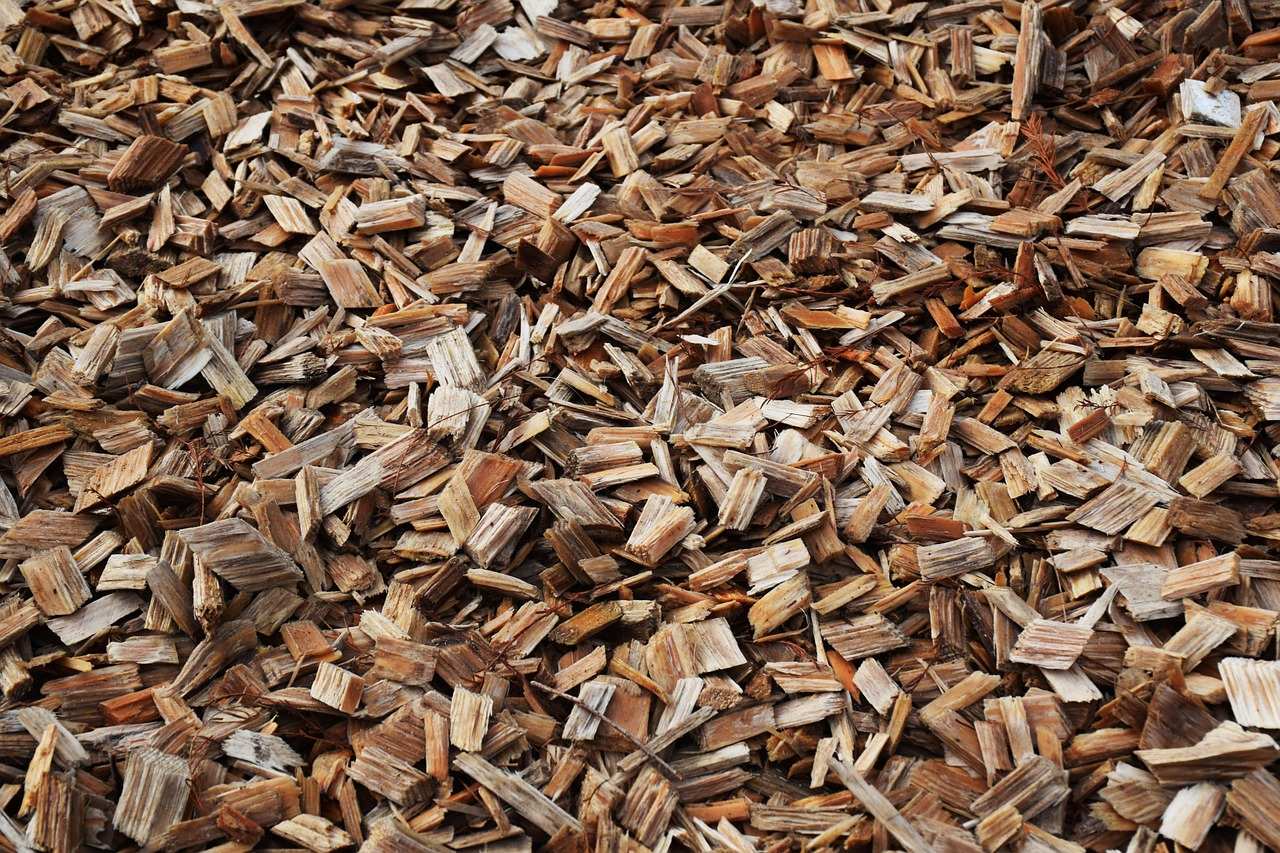
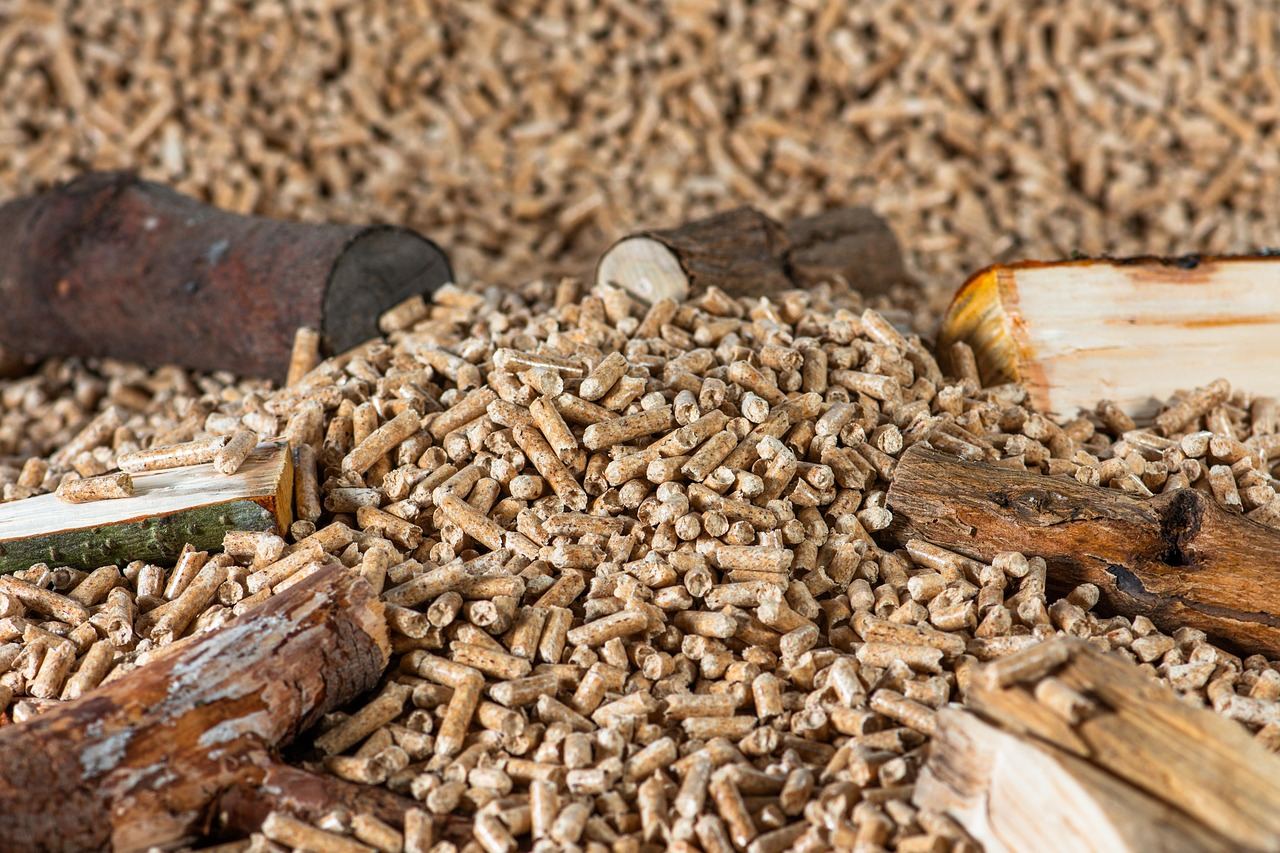
- Wood and wood processing waste. Firewood, wood pellets and chips, sawdust from mills, and the liquor left over from pulp and paper production.
- Agricultural crops and residues. Corn, soybeans, sugar cane, switchgrass, crop leftovers such as stalks, food processing residues and algae.
- Biogenic material in municipal waste. Paper, cardboard, food scraps, yard trimmings and wood in the household waste stream.
- Manure and sewage. Material from livestock operations and treatment plants that can be turned into biogas.
The same grouping appears in the federal energy statistics agency’s biomass overview, which also reports how the energy is split by source. In its latest annual data, biofuels made up about 53% of the biomass energy used in the United States, wood and wood waste about 39%, and municipal solid waste, manure and sewage about 8%. Biofuels lead in that tally because transport fuels such as ethanol are produced at very large scale.
The Department of Energy’s feedstock programme uses a slightly different list that is useful for planning. It names agricultural residues, algae, dedicated energy crops, forestry residues and waste streams as the main reusable carbon sources for bioenergy. Dedicated energy crops include perennial grasses and fast-growing trees, which are grown for their biomass rather than for food.
A constraint that shapes the whole field is that biomass is bulky, wet and spread out. Moving straw or wood chips long distances costs energy and money, so many successful projects sit close to where the material is produced: a sawmill running its own boiler, a dairy farm digesting its own manure, or a landfill capturing its own gas. The Department of Energy’s feedstock research is devoted to harvesting, storing, transporting and preparing material so that conversion plants receive something consistent.
How biomass is turned into heat, power and fuel
Several broad routes turn stored plant energy into something useful. The federal energy statistics agency lists them as direct combustion, thermochemical conversion, chemical conversion and biological conversion, and it states that direct combustion is the most common method for converting biomass to useful energy.
Direct combustion
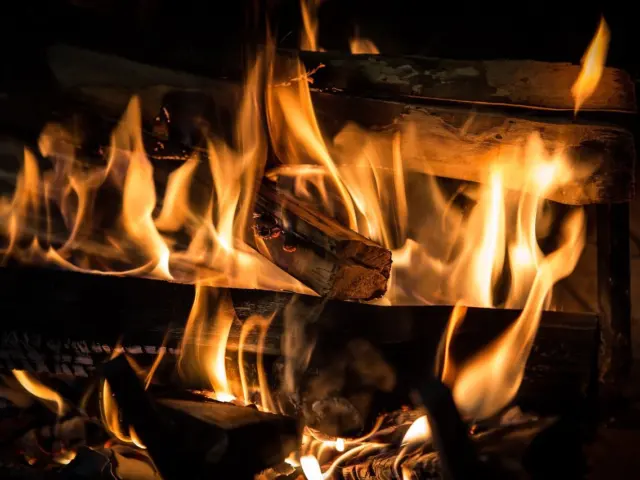
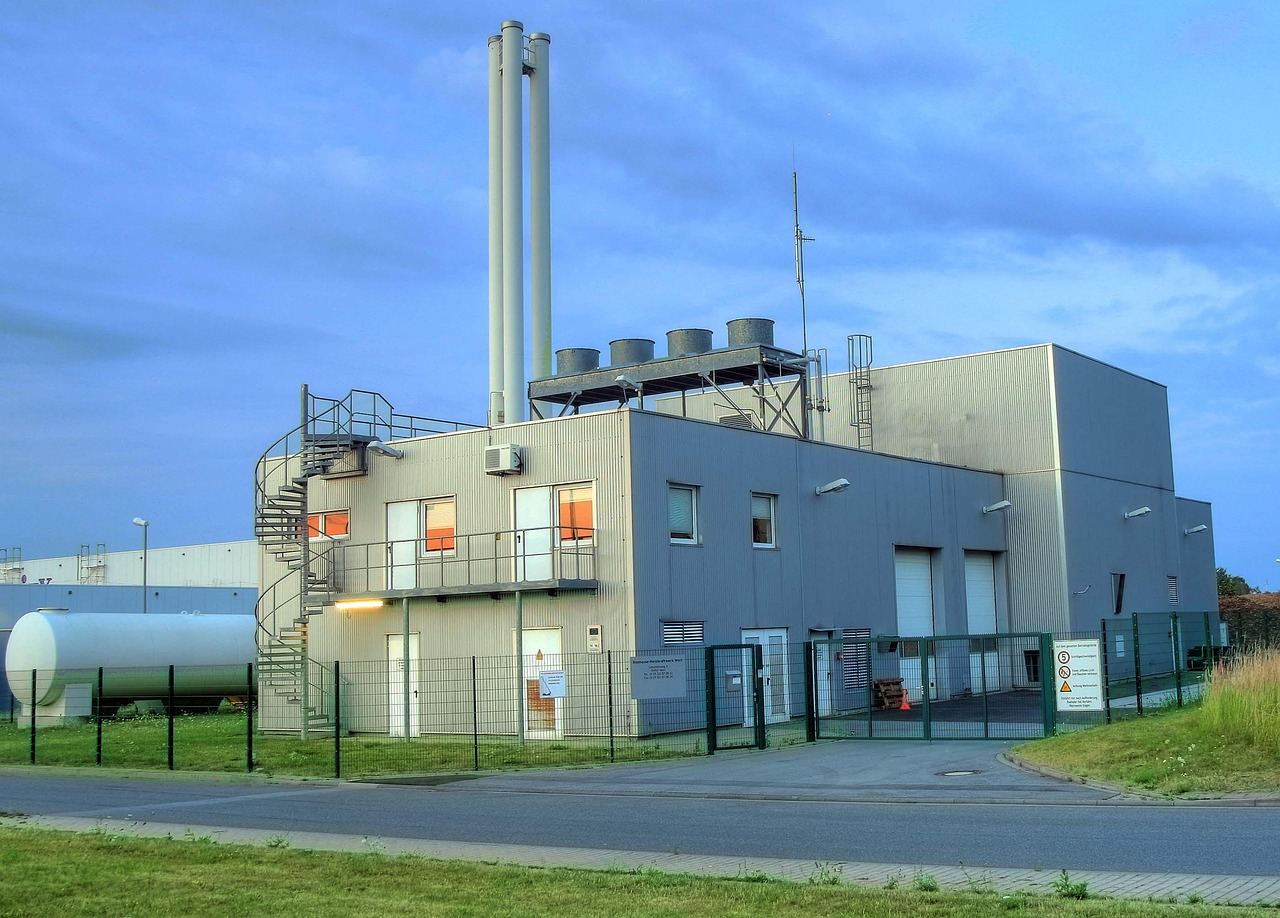
Burning is the simplest route. Wood in a stove, pellets in a boiler and mill waste in an industrial furnace all release their energy as heat, which can warm a building, supply process steam or drive a turbine. Modern systems are designed to burn more cleanly and recover more of the heat than an open fire. The practical side of this route for buildings is covered in the guide to biomass heating, and the combined production of heat and electricity from the same fuel is explained in the article on biomass combined heat and power.
Thermochemical conversion
Heating biomass in a closed vessel with little or no oxygen breaks it into gases, liquids and solids instead of burning it. According to the agency, pyrolysis heats organic material to between 400° C and 500° C in the nearly complete absence of free oxygen, producing fuels such as charcoal, bio-oil and methane. Gasification works at higher temperatures, between 800° C and 900° C, with a controlled supply of oxygen or steam, and it yields a hydrogen-rich synthesis gas that can fuel engines or turbines. The differences between the two methods, and their typical equipment, are compared in the article on biomass gasification.
Chemical and biological conversion
Chemical conversion includes the reaction that turns vegetable oils, animal fats and greases into biodiesel. Biological conversion uses microbes: yeast ferment sugars into ethanol, and bacteria working without oxygen digest wet organic waste into biogas. Both are central to how algae and farm waste are used, as the next sections show.
Algae as a biomass source
Algae are attractive to researchers for reasons that are mostly practical. They can be grown in tanks, ponds or enclosed panels, so they do not have to compete with food crops for good farmland. The Department of Energy’s production programme notes that the resources needed to grow algae include non-arable land, non-potable water, waste nutrient streams and waste carbon dioxide, as well as sufficient sunlight. That list explains why many projects are located next to wastewater plants or industrial sites that emit carbon dioxide.
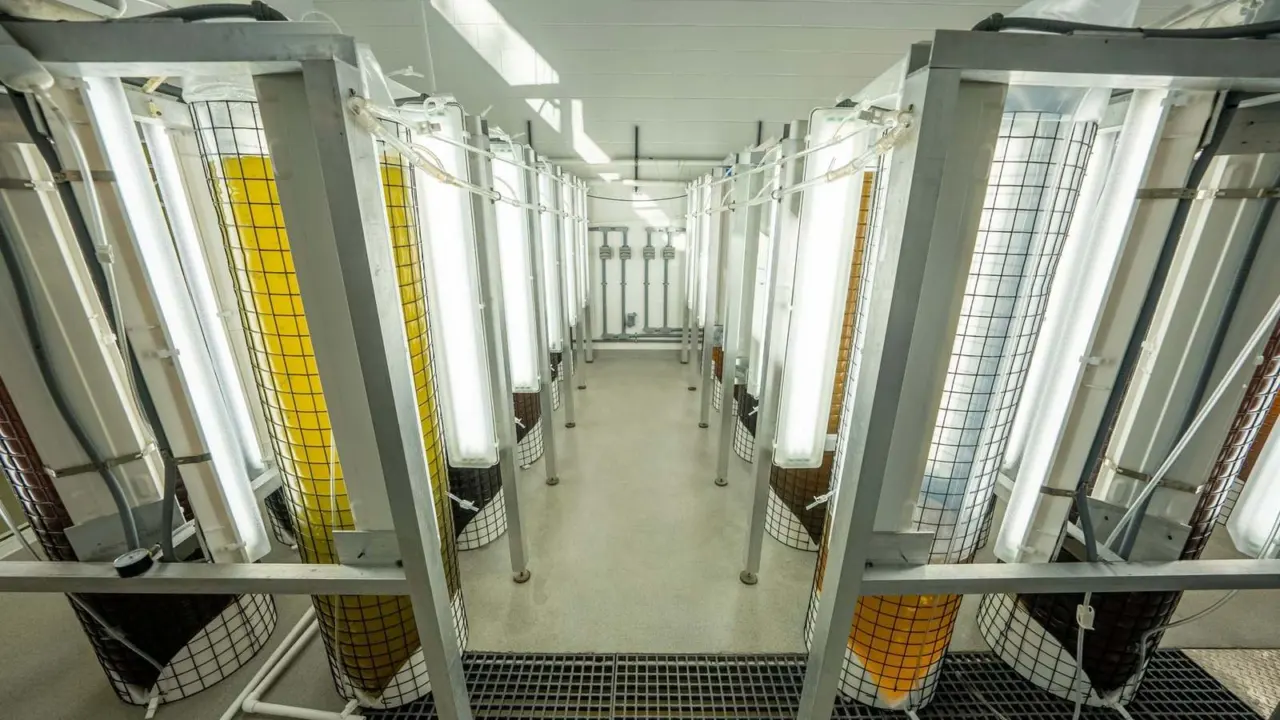
The same programme explains that algal biomass includes microalgae, macroalgae and cyanobacteria, and that researchers look for strains with a fast growth rate and high oil content. Cultivation systems range from open raceway ponds to closed photobioreactors, which are transparent tubes or flat panels that keep the culture contained. Open ponds are cheaper to build but are exposed to weather and contamination, while closed systems give more control at a higher cost per unit of output.
Growing the algae is only the start of the task. Harvesting and processing are difficult because algae live in very dilute suspensions. The Department of Energy’s logistics page states that algal components that are not converted to biofuels can make up 40%–75% of the biomass moving through the supply chain. Those leftovers can supply nutrients and power back to the system, or be made into co-products such as animal feed or commodity chemicals, which is one reason algae projects are usually designed as biorefineries rather than single-product plants.
The fuel end of the story is described by the Department of Energy as a goal rather than an achievement. Its algal programme says the research aims to realise an algal biofuel industry capable of producing billions of gallons per year of renewable diesel, gasoline and jet fuel. That wording shows where the technology stands: promising, heavily researched and still working to cut costs. The step-by-step process, from strain selection to extraction, is covered in the article on algae biofuel.
Algae also have a role beyond fuel. Because they take up carbon dioxide as they grow, they are studied as a way of capturing emissions from flue gas and turning them into biomass. The evidence on how much carbon is really captured, and what happens to it afterwards, is reviewed in the guide to algae carbon capture.
Biogas from waste and landfills
When wet organic material decomposes without oxygen, bacteria produce biogas, a mixture of methane and carbon dioxide. The federal energy statistics agency explains that biogas varies from 45%–65% methane, depending on the feedstock. Raw biogas can be burned directly for heating or for generating electricity on site or for sale to the grid.
This process happens naturally in swamps, lakes and the digestive tracts of animals, and it can be harnessed in sealed tanks called digesters. The Environmental Protection Agency’s AgSTAR programme describes how bacteria break down organic matter such as animal manure, wastewater biosolids and food wastes in the absence of oxygen, and notes that the process leaves a residue called digestate, which can be used as fertiliser or soil amendment. The design of digesters, their feedstocks and their outputs are covered in the article on anaerobic digestion biogas.
Landfills produce the same gas without any engineering, simply because buried waste rots. The Environmental Protection Agency’s landfill programme reports that landfill gas is roughly 50 percent methane and that there are 542 operational LFG energy projects in the United States. The same page points out that methane is at least 28 times more effective than carbon dioxide at trapping heat in the atmosphere, which is why capturing and burning it, rather than letting it escape, is regarded as a climate benefit.
Raw biogas can be cleaned up for wider use. The federal energy statistics agency notes that treated gas must reach a methane content of at least 90% before it counts as renewable natural gas, and that gas injected into pipelines is at 96%–98%. After treatment it can be used in the same way as fossil natural gas, in existing pipelines, appliances and vehicles. The pathway from digester or landfill to the grid is explained in the guide to renewable natural gas.
Waste, wood and the larger energy picture
Municipal solid waste is a mixed fuel, partly plant and animal material and partly plastics, glass and metal. Waste-to-energy plants burn the combustible portion to raise steam for electricity or heating. The federal energy statistics agency reports that, as of May 2026, 57 U.S. power plants generated about 12.8 billion kilowatthours of electricity from burning combustible waste, and that such plants reduce the volume of waste by about 87%. Burning waste is a disposal strategy as much as an energy one, and the same agency notes that it requires air pollution controls and careful handling of ash.
Wood is the older and more familiar fuel. The agency finds that about 2% of annual U.S. energy consumption comes from wood and wood waste and that the industrial sector accounts for most of it, because sawmills and paper mills burn their own residues for steam and power. In homes, wood is a heating fuel in many regions: in 2020, about 8.9% of all U.S. households used wood for energy, mostly for space heating.
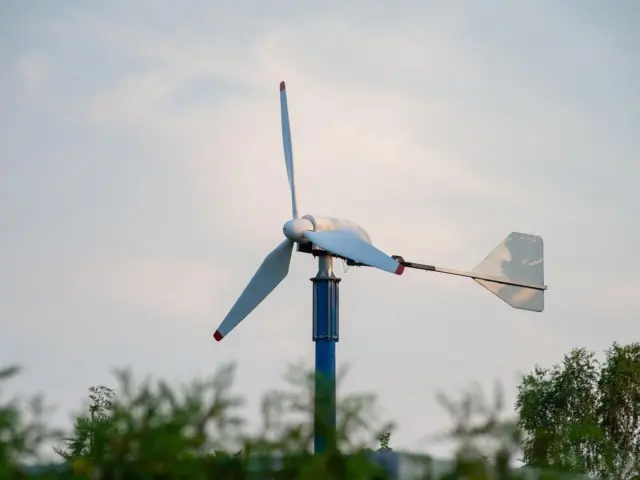
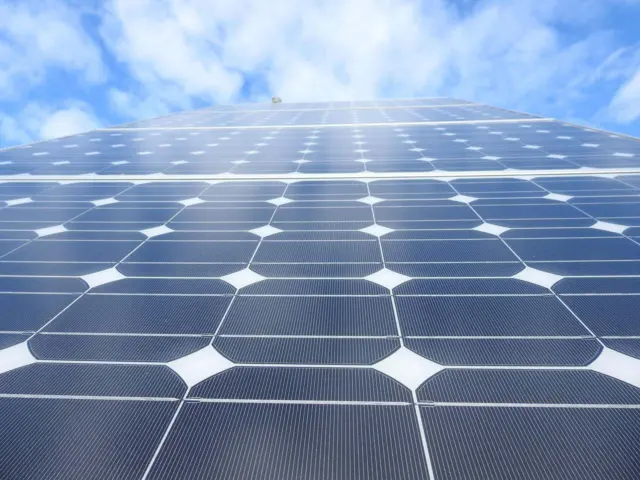
Biomass does not stand alone in a clean energy system. Wind and solar produce electricity only when the wind blows or the sun shines, while biomass can be stored and burned when needed. The Department of Energy points out that biopower can increase the flexibility of electricity generation and enhance the reliability of the grid, unlike some intermittent sources. For readers comparing options on a rural property, the neighbouring guides on small wind turbines and on how solar panels work explain the principles behind those technologies.
Environmental trade-offs and how to read the claims
Biomass is often described as carbon neutral, and the claim is partly right. The federal energy statistics agency explains that the source plants capture almost as much carbon dioxide through photosynthesis as biomass releases when burned. The accounting only holds when the plants are regrown, though, and the same page cautions that harvesting wood faster than trees can grow causes deforestation.
Air quality is the other main issue. Wood smoke contains carbon monoxide and fine particles, and waste burning can release pollutants unless controls are in place. Modern pellet stoves and regulated waste-to-energy plants reduce these effects, but they do not remove them, which is why local air rules matter when a project is planned.
These questions help when reading any claim about biomass energy:
- Does the fuel come from a waste or residue, or from a crop grown specifically for energy? Residues usually carry the smaller land and climate footprint.
- Is the full chain counted, including growing, harvesting, drying, transport and conversion?
- Is the technology proven at commercial scale, or still at the pilot stage? Algae fuel belongs in the latter group.
- Is the figure a measured result or a projection?
Programme rules, incentives and fuel standards change often, so anyone considering a project should check the current official rules for their location rather than rely on a general guide.
Where biomass energy meets the garden and the farm
Biomass energy and land use are closely linked. Digestate and ash can return nutrients to soil, crop residues can be a fuel or a soil cover, and an energy crop competes with food for land and water. The Department of Energy’s national assessment concluded that the country could triple its production of biomass to more than 1 billion tons per year and still meet demands for food, feed, fiber and exports, which is a projection rather than a measured result.
For growers, the practical overlap is on the soil side. The guide to organic gardening for beginners covers how composting and soil-building feed on the same organic matter that biomass projects use, and the article on sustainable farming practices shows where farm residues, manure and cover crops fit into a whole-farm approach.
This website is independent. It is not affiliated with any company, product, certifier or government programme, it sells nothing, and it offers general information rather than installation, financial, tax or legal advice.
Frequently asked questions
Is biomass energy really renewable?
It is renewable when the material is regrown or comes from waste that would exist anyway. Biomass is organic material from plants and animals that can be replaced, but harvesting wood or crops faster than they regrow undermines that.
Why are algae studied for energy?
Algae can grow in water on land that is not suited to food crops, and they can use waste nutrients and waste carbon dioxide. The main hurdles are harvesting dilute cultures and bringing costs down.
What is the difference between biogas and renewable natural gas?
Biogas is the raw gas from digesters and landfills, a mix of methane and carbon dioxide. Renewable natural gas is biogas that has been treated so it can be used like fossil natural gas.
Does burning biomass pollute the air?
It can. Wood smoke and waste burning release particles and other pollutants, so cleaner stoves, pollution controls and local air rules all matter.
Can a household use biomass energy?
Many households already do, through wood or pellet heating. Equipment choice, fuel supply and local rules vary, so installers and local authorities are the right source for specific decisions.