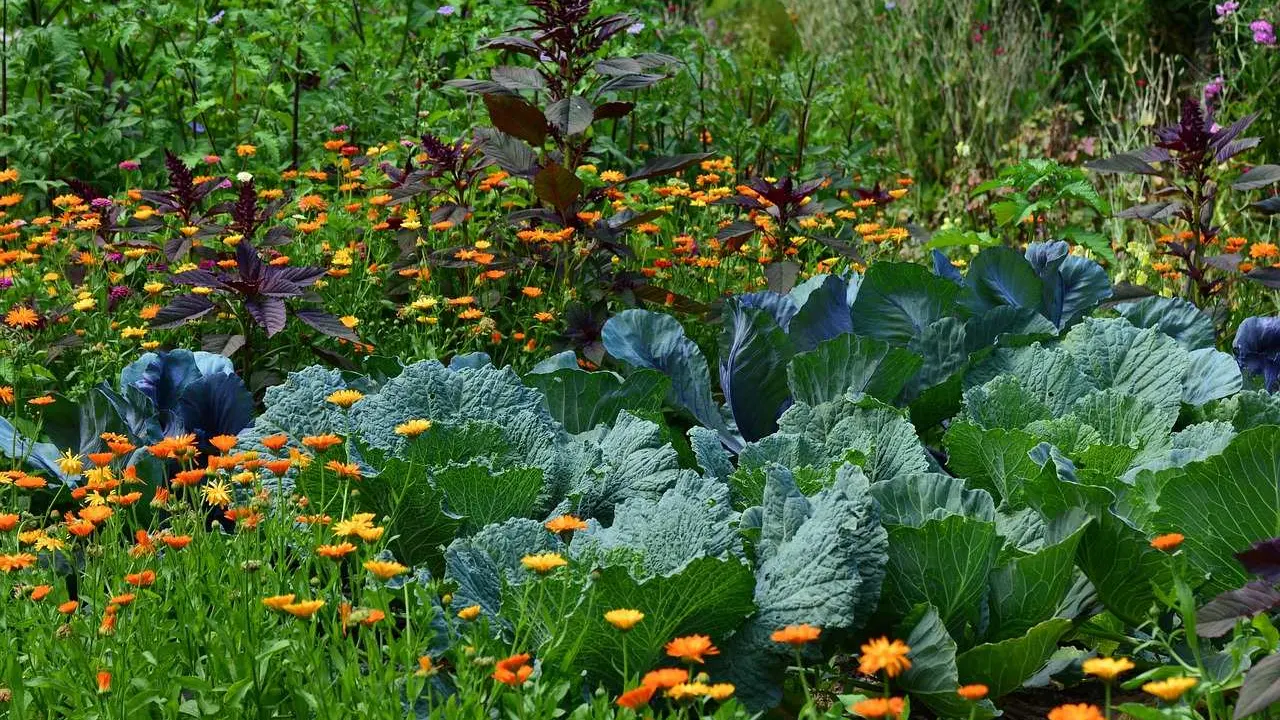
Companion planting is growing different plants together to encourage natural controls for pests, diseases and weeds, and a University of California extension article says some examples of its efficacy have been verified by scientific evidence.
It is one practice within organic gardening for beginners, the wider approach to growing without synthetic inputs.
What the evidence says about companion planting
A University of California Master Gardener article states that much of the gardening information on the internet is anecdotal, based on traditional practices or just plain mythological. The same article describes companion planting as an effort to encourage natural plant-derived controls for plant diseases, pest insects and weeds, and says researchers are beginning to study its effects in home gardens. It adds that some examples of the efficacy of companion planting have been verified by scientific evidence as well as anecdotal observations.
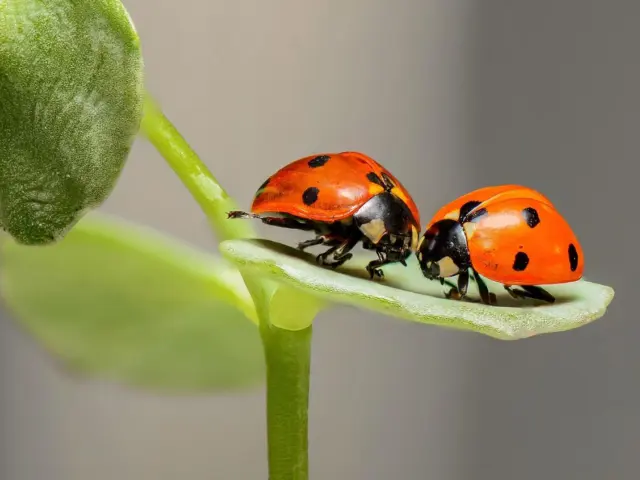
The authors list several practices that Master Gardeners can offer with confidence, as set out in the same article. Planting nitrogen-fixing plants such as peas and beans, and cover crops such as clovers, raises nitrogen levels in the soil. Planting host plants like artemisia provides habitats and food sources for predatory beneficial insects such as lady beetles. Planting taller sun-loving plants next to short ones provides shade for the shorter plants, and the article says that shade discourages weed growth and helps keep roots cooler.
The sections below follow what individual extension pages and one peer-reviewed study report for specific pairings, including the limits each source states.
The Three Sisters: corn, beans and squash
The University of California article calls the Three Sisters trio of beans, corn and squash a great example of successful companion planting developed by Native Americans centuries before the arrival of European settlers. It describes the arrangement this way: the corn stalks support the bean vines as they grow, the beans fix nitrogen in the soil, and the large squash leaves shade the roots.
The same article cautions that the timing of seed planting and the best varieties for specific climate zones are not always provided by internet sources.
Marigolds and root-knot nematodes
Extension sources report mixed findings on marigolds. The University of California article says it is not clear from science-based studies whether marigolds repel pest insects or control nematodes. It reports some science-based evidence that tilling French marigolds (Tagetes patula) into the soil the season before planting reduces the nematode population somewhat, but not always. It also says marigolds produce compounds that may or may not repel insects, and that which insects, and how the compounds work, has not been fully studied.
The Penn State Extension marigold article draws a line between two ways of using the plant. It says some varieties of French and African marigolds have a chemical in their roots that can suppress root-knot nematode populations, and that this is used by planting a thick cover crop of marigolds in the spring and then tilling, disking or digging the plants in after growing them for several months. It then states plainly that interplanting with marigolds does not impact root-knot nematode populations.
The University of Wisconsin Extension marigold page agrees on the cover-crop route: cover cropping with French marigolds has been shown to reduce the number of root-knot nematodes in soil. It attributes the effect to a chemical, alpha-terthienyl, released by French marigolds.
Marigolds, basil and tomatoes: a whitefly study
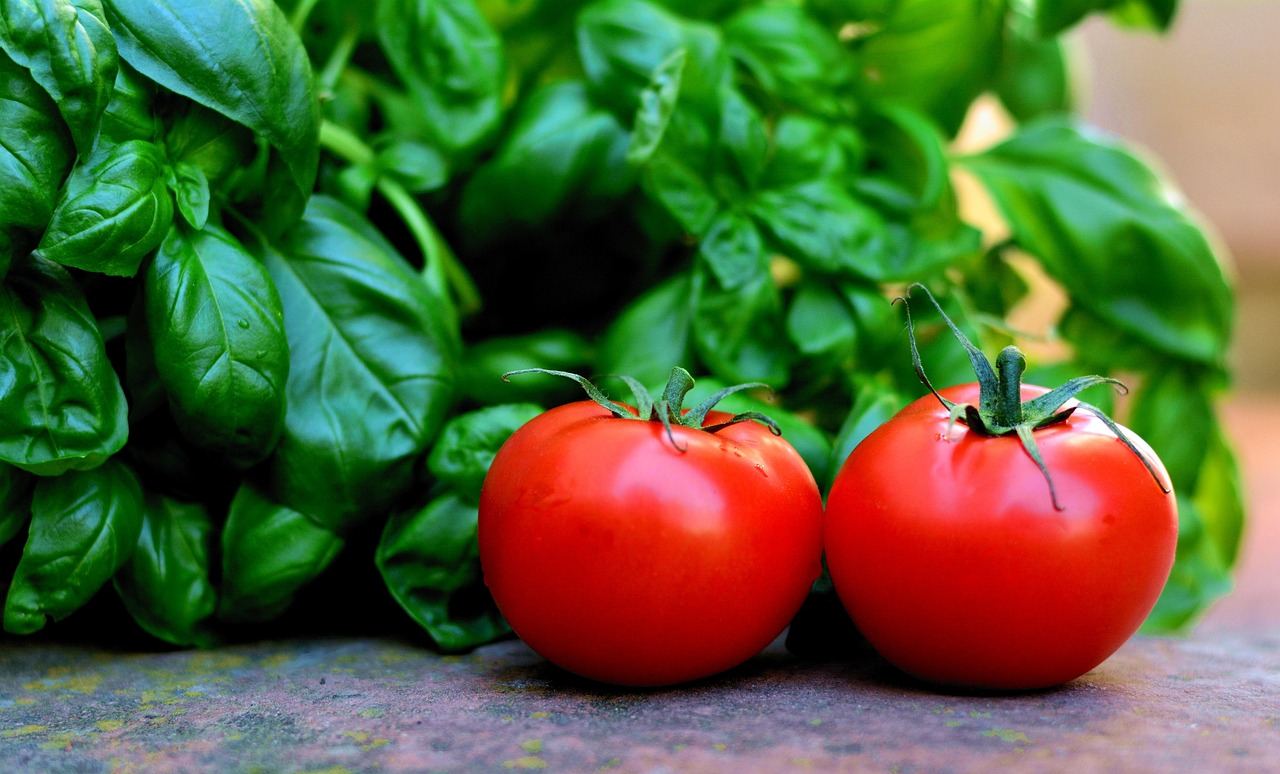
A peer-reviewed PLoS One study notes that horticulturalists and gardeners in temperate regions often claim that planting marigolds next to tomato plants protects the tomatoes from the glasshouse whitefly. It tested this in glasshouse trials in Yorkshire, England, and reports that association with marigolds significantly slows whitefly population development. Its authors conclude that companion planting short vine tomatoes with French marigolds throughout the growing season will slow development of whitefly populations.
The same paper reports limits. Introducing additional whitefly-attractive pull plants around the perimeter of plots had little effect, and introducing marigolds after whiteflies had built up on unprotected tomatoes yielded minimal reductions in whitefly performance. The authors state that this late introduction will be less effective. They also report that reducing the proportion of marigolds and introducing other non-hosts of whiteflies, namely basil, nasturtium and Chinese cabbage, also reduces whitefly populations on tomato.
These are glasshouse results from a single study.
Flowers that attract beneficial insects
A University of Wisconsin Extension article on flowers for beneficial insects explains that many natural enemy adults, particularly tiny wasps and flies, visit flowering plants to obtain nectar and pollen. It states that small insects prefer small flowers, and that whether a particular flower helps reduce a garden pest depends on how effectively it brings in the more effective natural enemies.
On timing, the article says pollen and nectar need to be available when the adults are active, and that this is most easily achieved by planting a mixture of plants with relatively long blooming periods that overlap in time.
The Wisconsin article is direct about the research record. Most scientific studies have looked only at the impact of flowers on the longevity and fecundity of natural enemies, rather than at decreases in pest populations. Among the few studies that did address pests, it reports that parasitism of bagworms was about 40% higher on shrubs surrounded by flowering plants. For obliquebanded leafrollers on apple, perennial flower plantings improved parasitism in a year but not in another year, so the effect varied. The article concludes that the idea of prescribing flowers to manage pests has a long way to go.
Black walnut and juglone-sensitive plants
The University of Wisconsin plant disease clinic fact sheet explains that black walnut trees produce a toxic substance, juglone, which prevents many plants from growing under or near them. It says the toxic effects of a mature black walnut tree can extend 50 to 80 feet from the trunk, and that vegetables such as tomato, potato, eggplant and pepper are particularly sensitive to juglone.
The fact sheet lists asparagus, cabbage, eggplant, pepper, potato, rhubarb and tomato as sensitive, and beans, beet, carrot, corn, melon, onion, parsnip and squash as tolerant. It states that the table is based on observation, not on formal testing, and that sources often disagree on whether particular plants are sensitive or tolerant.
It adds that there is no cure for a plant affected by walnut toxicity, and that removing a tree does not end the problem at once because remaining root pieces may continue to exude toxins for several years as they decay. For gardeners growing sensitive plants near a black walnut, it suggests keeping beds free of walnut leaves and hulls, removing walnut seedlings as they appear, or building raised beds with barriers that limit root growth.
Using the evidence in a garden
Across these sources, the reported results varied with how and when the companion was planted. Against root-knot nematodes, the University of California article reports that tilling French marigolds into the soil reduces the nematode population somewhat, but not always, and Penn State says interplanting with marigolds does not impact root-knot nematode populations. In the glasshouse study, marigolds grown alongside tomatoes throughout the growing season slowed whitefly populations, while marigolds introduced after whiteflies had built up gave minimal reductions. Companion planting also sits alongside other practices, such as organic pest control and soil-surface care such as garden mulch, each covered in its own guide. Readers can consult their local cooperative extension office for guidance fitted to their region.
Frequently asked questions
Do marigolds planted among vegetables keep nematodes away?
Penn State Extension says interplanting with marigolds does not impact root-knot nematode populations. Reductions are reported when French marigolds are grown as a dense cover crop and then worked into the soil, though the University of California article says this reduces the nematode population somewhat, but not always.
Can tomatoes be grown near a black walnut tree?
Wisconsin extension lists tomato among the vegetables particularly sensitive to juglone, and says the toxic effects of a mature tree can extend some distance from its trunk. Its suggestions for gardeners include raised beds with barriers and keeping beds clear of walnut leaves and hulls.
Is the research on companion planting conclusive?
The sources describe a mixed record. The University of California article notes that researchers are beginning to study companion planting in home gardens, and the Wisconsin article on flowers reports that most studies have measured effects on beneficial insects rather than on pest numbers.
Do flowers in a vegetable garden reduce pests?
The Wisconsin article says the outcome depends on how effectively a flower attracts the more effective natural enemies of a pest. Bagworm parasitism was reported higher on shrubs surrounded by flowering plants, while the effect on apple leafrollers varied between years.