A garden soil test analyzes a sample of garden soil, usually reporting pH and nutrient levels, to help gardeners make informed fertilizer and soil amendment choices. Extension services and the EPA describe how to collect the sample and how to read the results.
Soil testing is one step in the wider process of building healthy soil, covered in the guide to organic gardening for beginners.
What a soil test can and cannot tell you
Oregon State University Extension, in a guide published April 2021 and reviewed in 2025, says a soil test can help you diagnose and correct plant problems, enhance plant growth, learn about a new garden or growing area, and make informed fertilizer and soil amendment choices.
Colorado State University Extension’s garden notes on soil tests (published October 2015, reviewed September 2022) describe the value of a test for the home garden as establishing a baseline, or tracking changes, in soil limitations related to pH, salt levels, and the need for fertilizers. The same page cautions that a standard soil test will not identify common garden problems related to over-watering, under-watering, poor soil drainage, soil compaction, diseases, insects, weed competition, environmental disorders, too much shade, poor varieties, or simple neglect.
Part of the Colorado State guidance, such as its testing frequency, refers specifically to the neutral and alkaline soils of Colorado.
Collecting a soil sample
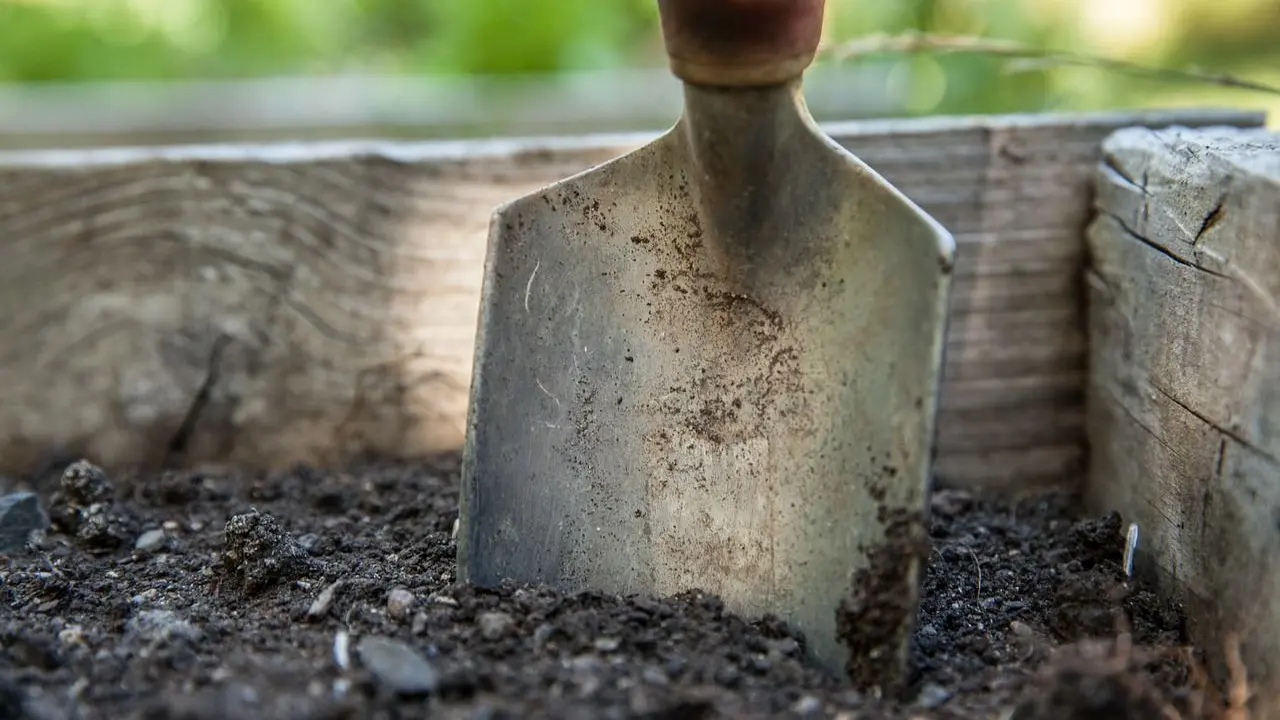
Colorado State Extension notes that the results of a test are no better than the quality of the sample sent to the laboratory, and that the sample must be representative of the yard or garden being considered. Oregon State Extension advises collecting the sample from the area of the soil where the plant roots will grow, and says about 6 to 8 inches deep is good for most garden plants. It also advises removing any roots, grass or mulch from the sample for the most accurate test result.
Extension guidance also covers how many samples to take. Oregon State says that on a budget, soil from different areas of the garden can be mixed together into one soil sample, which gives an overall idea of the garden soils. For problem solving or fine-tuning, it says to collect soil from individual garden areas and test each area separately, naming the samples and making a map so the results can be matched to the garden.
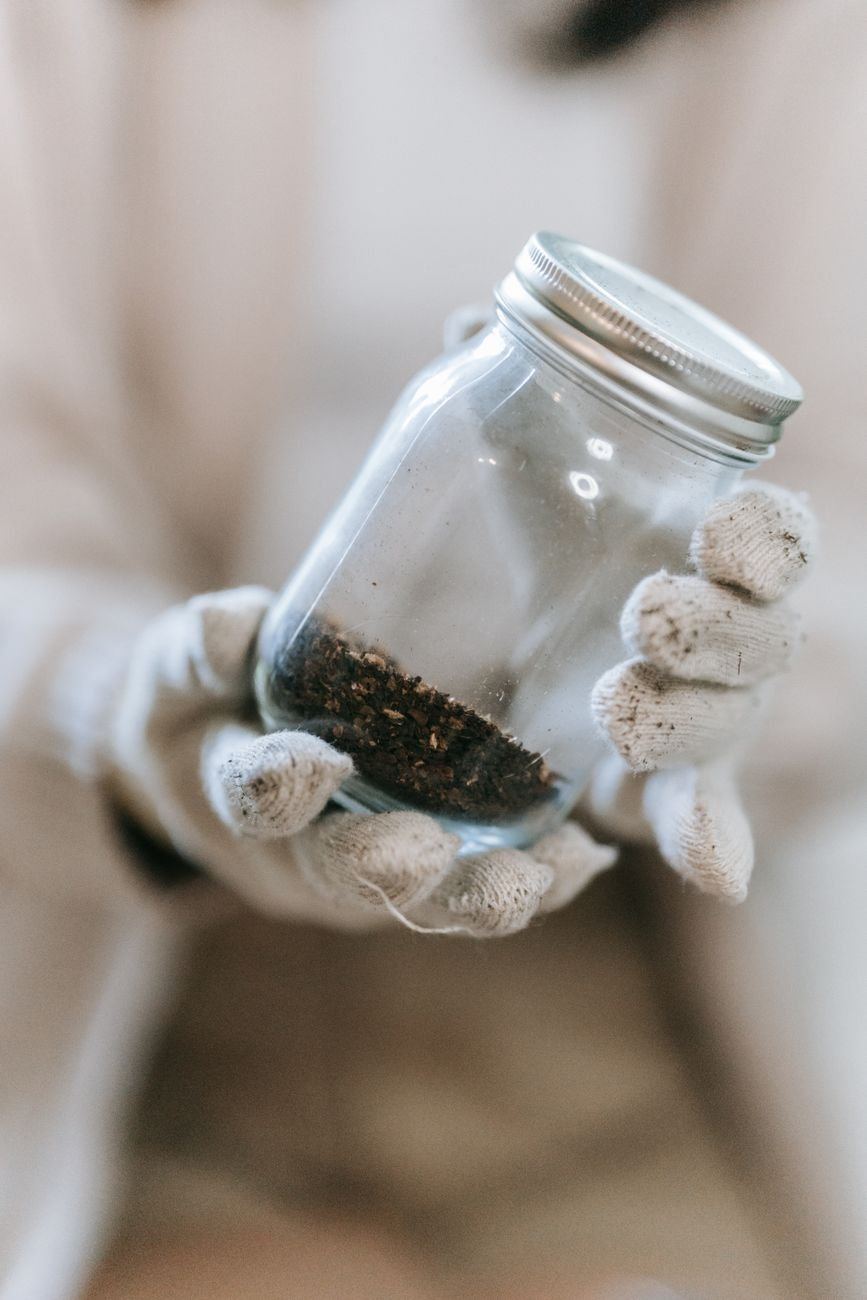
Colorado State gives a more detailed routine. It says to take five or more subsamples from a relatively small area such as a vegetable garden, and ten to fifteen subsamples for larger areas. The subsamples go into a clean plastic bucket and are thoroughly mixed until the sample is homogeneous, and the sample should not be oven-dried. The container is labeled with an identifier, the gardener’s name and the sample depth.
The same page says the garden should be sampled separately from the lawn, and that garden beds receiving differing amounts of fertilizers and soil amendments should be sampled separately from each other. It adds that a soil sample may be taken at any time of year, although spring or fall sampling is usually the most convenient, and it tells readers to follow the sampling depth directions given by the laboratory.
What a soil test report contains
According to Oregon State Extension, soil testing labs have the equipment to run a detailed nutrient analysis, including pH, calcium, phosphorous, potassium, organic matter and more. It suggests asking a lab whether it has a garden package that tests for common soil components important for home gardens, requesting an example report to see what information and recommendations it provides, and asking whether interpretation of the results costs extra.
Colorado State lists what a standard soil test typically includes: texture, organic matter reported as a percent of the total dry soil weight, pH, lime, soluble salts, and nutrients reported in parts per million, such as nitrate nitrogen, phosphorus, potassium and micronutrients including copper, iron, manganese and zinc. Additional tests could be run for special needs like lead content, heavy metals, or sodium problems.
Laboratories do not all work alike. Colorado State says that because individual laboratories do not necessarily use the same soil test procedures, their reported available nutrients can, and frequently do, differ. Its advice is that future testing be done with the same laboratory so that comparisons can be made.
Oregon State Extension states that home test kits or devices generally will not provide results as accurate as a soil testing service and are not recommended for problem solving or understanding soil nutrient levels in detail. Colorado State describes them as having questionable value and notes that they typically do not provide very precise metrics or any recommendations.
Reading the pH result
Iowa State University’s yard and garden answer on lime (last updated February 2022) explains that any pH below 7.0 is acidic, any pH above 7.0 is alkaline, and a pH of 7.0 indicates a neutral soil. It gives the optimum pH range for most flowers, vegetables and other horticultural crops as between 6.0 and 7.0, and says soil pH matters because it affects the availability of essential nutrients.
Extension ranges are not identical. Mississippi State University Extension gives the ideal pH values for vegetable garden soils as 6.0 to 6.5, and says vegetable plants do not grow well in acid soils with a pH of 4.5 to 5.5 or in alkaline soils with a pH above 7.5. Plant preferences also vary: Oregon State Extension notes that most plants prefer neutral soils, but some, such as blueberries, rhododendrons and azaleas, grow best in more acidic soils.
On liming, Iowa State says that in Iowa, gardeners should apply lime to gardens and lawns only when recommended by a soil test. Lime is applied to acidic soils with a pH below 6.0 to raise the pH into the optimum range, and applying it to an alkaline soil can raise the pH to excessively high levels, reducing the availability of plant nutrients and leading to poor plant growth.
Mississippi State describes the lime recommendation as the single most important piece of information on a soil test report. Because soils limed to the proper pH return to their acid state with time, it advises a soil test every three years to find out whether more lime is needed, and notes that sandy soils become acid again faster than clay soils. The same page notes that in areas with high rainfall like Mississippi, soils are generally acid.
Reading nutrient results and recommendations
Colorado State says the recommendations resulting from a soil test need to be made by the laboratory doing the work, based on cropping information provided by the grower or gardener. It also points out that laboratories can differ in the objectives behind their recommendations: if maximum yields are the primary objective, the recommendations will likely be for increased fertilizer application, which can mean increased costs and a higher potential for leaching of fertilizers into ground water.
Colorado State also says that soil test results for nitrogen can have limited use for the home gardener because the nitrogen level constantly changes in response to soil organic matter additions, soil microorganism activity, temperature, moisture levels, leaching, and nitrogen consumption by plants and other soil life.
For help with the numbers, Oregon State Extension suggests first reaching out to the company that provided the soil test, and then checking in with Master Gardener volunteers in the county. Gardeners who want to see what a fertilizer recommendation could mean in practice can read about organic fertilizer on this site.
On how often to test, Colorado State says that in the neutral and alkaline soils of Colorado, the test should be repeated when changes are made to the crop being planted or to the soil, such as the addition of larger quantities of manure, biosolids or compost that may be high in salts, or approximately every one to three years to reestablish the baseline. In other parts of the country where lime is routinely added to raise the pH on acid soils, it says a soil test may be needed annually.
Testing for lead before growing food
The US EPA page on healthy gardening practices to reduce exposure to lead-contaminated soil (last updated September 21, 2026) provides healthy gardening practices for residents living in areas where soil may be contaminated with lead. It says exposure to lead can be dangerous, especially to children and women who are pregnant or breastfeeding because they are more sensitive to the harmful effects of lead exposure. Colorado State likewise notes that a special lead test would be of interest to homeowners with lead-based paints on older homes.
EPA lists these ways to be exposed to lead when gardening: eating fruits and vegetables that absorbed lead from soil; eating fruits and vegetables that still have lead in soil on them; tracking soil inside the home on shoes, clothes, or tools; and accidentally swallowing or breathing in contaminated dust or dirt while gardening. For testing, EPA says some local health departments may offer home soil lead testing, most laboratories associated with state university agricultural departments and agricultural extension offices offer soil testing, and soilSHOP events let residents bring garden soil to be screened for contaminants, including lead.
The EPA page names raised beds filled with clean soil as one of the best ways to protect against lead exposure while gardening, and lists these practices for working in the garden:
- Wash your hands, toys, pacifiers, tools, and clothes after gardening.
- Wear gloves.
- Keep your children and pets out of the garden if levels of lead are unknown.
- Store garden tools outside of living areas.
- Take your shoes off at the door and use doormats.
- Clean your floors regularly.
For preparing the garden, EPA lists these practices:
- Apply mulch to reduce dust and prevent soil from getting onto crops.
- Build raised beds and fill with clean soil on top of a visible barrier like garden fabric.
- Use containers to grow plants.
- Locate gardens away from potential sources of lead, like old painted buildings and roads with heavy traffic.
- Incorporate compost or manure from outside sources like garden centers.
- Adjust soil pH to near neutral (pH 6.5 to 7.5) to minimize lead absorption into plants.
- Add soil amendments where appropriate, and contact state university agricultural departments and agricultural extension offices for more information on the appropriate use of amendments.
General information on materials for covering soil is in the guide to garden mulch. For preparing fruits and vegetables, EPA advises discarding the outer leaves of leafy vegetables, washing fruits and vegetables, and peeling root crops like carrots, beets, turnips, and radishes.
After the results come back, EPA explains that most soil lead results are given as milligrams per kilogram (mg/kg) or parts per million (ppm), which are the same amount of lead expressed in different units. Its recommendations are tiered by the amount of lead:
- Approaching 200 ppm, exercise caution: wash hands, produce and clothes after gardening, limit gardening activity if pregnant or nursing, wear gloves and use tools to reduce soil contact, plant root vegetables and shallow root plants in existing soil, and plant deep root plants in raised beds.
- 200 to 400 ppm, modifications to existing soil needed: use the good gardening practices described by EPA, use raised beds of clean soil and organic matter like compost or manure, cover bare soil with ground cover or mulch, peel root vegetables before eating or cooking, plant root vegetables and shallow root plants in raised beds with clean soil, and avoid growing deep root plants, even in raised beds, unless growing in a container.
- Over 400 ppm, do not use existing soil: use the good gardening practices described by EPA, and only plant shallow root plants in raised bed gardens with a minimum of 16 inches of clean soil on top of garden fabric, or grow food in containers. Cover bare soil with ground cover or mulch or keep soil damp, and add clean soil and organic matter like compost or manure annually to the raised beds or containers. EPA does not recommend growing root vegetables or deep root plants unless they are in a container.
This is a summary of EPA guidance and not a substitute for it. Anyone with a lead concern should read the current EPA page in full and talk to a local health department or extension office.
Frequently asked questions
Are home soil test kits reliable?
Oregon State Extension says home test kits or devices generally will not provide results as accurate as a soil testing service, and Colorado State Extension says home soil test kits have questionable value.
When can a soil sample be collected?
Colorado State Extension says any time of year works, with spring or fall usually the most convenient.
Does a soil test report include nitrogen?
A standard test described by Colorado State Extension can list nitrate nitrogen among the nutrients, but the same source says nitrogen results can have limited use for the home gardener because nitrogen levels change constantly.
Who can explain the results?
Oregon State Extension suggests contacting the company that provided the test first, and then Master Gardener volunteers in the county.
How is soil tested for lead?
Colorado State Extension lists lead content among the additional tests that could be run for special needs, beyond a standard soil test. On where to go, EPA names three options: home soil lead testing, which some local health departments may offer; the soil testing offered by most state university agricultural and extension laboratories; and soilSHOP screening events.