Organic gardening for beginners comes down to feeding the soil rather than the plant: pick a sunny, well-drained site, add compost, cover beds with mulch, and manage pests by prevention first, using synthetic inputs as little as possible.
This guide is the starting point for the topic on this independent information site, and each section points to a deeper article on one part of it.
What organic gardening means in practice
At its core, organic gardening is a way of growing food and flowers that works with biology instead of replacing it. Healthy soil full of living organisms supplies most of what plants need, so the gardener’s job is to keep that soil fed, covered and undisturbed where possible. Fertility comes from compost, plant residues and manures, and pests are kept in check by plant choice, spacing, hygiene and the natural enemies that live in a garden.
The word “organic” also has a legal meaning for food sold to the public. In the United States, the National Organic Program is a federal regulatory program that develops and enforces consistent national standards for organically produced agricultural products sold in the United States. A backyard plot is not certified and is not covered by those sales rules, but the same thinking is a useful guide for a home gardener who wants to avoid synthetic fertilisers and pesticides.
The standards draw a clear line on inputs. Under the National List of Allowed and Prohibited Substances, in organic crop production, nonsynthetic (natural) substances are allowed unless specifically prohibited and synthetic substances are prohibited unless specifically allowed. That default is a handy rule of thumb for a garden, although “natural” never means “harmless”, a point that matters again in the pest section below. Rules for products sold as organic do change over time, so the current text on the official USDA pages is the place to confirm them.
Seen this way, organic gardening is less a list of banned products than a sequence of habits: choose the site well, build the soil, recycle plant and kitchen waste into compost, protect the surface with mulch, and look closely before reaching for any spray. The sections below follow that order. Readers curious about how living matter such as algae and plant waste can also be turned into heat and power can find that story in the sister guide on algae biomass energy.
Choosing and preparing a site
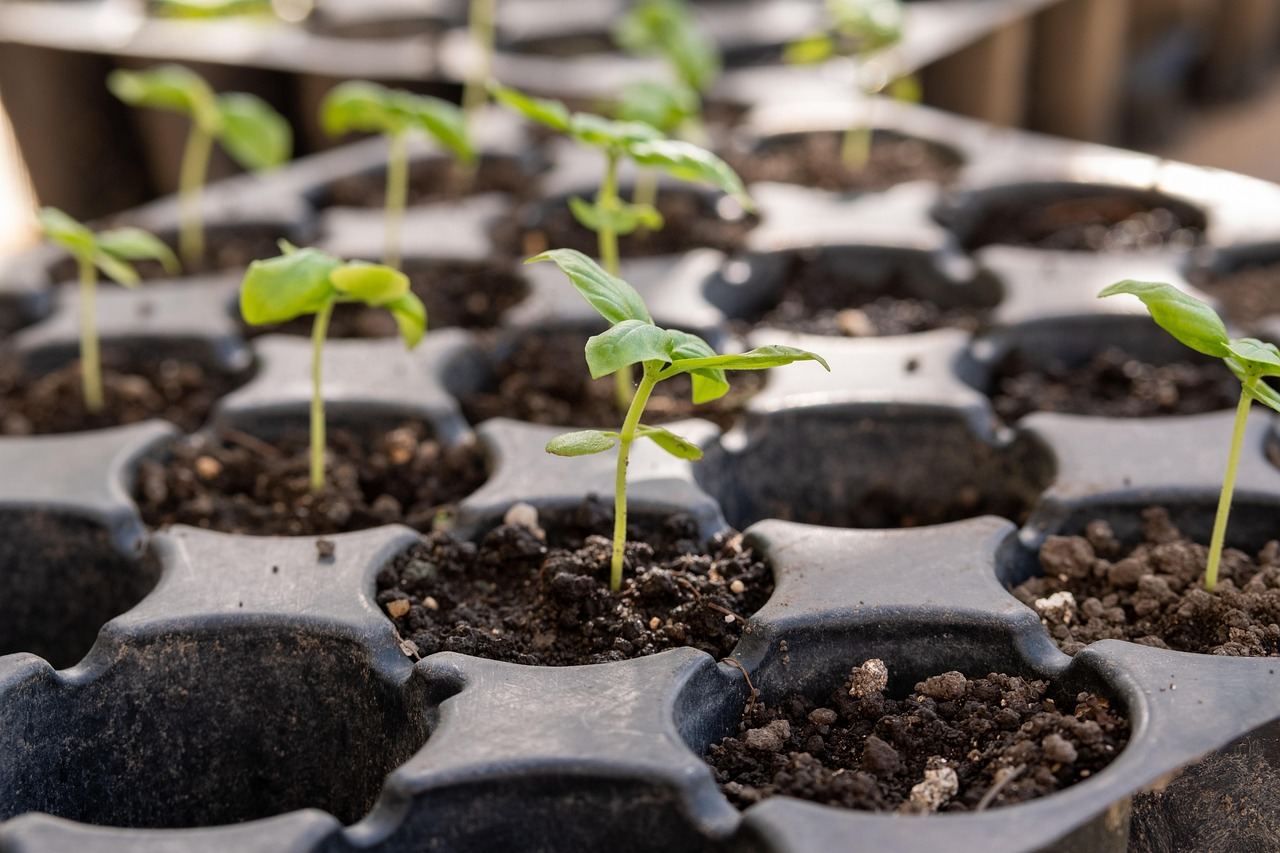
Most failures in a first garden trace back to the spot rather than the gardener. University of Wisconsin Extension advises that most vegetables require full sun (i.e., at least six hours of direct sunlight) each day. The same guidance suggests watching a potential site through the season to see whether trees or buildings shade it from late morning through the afternoon, and it recommends that the area be well drained, so that water does not puddle during heavy rain. Low spots where frost settles and steep slopes prone to runoff are better avoided, and a hose or other water source close by makes dry spells much easier to manage.
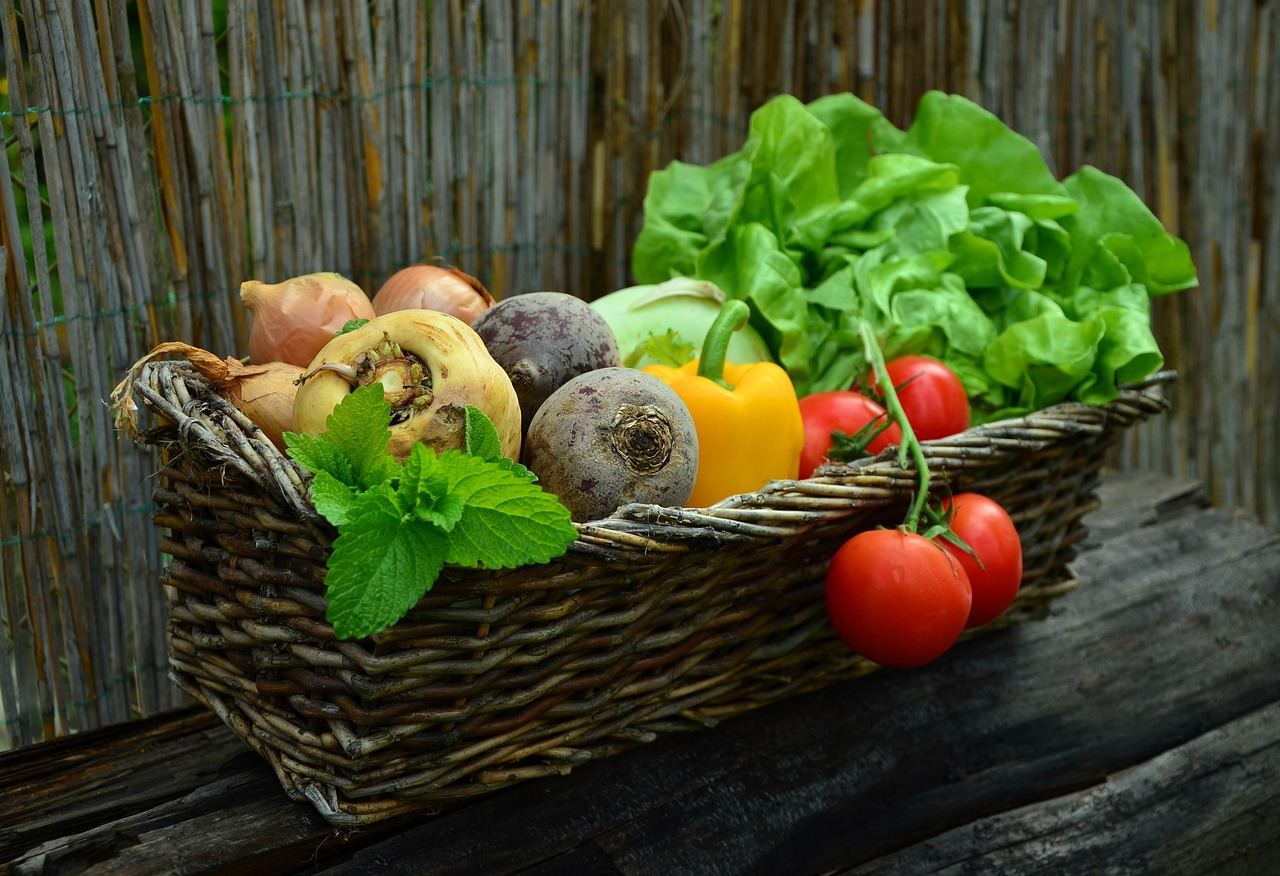
Size matters too, because an over-ambitious plot is the quickest route to weeds and discouragement. The Wisconsin guidance is blunt about it: start small with just a few crops that are easy to grow and care for. It names beans, beets, herbs, lettuce, onions, potatoes, radishes, squash and tomatoes as good options for first-time gardeners, and it warns that crowded plants are less productive, harder to maintain and more susceptible to disease. Spacing for each crop is printed on the seed packet or plant label, and drawing a simple plan on paper before planting helps to avoid overcrowding.
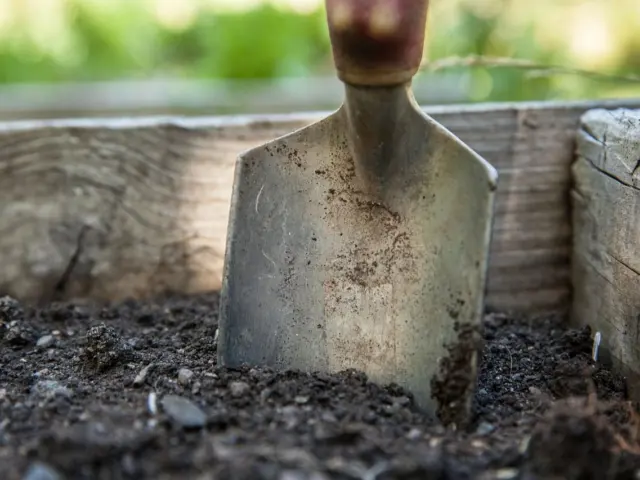
Preparing the ground is the other early job. Perennial weeds and turf need to be removed or smothered before planting, for example with cardboard or a tarp, and the cleared area then benefits from compost. According to the same source, compost helps sandy soils hold more moisture and nutrients, and it makes clay soils lighter and better drained. Its suggestion is to work a two to three inch layer of compost into the soil at least a month before planting, and ideally to start preparing the site the year before.
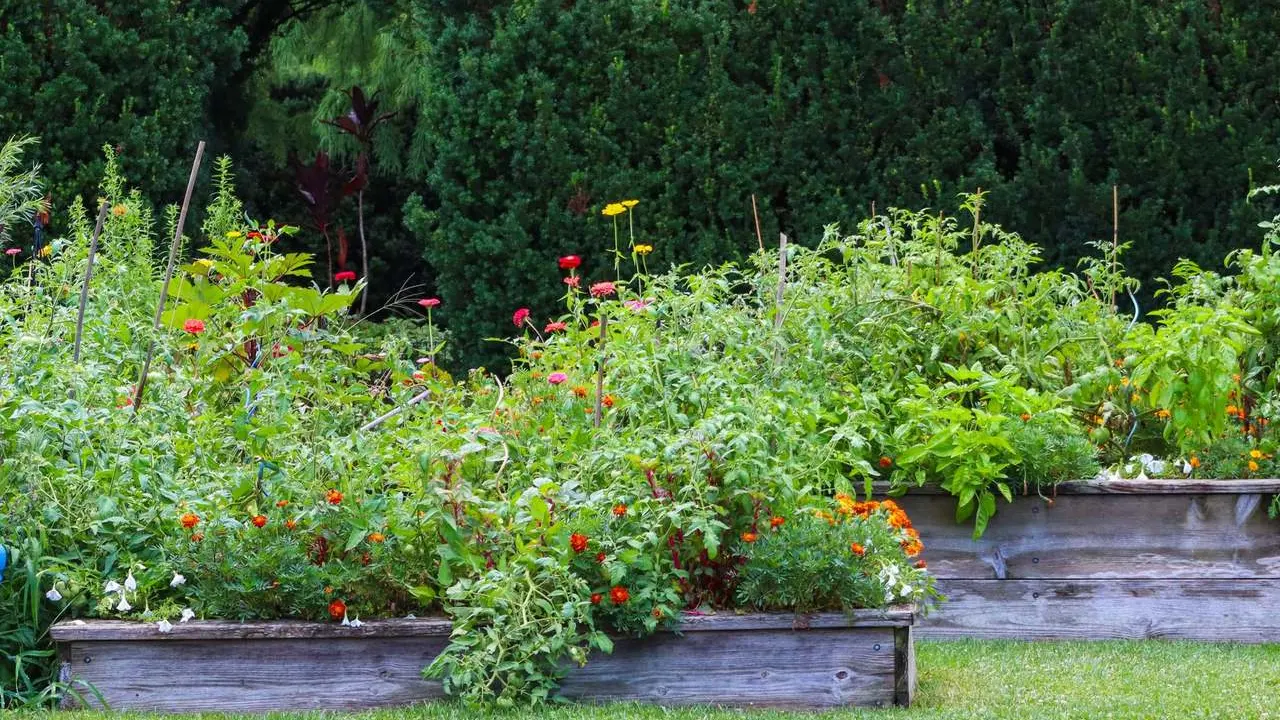
Where the native soil is very poor, shallow, compacted or contaminated, a raised bed filled with a purpose-made mix is a common alternative. Even then, the same principles apply: sun, drainage, organic matter and a cover of mulch. Container growing follows the same logic on a smaller scale, with the added need to water more often because pots dry out faster than ground soil.
Building healthy soil and reading a soil test
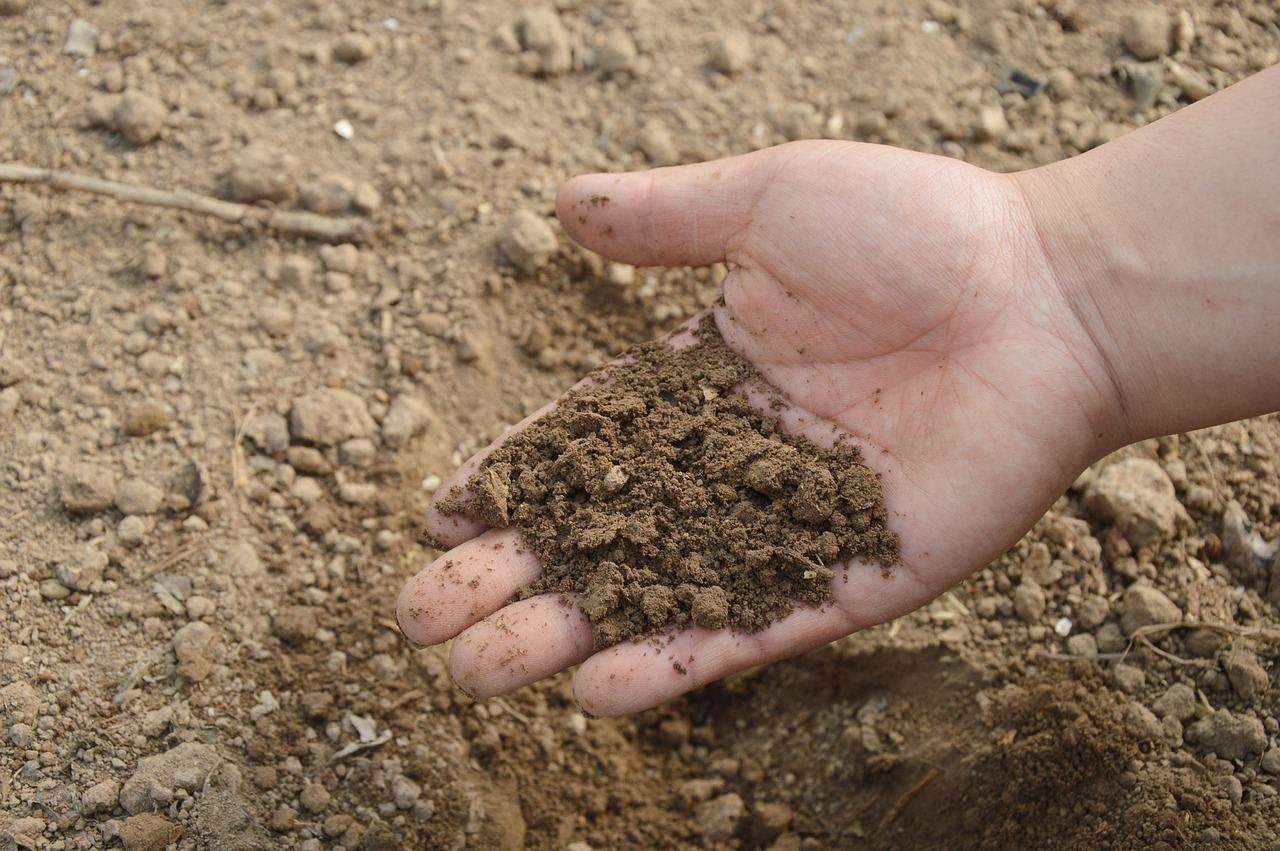
Soil is the centrepiece of organic gardening, and the first step in managing it is knowing what is there. Texture, acidity, organic matter and nutrient levels all vary from one garden to the next, and guessing leads to wasted effort. The Wisconsin extension article explains that a soil test will provide information on the type of soil, the soil pH, the amount of organic matter, and the levels of phosphorous and potassium. Samples go to a certified laboratory, and a good laboratory returns specific recommendations for adjusting pH and nutrient levels. The step-by-step method, from collecting a sample to interpreting the numbers, is covered in the guide to a garden soil test.
Acidity deserves special attention because it controls how available nutrients are to roots. Mississippi State University Extension explains that a pH of 7.0 is neutral, and any values below 7.0 are acid, and any values above 7.0 are alkaline. The same page states that soil testing is the only way to know the pH of your garden soil. Ideal targets differ a little between sources and regions: Wisconsin Extension describes an optimal pH for a vegetable garden of around 6.5, although most vegetables will grow very well with a pH anywhere between 6.0 and 7.2. Local extension offices can say what suits the soils and crops in a given area.
Organic matter is the second pillar. It improves structure, holds water and nutrients, and feeds the organisms that release nutrients slowly through the season. Compost is the everyday source, but other materials can play a role too, including aged manures, leaf mould and plant residues left on the surface. Some gardeners also experiment with charred plant material added to soil; how it behaves, and what the research says about it, is set out in the article on biochar for gardens.
When the soil test shows that nutrients are short, bagged and bulk materials of plant, animal or mineral origin can fill the gap. They differ in how much nutrient they contain and how quickly it becomes available, which is why matching the material to the need is better than applying a generic amount. Those differences are explained in the guide to organic fertilizer. Whatever is added, the aim is to build soil fertility over seasons rather than to chase a quick fix in a single one.
Composting and feeding the soil
Compost turns kitchen scraps and garden waste into the most useful soil amendment a gardener can make. The U.S. Environmental Protection Agency defines it plainly: composting is the managed, aerobic (oxygen-required) biological decomposition of organic materials by microorganisms. The microorganisms need carbon, nitrogen, water and oxygen, which is why every compost recipe is really about balancing four things: browns, greens, moisture and air.
The balance is simple to describe. The EPA lists fruit and vegetable scraps, grass clippings, coffee grounds and crushed eggshells among the nitrogen-rich “greens”, and dry leaves, plant stalks, twigs, shredded paper and untreated wood chips among the carbon-rich “browns”. It recommends that gardeners add at least two to three times the volume of browns (such as dry leaves) to the volume of greens (such as food scraps), and that the combined materials should have the consistency of a wrung-out sponge. Turning the pile now and then supplies air and speeds the process.
What goes in matters for safety and for neighbours. The same EPA page says plainly: do not add meat, dairy, or greasy foods to your pile, and it also lists pet waste, diseased plants, herbicide-treated grass and glossy paper as materials to keep out of a backyard pile. A well-built pile does not need to smell or attract pests, and a lid and a tight bin help where rodents are a worry. Full instructions, including bin choices, layering and troubleshooting, are in the guide on how to compost at home.
Timing is worth knowing before starting. The EPA notes that a backyard pile, if well maintained, can reach temperatures of 130° to 160° F, and that heat helps reduce pathogens and weed seeds. It also states that compost in a well-maintained pile will be finished and ready for use in about three to five months, while a neglected pile can take far longer. Finished compost looks dark and crumbly and smells like fresh soil.
Gardeners without outdoor space, or with a steady supply of kitchen scraps, can use worms instead of a heap. The EPA describes worm composting as a method that takes up little space and can be done indoors or outdoors, and the details of bins, bedding and feeding are in the guide to vermicomposting. A related practice is steeping finished compost in water to make a liquid for watering or spraying; claims about it are often bigger than the evidence, and the article on compost tea separates what is documented from what is folklore.
Mulching and watering
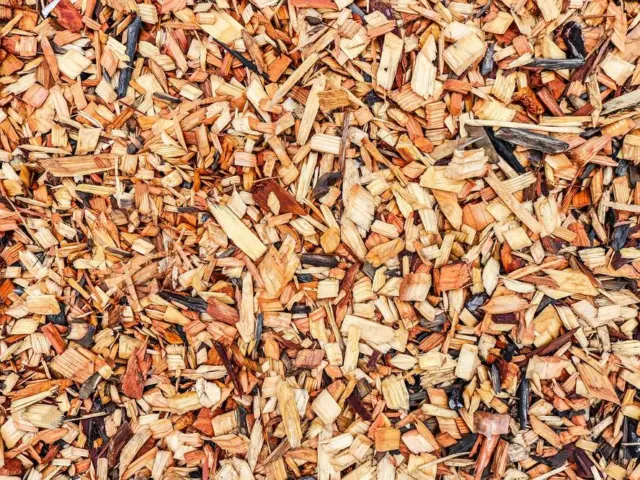
Mulch is the cheapest tool in an organic garden. The Royal Horticultural Society notes that mulches help soil retain moisture in summer, rain to penetrate the soil in winter, prevent weeds from growing and protect the roots of plants in winter. As an organic material breaks down it also feeds soil life, which reduces the need for soluble feed. Materials commonly used include well-rotted compost, leaf mould, chipped bark and straw, and each has its own strengths and cautions.
Depth makes more difference than the choice of material. The RHS says that to save water and suppress weeds, the type of organic material you choose is less important than putting on a thick enough layer, and that biodegradable mulches need to be between at least 5cm (2in) and ideally 7.5cm (3in) thick. It adds that mulches are best applied from mid- to late spring, before annual weeds have germinated, and in autumn as plants die back, over moist soil after weeds have been removed.
A few cautions apply. Mulch should not be piled against the stems of trees and woody shrubs, because that can encourage rot and disease, and a mulch that carries weed seeds or disease can introduce problems of its own. Because a thick layer also slows evaporation, beds under mulch usually need watering less often, but it is still worth checking the soil beneath by hand rather than judging by the surface. Choices of material, depth and timing for different beds are laid out in the guide to garden mulch.
Mulch and compost also work together on the water side of the garden. The RHS observes that thicker layers will block sunlight from weeds, insulate the soil better and reduce the amount of water evaporating, and the Wisconsin guidance on compost makes a similar point about soil that holds moisture and nutrients better. Together they make dry spells easier to manage in any bed.
Managing pests without synthetic pesticides
Pest control in an organic garden follows a ladder: prevention first, then monitoring, then the least risky control that works. This mirrors integrated pest management, which the EPA describes as an effective and environmentally sensitive approach to pest management that relies on a combination of common-sense practices. The agency adds that the same principles used on large farms can be applied in a home garden, and it contrasts them with organic production, which applies many of the same concepts as IPM but limits the use of pesticides to those that are produced from natural sources, as opposed to synthetic chemicals.
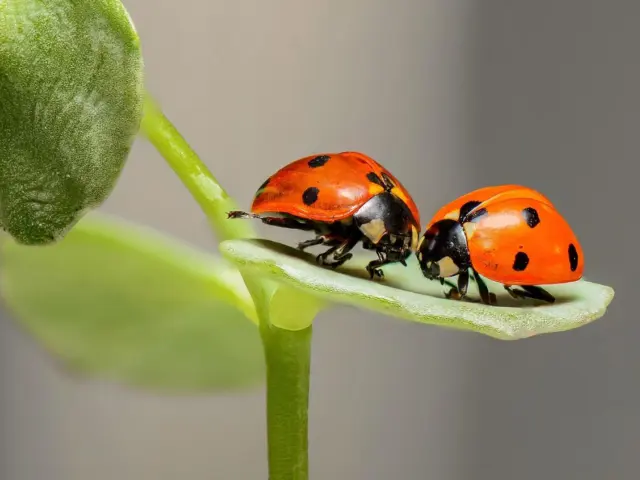
Prevention covers most of the work. Healthy soil, correct spacing, resistant varieties, crop rotation, clean tools and prompt removal of diseased material all make plants less appealing and less vulnerable. Barriers such as row covers and nets keep many insects off crops without any spray. Beneficial insects and birds also help when the garden offers them shelter, water and flowers.
Monitoring and identification come next. The EPA stresses that sighting a single pest does not always mean control is needed, and that not every insect or weed requires action, since many organisms are harmless and some are beneficial. Identifying the culprit correctly before acting avoids treating the wrong problem. Hand-picking, a jet of water, traps and hoeing are mechanical options that carry little risk to people, pollinators or water.
Some gardeners also use plant partnerships to discourage pests or attract helpful insects. The evidence for particular pairings varies from well supported to anecdotal, and the article on companion planting goes through common combinations and what research has found. Methods that stay within organic principles, from traps and barriers to approved sprays, are collected in the guide to organic pest control.
Sprays are the last step, and “natural” products need the same care as any other. The EPA explains that biopesticides are certain types of pesticides derived from such natural materials as animals, plants, bacteria, and certain minerals, which means they are still pesticides and are still regulated. The label is the legal instruction: it states the crops, the pests, the timing and the safety precautions, and it should be followed exactly. The EPA’s IPM guidance also says that broadcast spraying of non-specific pesticides is a last resort. For advice tailored to a particular pest or region, a state extension service or Master Gardener programme is the right contact.
Putting it together through the growing year
A season of organic gardening follows a natural rhythm. Late winter and early spring are for planning, ordering seed and sending off a soil sample. Spring is for adding compost to beds, sowing and planting, and laying mulch once the soil has warmed. Summer is mostly watering, weeding, harvesting and watching for early signs of pests or disease. Autumn is for clearing spent crops, adding leaves and compost, mulching bare soil, and starting or turning the compost pile for the year ahead.
Records help more than most beginners expect. A simple notebook or plan showing what grew where, when it was sown, what went wrong and what worked makes crop rotation possible and shows patterns in pests and yields from year to year. Photographs of problems are useful when asking an extension service for help with identification.
It also helps to be realistic. Organic methods build fertility gradually, so the first season may be more modest than later ones, and some pests will always get a share. The measure of a good organic garden is not a spotless crop but soil that improves each year, plants that are resilient, and a minimal reliance on bought-in inputs. The guides linked above can be read in any order, depending on whether soil, compost, mulch or pests is the pressing concern.
Frequently asked questions
Is a home garden required to be certified to call itself organic?
The national standards apply to agricultural products that are sold, and the National Organic Program also accredits third-party organizations to certify that farms and businesses meet the national organic standards. A household growing food only for itself is not part of that system, though the standards remain a handy reference for which inputs are allowed.
Where is the best place to start for a first garden?
Start with the site and the soil. Choose a spot with at least six hours of direct sunlight each day, good drainage and a nearby water source, then add compost and grow a small number of easy crops before expanding.
How often should garden soil be tested?
Advice depends on the region and the situation. Mississippi State University Extension, writing about acid soils that need lime, advises that soil test every three years to determine if additional lime is needed. A local extension office can recommend a schedule that suits local soils, and a first test before planting gives the baseline.
Are natural pest sprays always safe to use?
No. Natural origin does not remove the need for care, because biopesticides are regulated pesticides with labels that must be followed. Prevention, monitoring and mechanical controls come first, and a spray is the final step, as the EPA’s integrated pest management principles set out.
What can safely go into a compost pile?
Fruit and vegetable scraps, coffee grounds, dry leaves, twigs and shredded plain paper are all suitable. The EPA advises keeping meat, dairy and greasy foods out of a backyard pile, along with pet waste, diseased plants and treated wood.