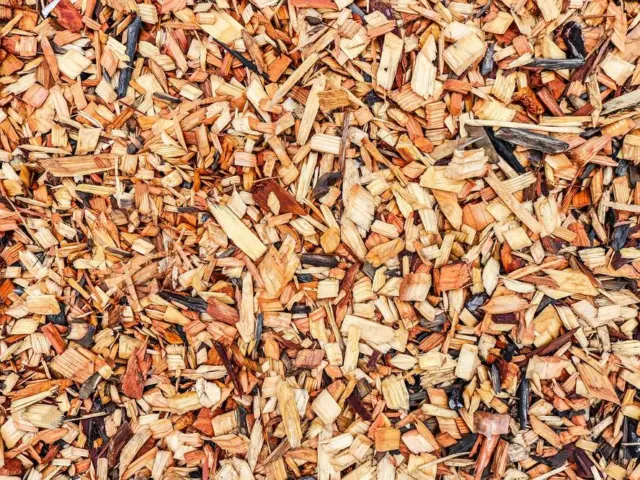
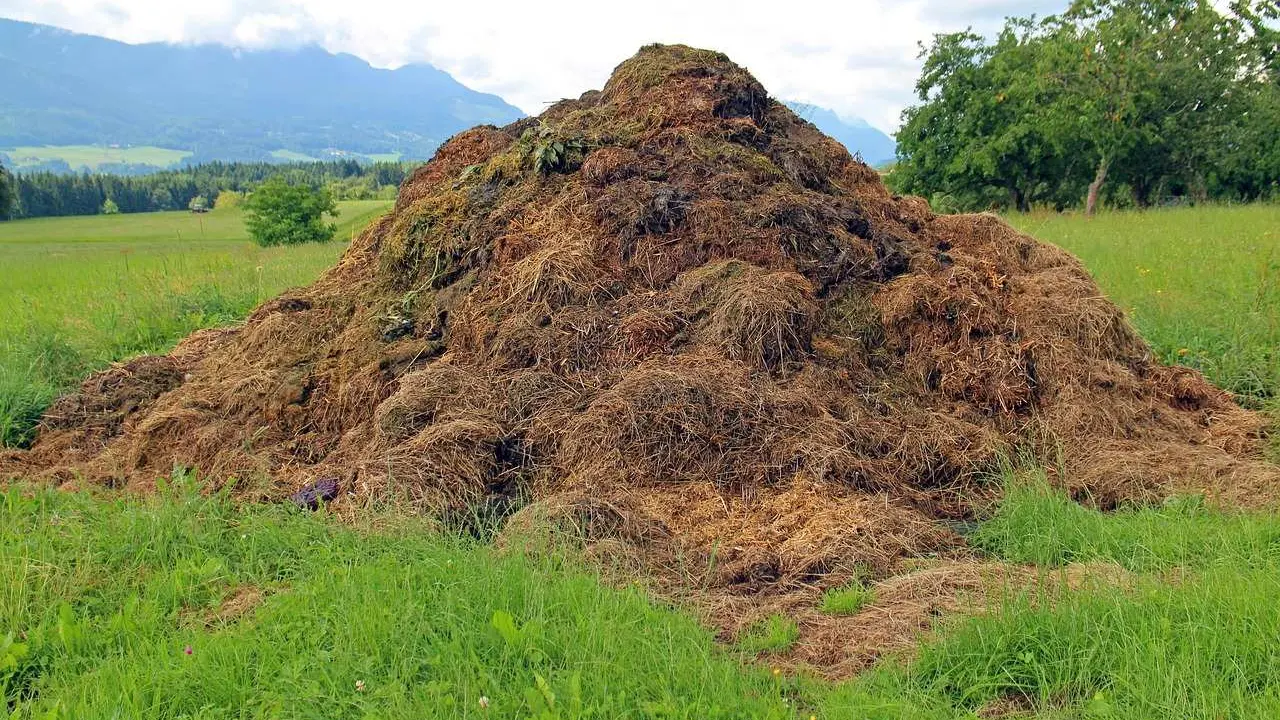
Colorado State University Extension defines an organic fertilizer as a product derived from natural sources that contains at least one essential available plant nutrient. Examples include plant and animal by-products, rock powders and seaweed.
This guide belongs to the wider organic gardening for beginners series and covers the main types, how their nutrients become available to plants, and the official food-safety guidance for manure.
What the term covers
Definitions differ a little between extension services. Colorado State separates the terms soil amendment, fertilizer and organic fertilizer: a soil amendment is any material mixed into soil to improve its properties, while a fertilizer is a product that contains at least one essential available plant nutrient. The same fact sheet adds that compost and manure, which many gardeners apply as soil amendments, typically do not meet the legal requirements of a fertilizer.
Iowa State University Extension describes organic fertilizers as derived solely from the remains or byproducts of a once-living organism. Oregon State University Extension also counts finely ground rock minerals, such as limestone and rock phosphate, among the organic fertilizers.
Main types and what they supply
Colorado State groups organic fertilizers into plant by-products, animal by-products, rock powders and seaweeds. Plant by-products include alfalfa meal, corn gluten meal, cottonseed meal and soybean meal. According to the Colorado State fact sheet, corn gluten meal has allelopathic properties that will inhibit seed germination, with no danger to established or transplanted plants, and soybean meal may inhibit germination, so it should be applied several weeks before planting. It also cautions that many pesticides are applied to cotton crops and residues tend to remain in the seeds, and that pesticide-free cottonseed meal is available.
Animal by-products include blood meal, bone meal, feather meal, fish products and bat guano. The same fact sheet describes blood meal as one of the highest non-synthetic sources of nitrogen that can burn plants if over-applied, and describes feather meal as having fairly high nitrogen levels but being slow to release it. Bone meal is a well-known source of phosphorus, although recent Colorado State research found that its phosphorus is only available to plants in soils with a pH below 7.0.
Among rock powders, Colorado State research concluded that no rock phosphorus, regardless of mesh size, is available for plant use unless the soil pH is below 7.0. The fact sheet is written for Colorado conditions: it says gypsum and lime are typically not needed there because many soils have naturally high calcium levels. For seaweeds, it says kelp is valued not for its nitrogen, phosphorus and potassium contributions but for its micronutrients.
| Material | Typical NPK analysis | Release time |
|---|---|---|
| Alfalfa meal or pellets | 2-1-2 | 1-4 months |
| Blood meal | 12-0-0 | 1-4 months |
| Bone meal | 3-15-0 | 1-4 months |
| Feather meal | Nitrogen 7-12%, varies with processing | 4+ months |
| Fish powder | 12-0.25-1 | Immediate to 1 month |
| Kelp meal | Negligible | 4+ months |
The table lists typical values for selected materials from Colorado State University Extension; its release-time column refers to how long each product is available if applied to the soil. Values vary between sources: Iowa State lists blood meal at 10-0-0 and says its list does not represent a guaranteed analysis. Oregon State explains that the first number in an N-P-K ratio tells you the nitrogen content.
How the nutrients are released
Colorado State explains that nutrients in organic fertilizers are often in a form plants cannot take up and need to be converted by soil microorganisms into bioavailable forms. As a result, organic fertilizers often release nutrients more slowly than inorganic fertilizers and can also improve soil properties through added organic matter. The fact sheet states that microorganism activity depends on soil temperatures greater than 50°F with sufficient soil moisture, and that dry or cold soil delays the release of nutrients.
Oregon State makes a related point: the conversion takes time, especially in cold soil when microbial activity is low, which matters particularly for nitrogen availability early in the season. It also says that if organic matter that has not fully composted, such as strawy manure or fresh cover crops, is added, microbes will use soil nitrogen to break it down, leaving less for plants, which can result in poor color and stunted growth.
Iowa State lists these advantages: organic fertilizers seldom burn plants because of their low analysis, and the nutrients reach plants relatively slowly over time, allowing less frequent applications. The disadvantage it names is that, because they release nutrients slowly, the nutrients may not be immediately available. Oregon State adds that organic fertilizers may cost more and deliver fewer nutrients pound for pound, but that they improve water movement and gradually build soil structure.
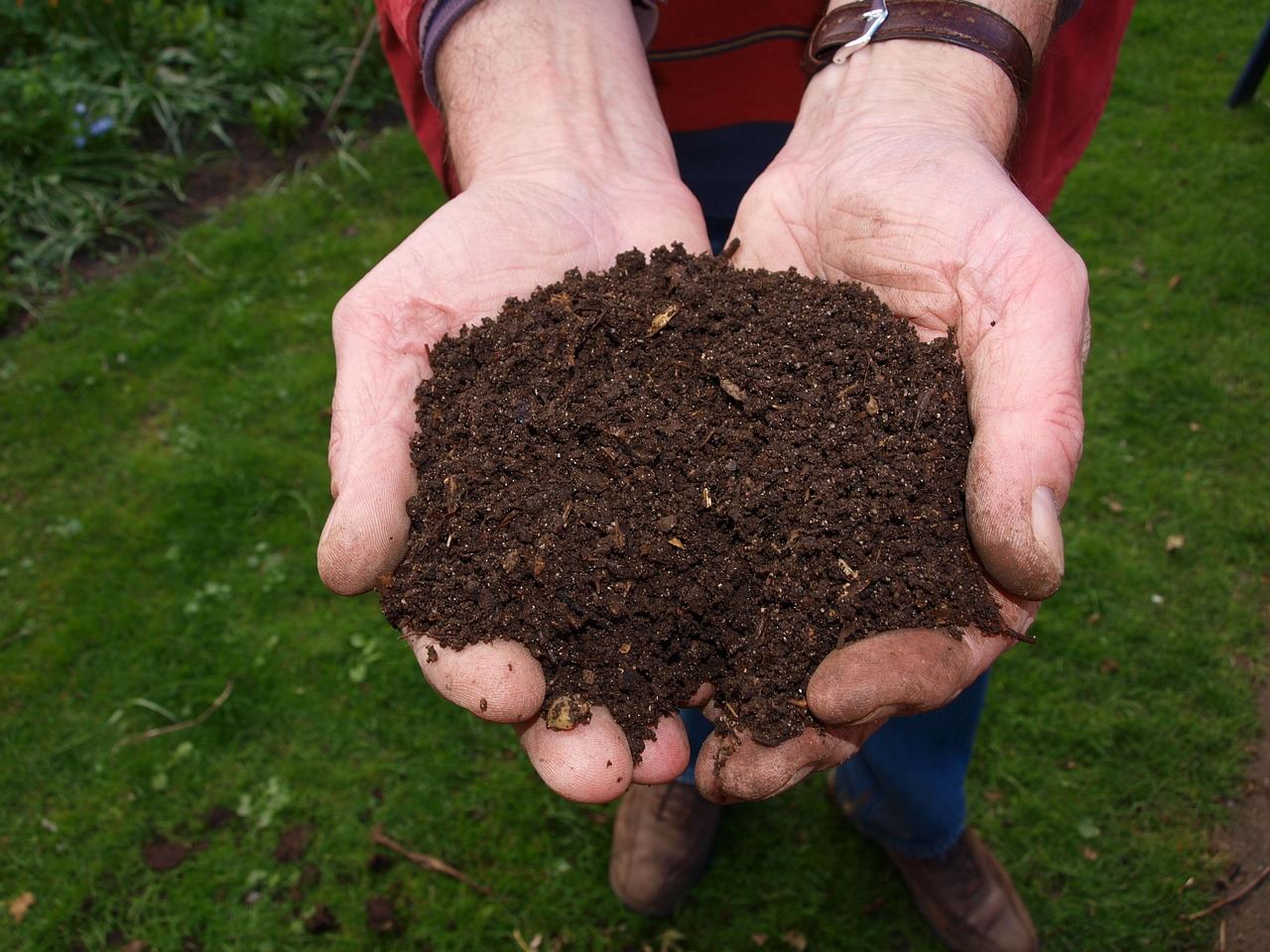
Extension services describe timing in different ways. Colorado State gives blood meal a release time of 1-4 months in the table above, a period that refers to how long the product is available if applied to the soil. Oregon State instead describes the speed of release, listing blood meal as slow release over two to six weeks.
Manure, compost and food safety
Virginia Tech Extension notes that manure is a valuable source of nutrients but also one of the greatest potential sources of pathogens that can cause foodborne illnesses. It says manure can contain harmful bacteria such as E. coli O157:H7, Salmonella and Listeria monocytogenes, as well as viruses and parasites, and that human manure, raw or composted, should never be used on food crops. Oregon State likewise warns that fresh manure can damage plants and may contain excess salts, viable weed seeds or even human pathogens.
The Virginia Tech publication adds that several other animal-derived amendments must be considered untreated unless they have undergone a scientifically validated process to eliminate pathogens: manure that is only aged or stacked, bone meal, blood meal, feather meal, fish emulsion, manure slurries and manure teas, among others.
The federal organic soil fertility standard says raw animal manure must be composted unless it is applied to land used for a crop not intended for human consumption, or incorporated into the soil not less than 120 days before harvest of a product whose edible portion has direct contact with the soil surface or soil particles, or not less than 90 days before harvest of a product whose edible portion does not. Virginia Tech, in a publication last reviewed in January 2025, describes the same intervals as National Organic Program recommendations and says FDA is continuing to evaluate research to determine appropriate application intervals for raw manure. It advises checking FDA periodically for the latest information on the Produce Safety Rule.
For raw manure, the Virginia Tech guidance lists these precautions:
- Use raw manure to build fertility before planting with cover crops or crops that do not touch the soil.
- Do not topdress fruit and vegetable crops with raw manure, and incorporate manure into the soil.
- Wait at least 90 days before harvesting any crop where the harvestable portion does not come in contact with the soil after incorporation of raw manure, such as tomatoes, peppers and okra.
- Wait at least 120 days before harvesting if using raw manure with crops where the harvestable portion comes in contact with the soil, such as potatoes, carrots, beets and lettuce.
- Store raw manure away from growing areas, and prevent runoff from manure piles from reaching growing areas.
- Treat aged or stacked manure that has not been properly composted as raw manure.
- Avoid tracking raw manure into active growing areas with machinery or boots.
- Give beds growing root crops like carrots only well-composted manures at planting.
Proper composting is the alternative. Virginia Tech states that the internal temperature of the compost pile must reach between 131°F and 170°F and be maintained at those temperatures for specific lengths of time: at least three days in a vessel or aerated static pile, followed by a managed curing process, or 15 days in a windrow or non-aerated pile, which must also be turned at least five times, as set out in the same publication. Manure composted by one of these methods can be used in the growing area without a waiting period between application and harvest, but Virginia Tech says it should still be applied so that it is unlikely to contact the harvestable part of the plant. For certified organic production, the compost definition in the federal organic standard also requires a process that established an initial C:N (carbon-to-nitrogen) ratio of between 25:1 and 40:1. Liquid preparations made from compost are a separate topic, covered in the compost tea guide.
Organic fertilizers and organic certification
Colorado State says organic fertilizers should not be confused with substances approved for use with the USDA National Organic Program, which, with its “USDA Organic” label, allows the use of only certain substances. It explains that the Organic Materials Review Institute and the Washington Department of Agriculture review brand-name products, and that a fertilizer without such approval may still be allowed for organic production but has not been reviewed and deemed suitable for use in certified production. The fact sheet advises growers participating in the program to consult their certifier to ensure compliance.
The regulation also states that a producer must not use any fertilizer or composted plant and animal material that contains a synthetic substance not on the National List of allowed synthetic substances, and must not use sewage sludge (biosolids), as set out in the same federal standard. Readers who need to follow these rules should check the current official rules with their certifier.
Working out how much to apply
Colorado State advises conducting a soil test before applying a fertilizer, to determine what deficiencies the soil might have; the garden soil test guide explains how to read the results. Iowa State adds that the best practice is to be conservative, to experiment with the amount applied and observe how plants respond, because more nutrients can be added if needed but an overzealous application cannot be easily undone.
For placement, Iowa State says to spread the fertilizer over the garden area and incorporate it into the top 6 to 8 inches of soil, and that fall is a good time to add manure to garden spaces. As a general rule for vegetable gardens, Oregon State gives 3 pounds of actual nitrogen per 1,000 square feet per year. Colorado State notes that the application rates in its own fact sheet are generalized and based on some manufacturers’ recommendations, so over- or under-fertilization may occur using them. This site does not recommend products or amounts; the extension publications above are the place to read the details.
Frequently asked questions
What is the difference between a soil amendment and a fertilizer?
Colorado State describes an amendment as any material worked into soil to improve its properties, whereas a fertilizer must supply at least one essential plant nutrient in available form.
Why do organic fertilizers work more slowly?
Soil microorganisms must first convert their nutrients into forms plants can use, so Iowa State and Colorado State both describe the release as slow, and Colorado State says cold or dry soil delays it.
Can raw manure go straight onto vegetables?
Virginia Tech says raw manure can be used only with precautions, including incorporating it into the soil, not topdressing, and observing waiting periods before harvest; manure composted by the methods it describes can be used without a waiting period, though it should still be applied so that it is unlikely to contact the harvestable part of the plant. See the full guidance.
Does buying an organic fertilizer mean it is allowed in certified organic production?
Not necessarily. Colorado State says a product not reviewed by OMRI or the Washington Department of Agriculture may still be allowed but has not been reviewed for certified use, and recommends consulting a certifier.