
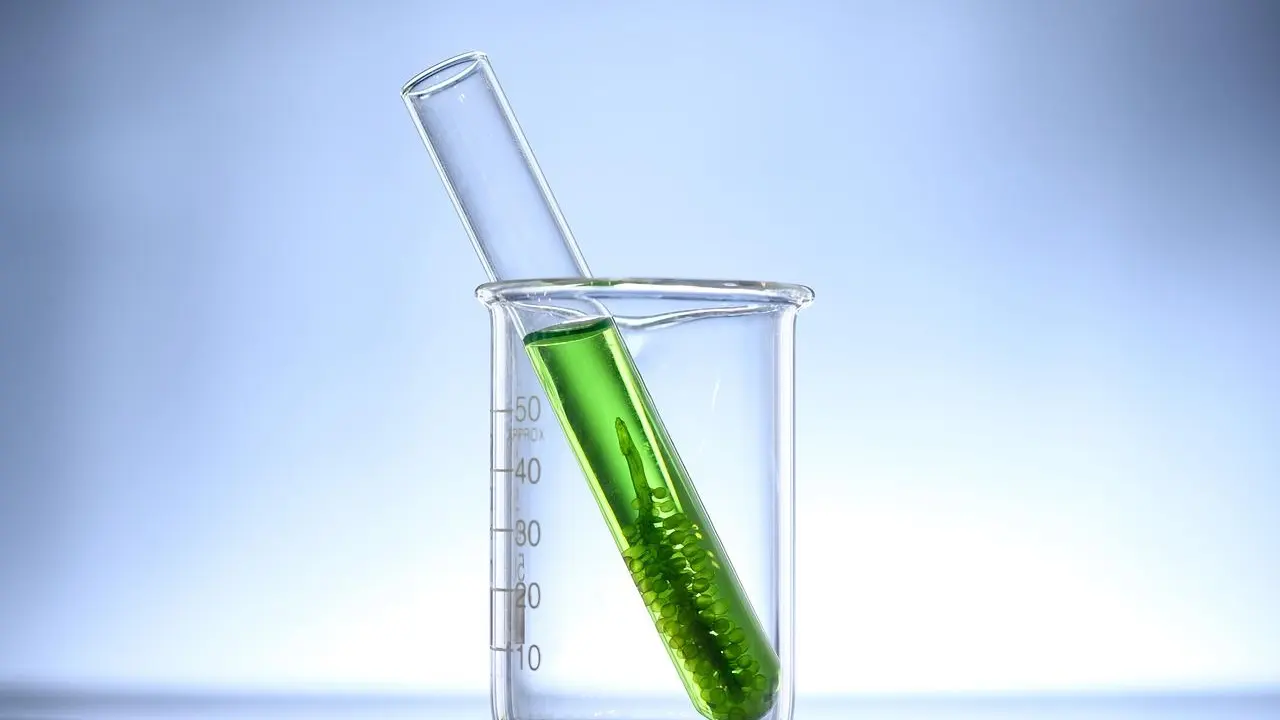
Algae biofuel is liquid fuel made from algae, usually microalgae grown in water and converted into oils that can be refined into diesel, jet fuel or gasoline. It remains mostly a research and pilot-scale technology.
The fuel pathway is one branch of algae biomass energy, which covers the wider ways algal biomass can supply heat, power and fuel.
What algae biofuel is and why algae are used
The US Department of Energy describes its Advanced Algal Systems work as research and development to lower the costs of producing algal biofuels and bioproducts. The agency adds that algal biomass includes microalgae, macroalgae and cyanobacteria, and most fuel research concentrates on the microscopic forms.
Algae attract fuel researchers for practical reasons. According to the DOE production overview, the resources needed to grow algae viably include non-arable land, non-potable water, waste nutrient streams and waste carbon dioxide. That means algae do not have to compete directly with food crops for farmland or fresh water, at least in principle.
Algal biomass development, the same page explains, focuses on properties such as a fast growth rate and high oil content. Researchers search for new strains in the wild and also investigate improvements from breeding and genetic engineering.
How algae are grown for fuel
Cultivation is the first stage of any algae biofuel system. DOE lists cultivation systems that include open ponds, attached growth systems and closed photobioreactors, and says these systems must minimize resource use and costs while maximizing productivity.
Open raceway ponds are shallow, paddle-stirred channels. They are cheap to build but exposed to weather, contamination and evaporation. Closed photobioreactors keep the culture in transparent tubes or panels, which gives tighter control over temperature and light at the price of higher equipment cost.
Whatever the design, the cultivation strategy has to manage crop protection, water and nutrient supply, light, temperature and seasonal change in the culture. Because sunlight drives growth, the choice of site matters. The same sunlight that powers a solar array, explained in how solar panels work, is what feeds an algae pond through photosynthesis.
From pond to fuel: harvesting and dewatering
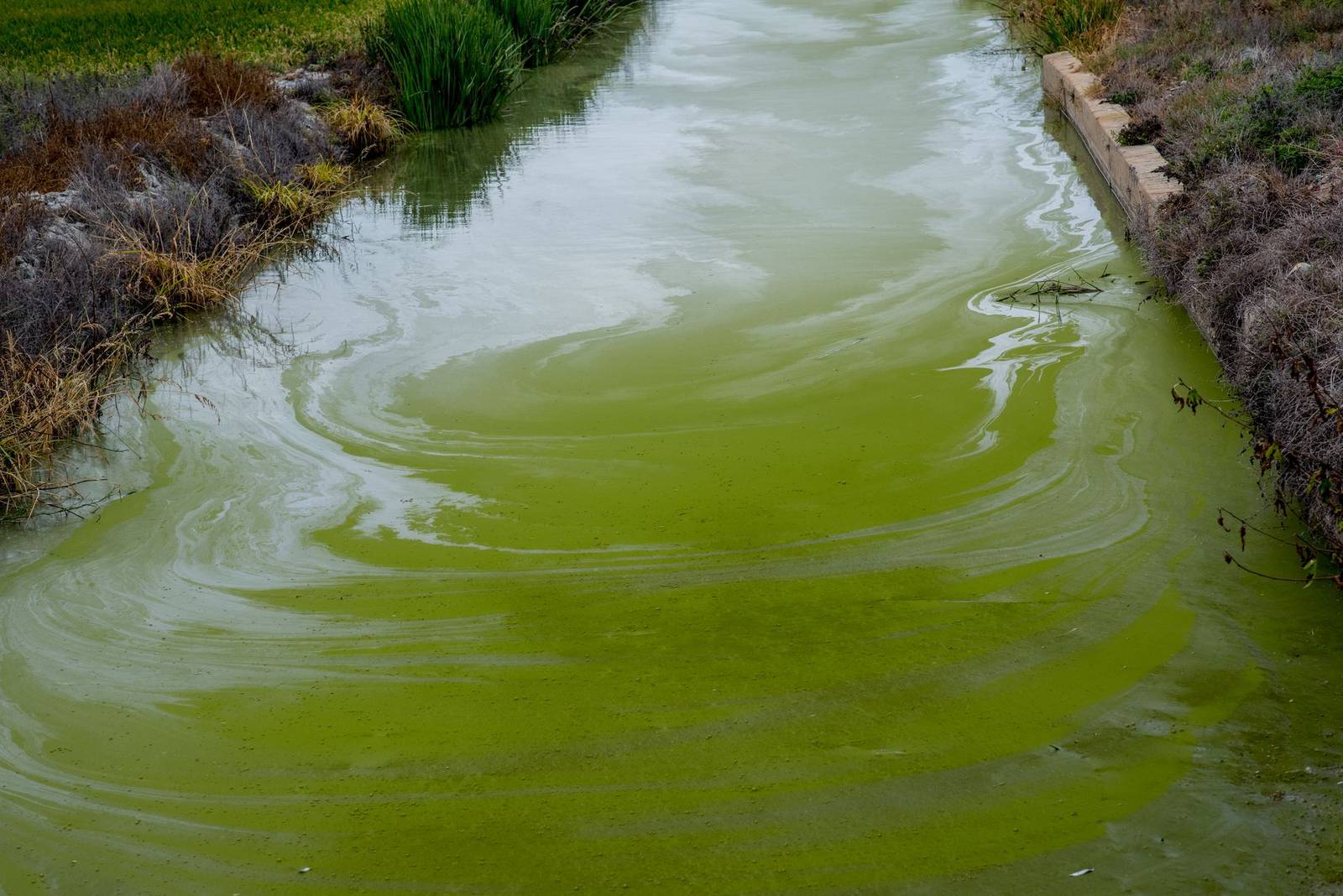
Algae grow in very dilute water, so the next stage is separating the cells. The DOE logistics page says that logistical systems generally include harvesting algae from the cultivation system and then dewatering and concentrating the biomass so that it is suitable for preprocessing and, later, refining into a biofuel.
Dewatering is a known bottleneck. The same page notes that microalgae and cyanobacteria grow at dilute concentrations, so new technologies are needed to isolate algal solids cost-effectively from high-volume, low-concentration effluents. Centrifugation and membranes are typically used for concentrating the solids, and the page says innovative adaptations are still needed to cut energy requirements and costs.
Harvesting can happen continuously or in daily or weekly batches, and it can be timed to take advantage of the natural growth cycle of the algae.
Turning algal biomass into fuel
DOE describes preprocessing as the production of energy-dense intermediate products from harvested biomass. As the logistics page puts it, the steps could include extracting lipids from algal cells or subjecting whole algal cells to high heat and pressure in a process known as hydrothermal liquefaction. The end products are suitable for refining into biofuels such as diesel, jet fuel, gasoline or ethanol.
The main conversion routes can be grouped as follows.
- Lipid extraction and transesterification. Oils are extracted from the cells and reacted with an alcohol and a catalyst to make biodiesel. A peer-reviewed review gives the lipids of microalgae as ranging from 20 to 50%, a share that depends heavily on strain and growing conditions.
- Hydrothermal liquefaction. Wet algae are heated under pressure to give a crude oil, called biocrude, plus liquid, gas and solid byproducts. This route avoids drying the biomass completely, and the biocrude is then refined into transportation fuel.
The Pacific Northwest National Laboratory analysis reported by DOE found that the higher the lipids, the higher the yield of biocrude, which can help lower the price.
Siting, resources and sustainability questions
Where an algae farm is built matters as much as how it is run. In the DOE production overview, resource analysis includes identifying potential geographic locations for algal farms based on resource access and availability, estimating costs for current and future resources, and assessing the environmental renewability of resource use.
These questions explain why waste streams feature so often in algae research. Growing algae on waste nutrients and waste carbon dioxide could reduce the need for purchased inputs, but it also ties a facility to a nearby source of those wastes and to enough sunlight and supporting infrastructure to reach downstream processing operations.
Scaling up is the difficult part. DOE states that development of an algal biofuel industry requires scaling up to use a significant amount of these resources, which is why siting studies and resource budgets are treated as research topics in their own right rather than afterthoughts.
Cost, co-products and the main obstacles
Cost is the central obstacle. In the same DOE-reported study, the simulated biocrude price still ranged between $5 and $16 per gasoline-gallon equivalent because of uncertainties in algae production cost. The researchers found that the price was largely driven by the cost of the algae feedstock, which accounts for about 90% of the finished product price. The analysis points to algae composition and capital funding as the biggest sources of uncertainty. These figures describe one modelling study, not a market price.
Co-products are part of the answer. DOE’s logistics page states that the algal components that will not be converted to biofuels can comprise 40%–75% of the biomass moving through the logistical system. Processing that remaining biomass can provide nutrients and power back to the system, or it can be converted to co-products such as animal feeds or commodity chemicals, as set out on the logistics page.
Other hurdles include standard methods to measure algal components. DOE notes that the fundamental components of algae, such as lipids, starches and proteins, vary greatly among strains, and that standard procedures to quantify them reliably are not readily available.
Where algae biofuel fits in the energy picture
Algae biofuel is best understood as a developing option rather than a finished industry. The DOE program states that its work will help researchers realize the potential of an algal biofuel industry capable of producing billions of gallons per year of renewable diesel, gasoline and jet fuels, a goal that depends on cutting costs further.
Algae are also being studied for their ability to absorb carbon dioxide during growth, a topic covered in algae carbon capture. Whether a given system lowers net emissions depends on the energy used for growing, harvesting and processing. Readers following funding, standards or fuel programs should check the current official rules and agency pages, since research priorities change.
Frequently asked questions
Is algae biofuel available at the pump?
Algae-derived fuel is still mainly a research and pilot-scale technology, and the main obstacle is the cost of producing algae and converting it into fuel.
Which fuels can be made from algae?
The Department of Energy lists diesel, jet fuel, gasoline and ethanol as products that algal intermediates can be refined into.
Do algae need farmland to grow?
DOE lists non-arable land and non-potable water among the resources for growing algae, so cultivation does not necessarily compete with food crops.
What is hydrothermal liquefaction?
It is a process that subjects whole algal cells to high heat and pressure, producing biocrude that can be refined further into transportation fuel.