
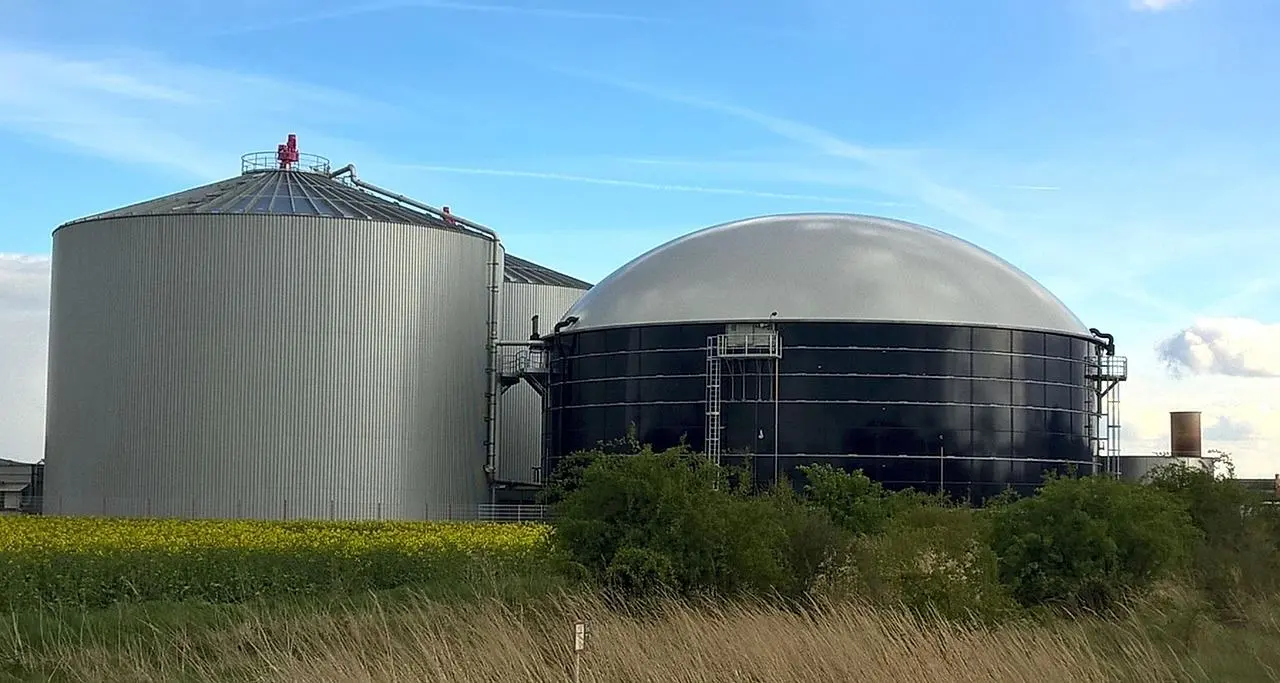
Renewable natural gas is biogas from landfills, farms and wastewater plants that has been cleaned until it can replace fossil natural gas in pipelines, vehicles and boilers.
It is one of several routes for turning organic material into usable fuel, and the hub guide to algae biomass energy places gas fuels alongside the other biomass pathways.
What renewable natural gas is
The US EPA describes renewable natural gas, usually shortened to RNG, as biogas that has been upgraded for use in place of fossil natural gas. The agency also notes that the term is not formally standardised: there is at present no standard definition, and its own description was developed by its voluntary programs. The Alternative Fuels Data Center, run for the US Department of Energy, calls RNG a pipeline-quality gas that is fully interchangeable with conventional natural gas, and says biomethane is another term for the same purified fuel.
The difference between the raw and the finished product is mostly a matter of methane content. According to the EPA’s RNG page, raw biogas has a methane content between 45 and 65 percent, depending on the feedstock, and must go through a series of treatment steps. Once upgraded, the product gas has a methane content of 90 percent or greater, and RNG injected into a natural gas pipeline typically sits between 96 and 98 percent. The US Energy Information Administration adds that raw biogas is made up mostly of methane and carbon dioxide.
Where the biogas comes from
RNG can begin as the gas that forms when bacteria break down organic material without oxygen. The EPA lists the main sources as municipal solid waste landfills and anaerobic digester plants at wastewater treatment plants, livestock farms, food production facilities and organic waste management operations.
In its landfill gas overview, the EPA explains that landfill gas is composed of roughly 50 percent methane and 50 percent carbon dioxide, with a small amount of non-methane organic compounds. The same page states that municipal solid waste landfills are the third-largest source of human-related methane emissions in the United States, accounting for approximately 14.4 percent of those emissions in 2022, and that as of September 2024 there were 542 operational landfill gas energy projects. The EIA notes that Clean Air Act regulations require municipal solid waste landfills of a certain size to install and operate a landfill gas collection and control system, and that some landfills simply flare the gas.
Farms and treatment plants rely on controlled digestion instead. The EPA’s AgSTAR program describes anaerobic digestion as a process in which bacteria break down organic matter, such as animal manure, wastewater biosolids and food wastes, in the absence of oxygen inside a sealed vessel. Several materials can be combined in one digester, a practice called co-digestion. The resulting biogas is composed of methane at a relatively high percentage, 50 to 75 percent, plus carbon dioxide, hydrogen sulfide and water vapor. The mechanics of that process, from feedstock to digestate, are covered in the guide to anaerobic digestion biogas production.
A second family of routes uses heat instead of bacteria. The Alternative Fuels Data Center notes that biogas is produced either through a biochemical process, such as anaerobic digestion, or through thermochemical means, such as gasification. Readers who want that second route in detail can follow the overview of biomass gasification.
How biogas is upgraded to pipeline quality
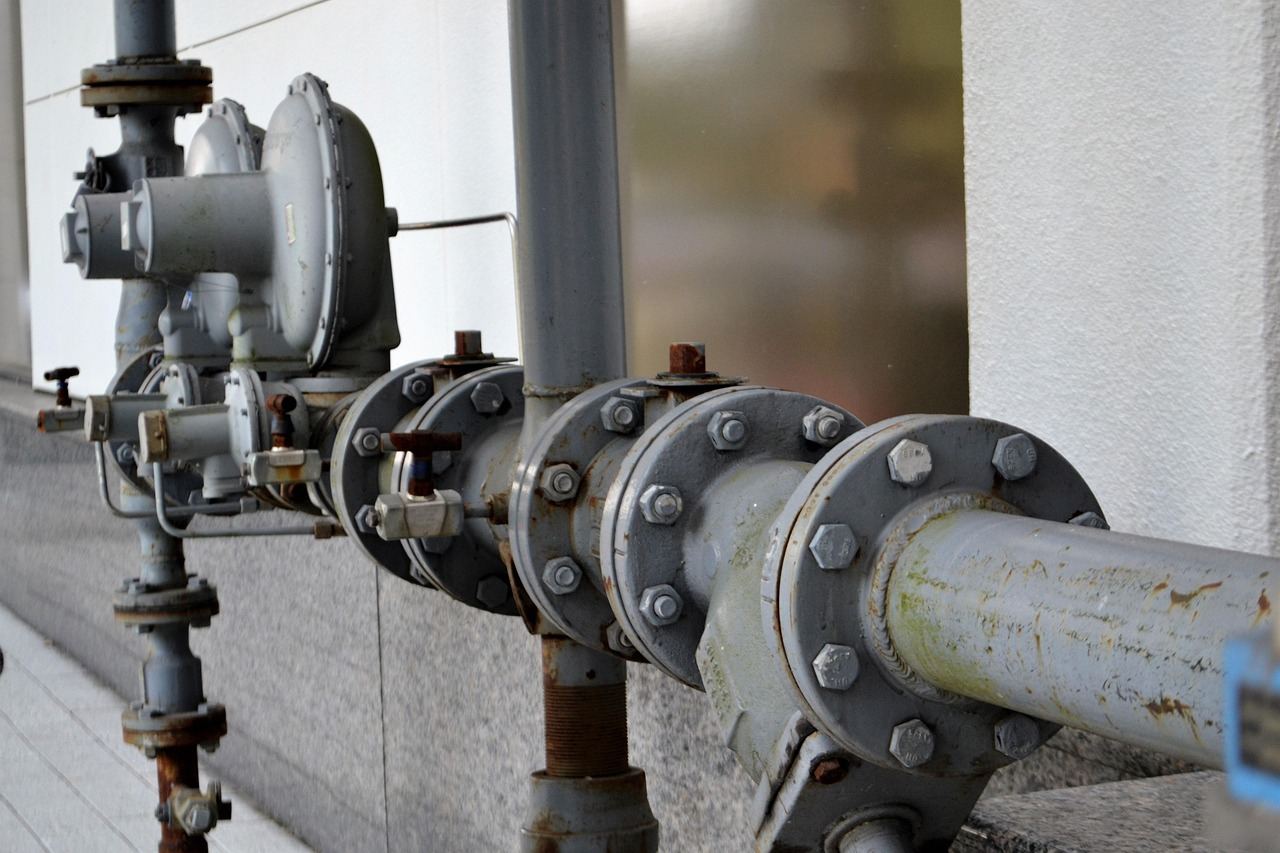
Upgrading, which the Alternative Fuels Data Center also calls conditioning, removes the components that keep raw biogas from being used in place of fossil natural gas. The EPA’s description of the treatment steps covers removing moisture, carbon dioxide and trace-level contaminants, including siloxanes, volatile organic compounds and hydrogen sulfide, and reducing the nitrogen and oxygen content. The EIA gives a similar list and puts the result at a methane content of at least 90 percent. For landfill gas, the EPA’s landfill gas overview adds that the type and extent of treatment depend on site-specific gas characteristics and the type of energy recovery system, and that pipeline injection or vehicle fuel projects require additional cleaning.
Not every digester needs to go this far. With minor cleanup, the Alternative Fuels Data Center says, biogas can generate electricity and heat on site, but fuelling vehicles or feeding a pipeline requires the higher purity standard.
Gas is not the only output. AgSTAR explains that digestion also leaves digestate, the residual material left after the digestion process, which has liquid and solid portions. With appropriate treatment, those portions can be used in many beneficial applications, such as animal bedding, nutrient-rich fertilizer, compost or simply a soil amendment.
From the plant to pipelines, vehicles and heat
Once the gas meets specification, the EPA says it can be used locally at the site where it is created, piped in a dedicated pipeline to an end user, or injected into a natural gas transmission or distribution pipeline. Its listed end uses are thermal applications, electricity generation, vehicle fuel and feedstock for bio-based products. For vehicles, the Alternative Fuels Data Center notes that RNG can be used as compressed natural gas or liquefied natural gas.
The EIA states that RNG is fully interchangeable with fossil-based natural gas and can be injected into natural gas pipelines or used to fuel natural gas vehicles. The EPA’s project counts show how quickly the sector has grown. In its table of operating projects, 2005 shows 2 agricultural and 11 landfill RNG projects, while 2023 shows 135 agricultural and 102 landfill projects, according to the EPA project chart. On the farm side, AgSTAR data and trends report that another 73 livestock digester systems were under construction or being modified to upgrade biogas to RNG in 2024.
Even so, the EIA notes that most of the biogas consumed in the United States is produced from anaerobic decomposition and is used for electricity generation.
Climate and air-quality considerations
The climate case for RNG rests on methane. The EPA states that methane has a global warming potential at least 28 times greater than carbon dioxide and a relatively short atmospheric life of 12 years, so capturing it can produce near-term benefits. For facilities that are not already required to mitigate such emissions, the agency says an RNG project can reduce methane emissions significantly. It also reports that replacing traditional diesel or gasoline with RNG can significantly reduce emissions of nitrogen oxides and particulate matter, which improves local air quality.
The EPA also publishes a two-page set of facility operation best practices aimed at reducing the climate impact of RNG projects by minimizing methane leakage, with separate suggestions for landfills and digester systems.
Rules, credits and where to confirm them
RNG sits inside several fuel and energy programs. The Alternative Fuels Data Center says RNG qualifies as an advanced biofuel under the Renewable Fuel Standard. The EIA adds that biogas also qualifies under California’s Low Carbon Fuel Standard as a feedstock for low-carbon fuels, and that the cellulosic biofuel category of the Renewable Fuel Standard primarily applies to RNG. The EPA mentions that national, state and local incentives may be available depending on the end use, such as credits for production of RNG used for vehicle fuel.
This site is independent, sells nothing and does not give financial, legal or project advice. Programme rules and credit values change over time, so the current pages published by the EPA, the Department of Energy and the relevant state agency are the place to confirm what applies in a particular case.
Frequently asked questions
What is renewable natural gas?
It is biogas that has been upgraded for use in place of fossil natural gas, as described on the EPA’s RNG page.
Is raw biogas the same as renewable natural gas?
No. The EIA states that raw biogas must be treated to produce RNG before it can be used in place of fossil-based natural gas.
Can renewable natural gas use existing gas pipelines?
Yes, once it meets pipeline specifications. The Alternative Fuels Data Center describes RNG as fully interchangeable with conventional natural gas, and the EPA lists injection into transmission or distribution pipelines among its delivery options.
What happens to the material left in a digester?
That residual material is called digestate. AgSTAR says its liquid and solid portions can, with appropriate treatment, be used as animal bedding, fertilizer, compost or a soil amendment.