
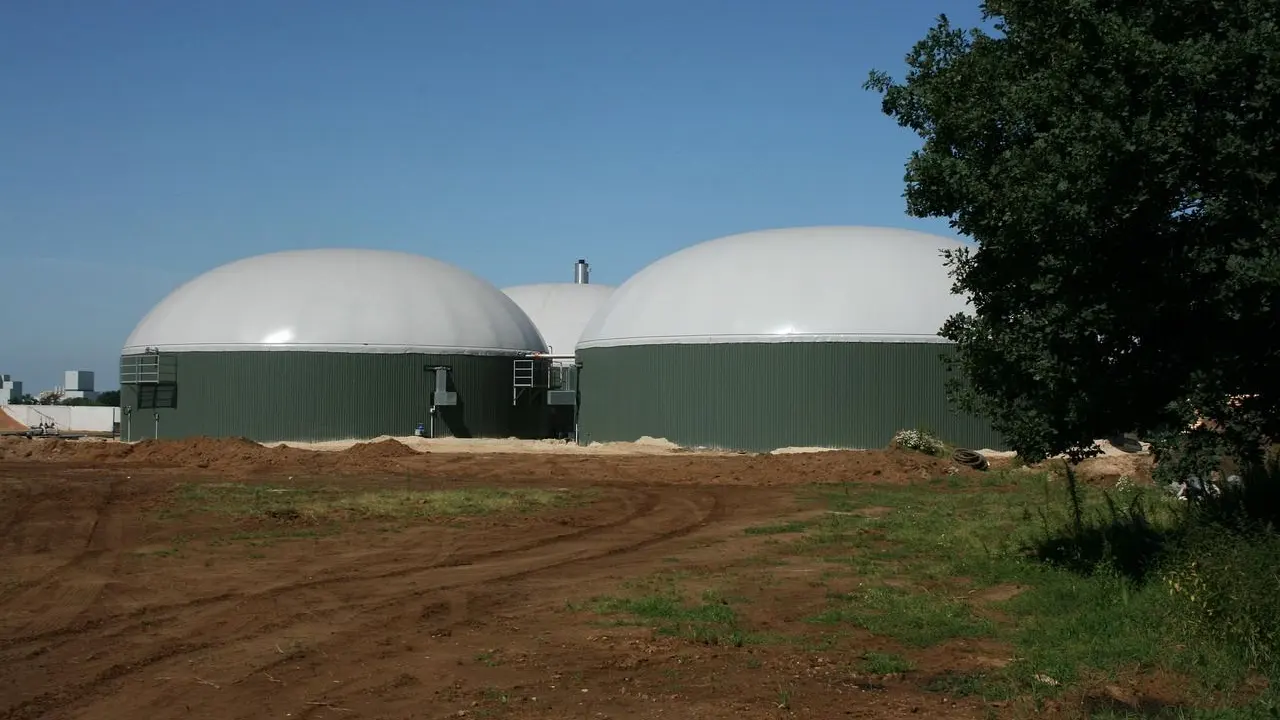
Anaerobic digestion biogas is produced when bacteria break down manure, food scraps and other organic matter in a sealed, oxygen-free tank. The process yields a methane-rich fuel gas and a nutrient-rich leftover material called digestate.
It is one route for turning waste into energy, and it sits alongside the other options covered in the wider guide to algae biomass energy.
Inside a digester
The US EPA AgSTAR programme describes anaerobic digestion as a process in which bacteria break down organic matter, such as animal manure, wastewater biosolids and food wastes, in the absence of oxygen. The work happens in a sealed vessel called a reactor, which is built in shapes and sizes suited to the site and the material being fed in.
Inside the reactor, complex microbial communities digest the waste step by step. The end products are biogas, which collects as a gas, and digestate, the solid and liquid material that leaves the digester.
Feedstocks: manure, food waste and co-digestion
Many kinds of organic material can be digested. According to EPA, several materials can be combined in one digester, a practice called co-digestion. Typical partners for manure include food processing and consumer food waste, energy crops, crop residues, and fats, oils and greases from restaurant grease traps. Co-digestion can raise biogas production from waste that yields little gas on its own or is hard to digest.
The AgSTAR design guidance notes that biogas production suits farms that collect manure as a liquid, slurry or semi-solid, at a single point, and free of large amounts of bedding or other material such as rocks, straw or sand, which can clog pipes. Incoming waste may also need size reduction, and contaminants such as sand or packaging can show up at the facility and must be removed because they can disrupt the system over time. Feedstock is then stored briefly, which evens out fluctuations in the amount and character of the material before it enters the reactor.
The bacteria themselves are sensitive. The same EPA page warns that feed additives with antibiotics, and cleaning compounds such as detergents, acids and halogens, may be harmful to anaerobic bacterial action. Threshold levels have not been established, so operators are advised not to release large quantities of these materials into manure before it is fed to the digester.
Common digester designs
There is no single digester shape. The EPA design page lists several common types, each matched to how a farm handles its manure:
- Covered lagoon: methane is recovered from a lagoon with a flexible cover and piped to a combustion device.
- Plug flow: primarily used at dairy operations that collect manure by scraping.
- Complete mix: an enclosed, heated tank with a mechanical, hydraulic or gas mixing system.
- Batch, induced blanket and fixed film: other designs, from the simplest batch reactor to tanks where bacteria cling to plastic media.
The same page notes that mixed plug flow systems have been used at a wider variety of operations because they can tolerate a broader range of solids concentrations. In practice, AgSTAR data show that covered lagoons and mixed plug flow designs are currently the most common systems accepting livestock manure in the United States.
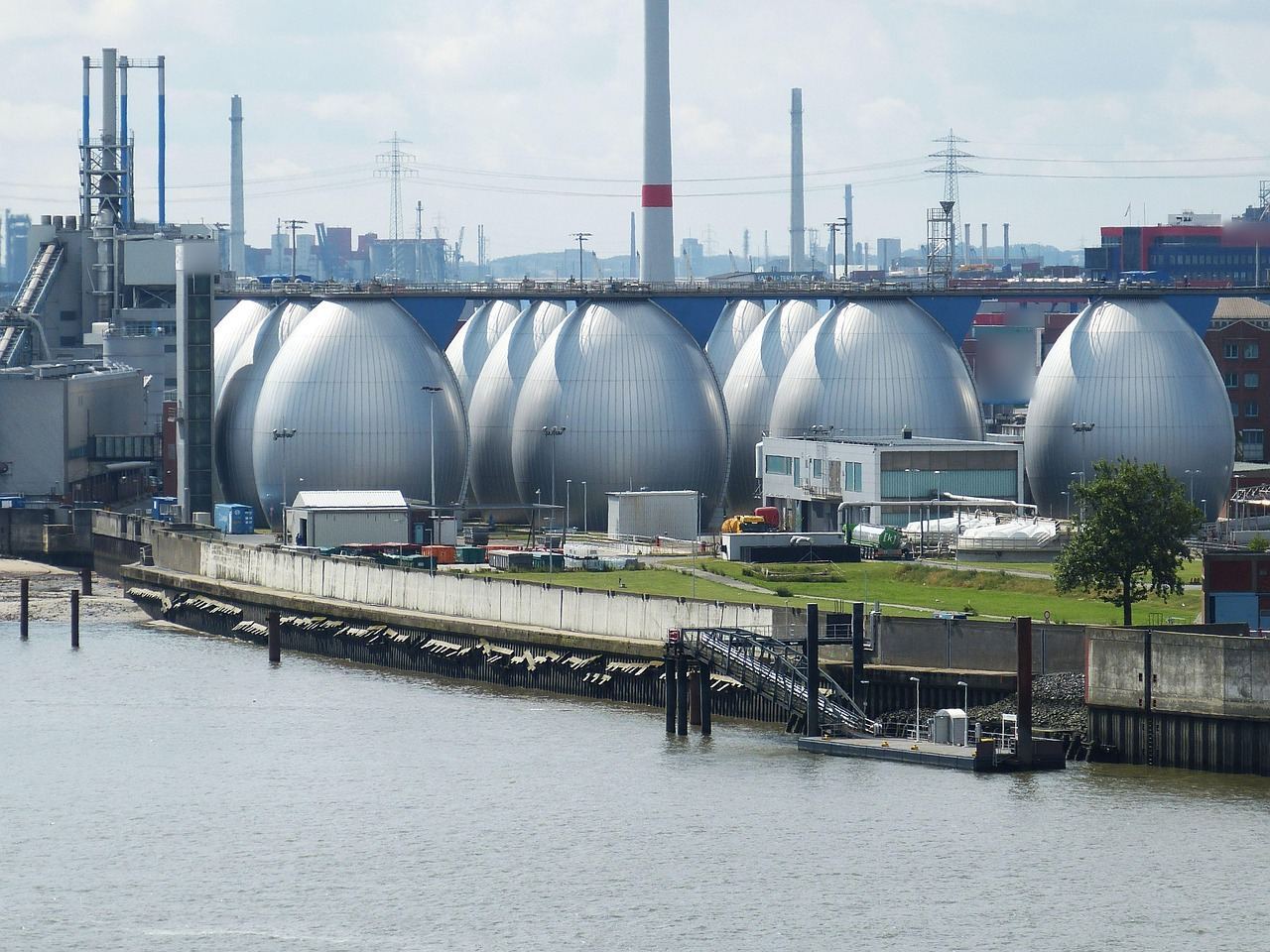
Outputs: biogas and digestate
The first output is the gas. The EPA explains that biogas is made up of methane, the primary component of natural gas, at a relatively high share of 50 to 75 percent, along with carbon dioxide, hydrogen sulfide, water vapor and trace gases. Its energy can be used like natural gas for heat, electricity and cooling.
The second output is digestate. With appropriate treatment, its solid and liquid portions have many uses, including animal bedding from the solids and nutrient-rich fertilizer from both portions. The same EPA page also lists compost, soil amendment and bio-based products as possible destinations. Digestate rules for food and organic farming vary, so growers should check the current official guidance for their situation.
Uses of the biogas
On farms, the AgSTAR guidance says the collected biogas is most often used to generate electricity, and waste heat from the generator can warm the digester or nearby buildings. In most cases the only treatment needed is to remove excess moisture before combustion, though gas with high sulfur content needs hydrogen sulfide removed to prevent corrosion. Flares burn any excess gas, or all of it where the main purpose of the system is odor control or carbon credits.
Biogas can also be cleaned further. The US Department of Energy’s Alternative Fuels Data Center explains that renewable natural gas is essentially biogas processed to purity standards, making it interchangeable with conventional natural gas. It adds that renewable natural gas qualifies as an advanced biofuel under the Renewable Fuel Standard, and that making it involves removing water, carbon dioxide, hydrogen sulfide and other trace elements.
Benefits, limits and scale
The EPA benefits page says digesters can destroy more than 90 percent of disease-causing bacteria that might otherwise reach surface waters, and that odors from digested manure are significantly reduced compared with typical storage and land application. It also notes that digesters can accept food waste from restaurants and grocery stores, which means less food waste goes to landfills.
The AgSTAR data and trends page lists 400 operational manure-based projects in the United States as of June 2024, made up of 343 dairy, 50 hog, 8 poultry and 9 beef systems (the total exceeds 400 because some systems take manure from more than one animal type). For 2023 it reports 3.29 million MWh equivalent of energy generated and 14.8 million metric tons of carbon dioxide equivalent in direct and indirect greenhouse gas emissions avoided.
The same page also gives a technical potential: biogas recovery is technically feasible for over 8,000 large dairy and hog operations, which could potentially generate nearly 16 million MWh of energy per year. EPA adds that although these systems are technically feasible, their economic feasibility can vary.
Digestion is one biological route among several. A different one, in which microalgae take up carbon dioxide as they grow, is covered in the guide to algae carbon capture.
Farm and community reasons for digestion
The EPA benefits page lists several reasons livestock farms adopt digesters. Tipping fees received for managing non-farm organic waste can add revenue and extra biogas. Digesters convert nutrients in manure into a form that is more accessible for plants than raw manure. They also reduce greenhouse gas emissions by capturing methane that may otherwise have been lost to the atmosphere and by displacing fossil fuel energy.
The AgSTAR design guidance adds a practical point about the liquid side: the liquid effluent from a digester can be used as a fertilizer, reducing the purchase of commercial fertilizers. Whether a particular project makes sense is a site-specific question.
Frequently asked questions
What is anaerobic digestion in simple terms?
It is a natural breakdown of organic matter by bacteria in a sealed tank without oxygen. The result is biogas, mostly methane and carbon dioxide, plus digestate.
Can food waste be digested together with manure?
Yes. The practice is called co-digestion, and EPA lists food waste, crop residues and restaurant grease among the materials that can be combined with manure.
What is digestate used for?
EPA lists animal bedding, fertilizer, compost, soil amendment and bio-based products as uses once the material is appropriately treated.
Is biogas the same as renewable natural gas?
Not quite. Renewable natural gas is biogas that has been cleaned and conditioned to pipeline-quality standards, so it can be used like conventional natural gas.