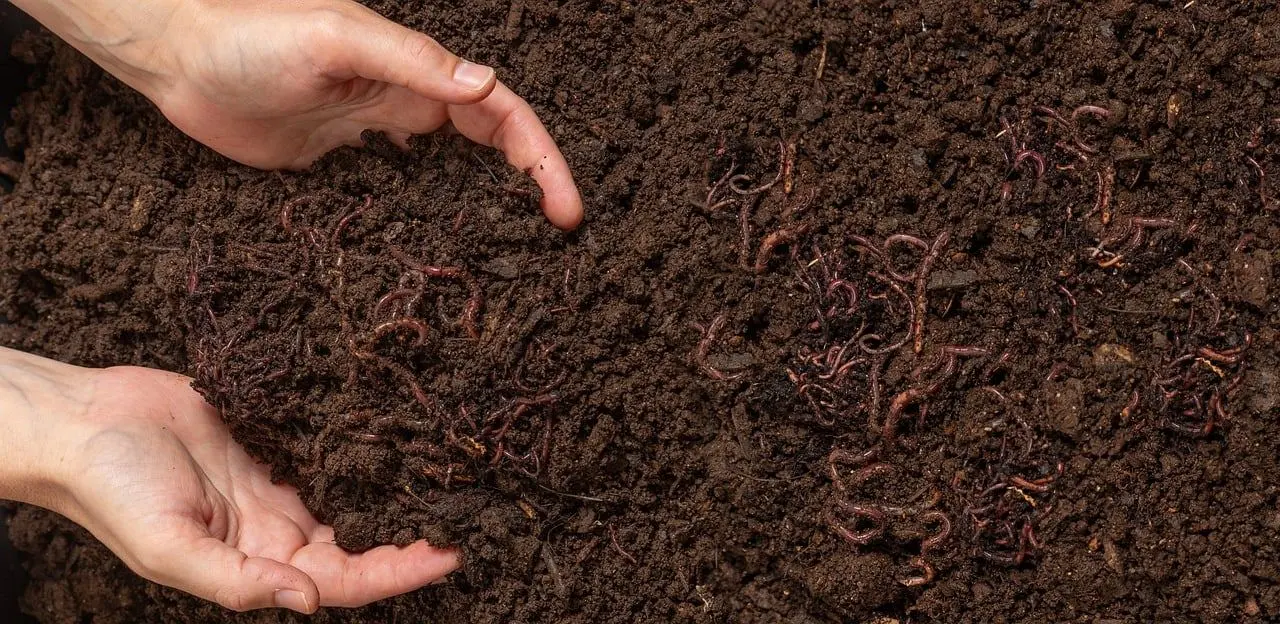
Vermicomposting, or worm composting, uses worms to turn food scraps into vermicompost, a soil amendment. According to the US EPA, it takes up little space and can be done indoors or outdoors.
This page belongs to the wider guide to organic gardening for beginners and covers bin setup, feeding, troubleshooting and harvesting. This independent site is not affiliated with any agency, university or company named here, and it sells nothing.
What worm composting needs
The US EPA lists the basic requirements for worm composting as a container or bin, bedding material, worms and food scraps. The agency adds that if a worm bin is properly maintained, it should not emit odors or attract pests, as set out on its home composting page.
Cornell’s worm composting basics list what worms need to live: worms need moisture, air, food, darkness, and warm (but not hot) temperatures. Bedding made of newspaper strips or leaves holds moisture and contains air spaces that are essential to worms.
The EPA presents worm composting as one of the ways to compost at home, alongside backyard composting. Hot and cold piles are covered in the guide on how to compost at home, while this page stays with worm bins.
Choosing a bin and a spot
According to the US EPA, a worm bin can be purchased or made from untreated wood or plastic storage bins. The bin should have a tight-fitting lid and be a dark color to keep out light. For plastic storage containers, the agency describes drilling air holes around the upper sides of one bin near the lid and drainage holes on the bottom of the same bin, then placing that bin inside a second bin that catches any liquid that drains out.
The same page says a bin can be kept indoors, for example under a sink, in a closet or in a basement, or outdoors in the shade. An outdoor bin, such as one in a garage, carport, porch, deck or apartment balcony, should be insulated with blankets, straw or other materials to keep it warm during colder months. The EPA gives a target bin temperature of 59° to 77° F, and says the worms can survive at 32° to 95° F if they have at least four inches of bedding.
Cornell’s troubleshooting guide gives a different range, stating that worms thrive in temperatures from 55 to 77 degrees F. Its basics page recommends a shallow rather than deep box, because red wigglers are surface-dwellers.
Worms and bedding
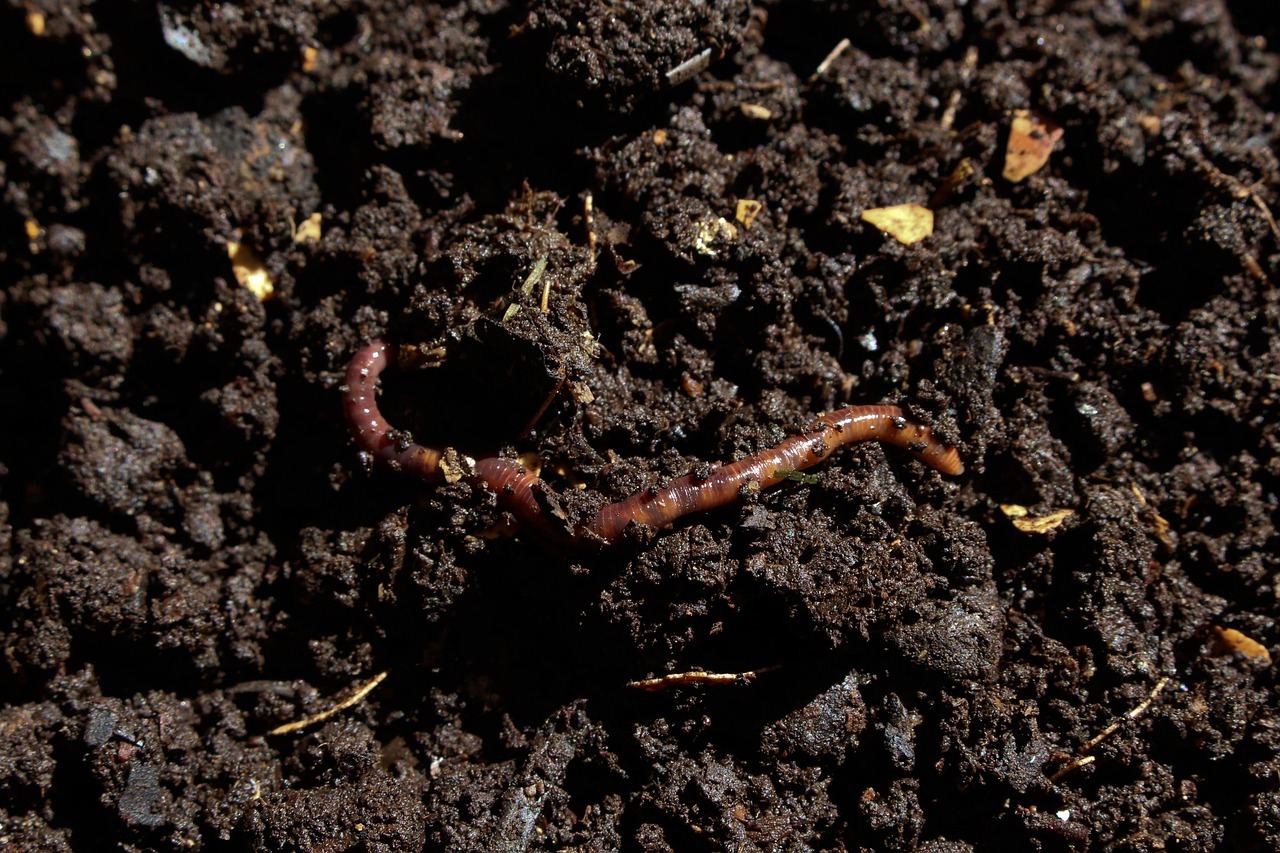
The US EPA notes that of the 9,000 species of earthworms, only seven are suitable for vermicomposting, and that one of the most used is the red wriggler, Eisenia fetida. It stresses that using a suitable species is essential and says not to use worms found outdoors or purchased at a bait shop. A new bin begins with one pound of worms, about 1,000 individual worms, bought from a worm grower or obtained from a neighbor who has a vermicomposting bin. Cornell’s basics page also names red worms, or red wigglers, which can be ordered from a worm farm.
For bedding, the EPA says to shred or tear non-glossy newspaper, office paper, cardboard or dry leaves and soak the material for 10 minutes. The bedding is then wrung out so it feels like a moist sponge, placed in the bin and fluffed up. The bin is filled almost halfway with the moist bedding, and a handful of soil is added.
What to feed and what to leave out
The US EPA says worms can be fed most fruit and vegetable scraps, coffee grounds and paper filters, crushed eggshells, and paper tea bags without staples. The agency says to avoid citrus fruits, odorous foods like onions and garlic, meat, dairy products, greasy foods, bones, and pet waste. Scraps should be chopped into small pieces to allow faster decomposition.
Cornell’s guidance for classroom bins recommends raw fruit and vegetable scraps. It says to stay away from meats, oils and dairy products, which are more complex materials than fruits and vegetables, take longer to break down and can attract pests. Cooked foods are often oily or buttery, which can also attract pests. Orange rinds and other citrus fruits are described as too acidic and able to attract fruit flies, and onions and broccoli are named as having a strong odor.
On feeding amounts, the EPA says food scraps go on the surface of the bedding once the worms have settled, and each time scraps are added they should be covered with two inches of bedding. It states that worms eat about 25 percent of their weight each day, that the amount fed can increase as the worms reproduce, and that the food scraps should always have been eaten before more is added.
Troubleshooting flies, odors and dying worms
Cornell’s troubleshooting page says fruit flies do not pose any health hazards but can be a nuisance. To help prevent them it advises avoiding rotten food, cutting scraps into small pieces, not overfeeding, burying food, keeping bedding moist but not too wet, feeding a varied diet, laying a piece of plastic or a sheet of newspaper over the bin contents and limiting citrus fruits. To control an existing problem it suggests removing rotten food, using flypaper strips, or placing a bowl of apple cider vinegar with a drop of dish detergent near the bin.
For an unpleasant odor, the same page lists four possible causes: a bin that is too wet, a bin that does not get enough air, naturally smelly food such as onions and broccoli, and non-compostables. It says meat, bones, dairy and oily products should not be fed to worms because these items become rancid when decomposing. For a bin that is too wet, it advises adding no water or watery foods such as melons and adding more dry bedding.
If the worm population is dwindling or worms are crawling all over the bin trying to escape, Cornell lists conditions to check: a bin that is too wet so worms drown, one that is too dry, too little air, too little food, and extreme temperatures. It adds that once worms devour all of their food and newspaper bedding, they will start to eat their own castings, which it describes as poisonous to them.
Harvesting and using vermicompost
The US EPA says that after three to six months the vermicompost, or worm castings, can be harvested at the bottom of the bin, and that it does not need to cure and can be used immediately or stored for future use. Cornell’s basics page puts harvest at 3-5 months, when the bin is filled with compost and very little bedding, and says castings at high concentrations create an unhealthy environment for worms. To prepare, no new food is added for two weeks.
One of Cornell’s two harvesting methods pushes all of the bin contents to one half and puts fresh bedding and food scraps in the empty side. Over the next 2-3 weeks the worms move toward the new food, leaving their compost behind in one section, and the compost can then be removed.
For compost in general, rather than worm bins in particular, the EPA’s page has a separate section on using finished compost. It says compost can go into flower and vegetable beds, window boxes and container gardens, be mixed with potting soil, or be spread on top of the soil. As a soil amendment it describes mixing two to four inches of compost into the top six to nine inches of soil. As a mulch it describes a three-inch layer on the surface, a few inches away from plant stems and tree trunks. Cornell’s guide also describes steeping compost in a watering can or rain barrel and watering plants with the result, and the page on compost tea looks at that practice separately.
Food-safety notes
A University of Georgia Extension horticulturist wrote a garden food-safety article dated July 24, 2003. It is general food-safety guidance for vegetable gardens and does not discuss worm castings or vermicompost. It says garden vegetables are free of human pathogens unless they become contaminated. It names animals, animal manure and people as the three main ways garden vegetables can be contaminated, and says animal manures and feces often contain human pathogens.
The same article advises keeping pets and domestic animals out of the garden, harvesting and storing vegetables in clean containers, and washing vegetables before eating them. It also advises cooling fresh-picked produce as soon as possible and making sure any water used for irrigating or spraying vegetables is of drinking-water quality. If a garden gets flooded, it advises being cautious about eating produce from it. It adds that fluids and juices from raw foods, and hands, counter surfaces and cleaning cloths that have touched raw food and have not been sanitized, can cross-contaminate garden produce, so cross-contamination is to be avoided.
A University of Hawaii extension publication on food-safety practices for home gardeners, dated March 2011, does address worm products. It says worm castings, vermicompost and earthworm compost teas are safe when used correctly, and cautions that there is scientific evidence that human pathogens can be found in teas produced from these materials, especially teas prepared incorrectly. It says the safety of the product has a lot to do with what was originally put into the worm bin and the process used to produce the teas. As another safety precaution, it advises avoiding letting the tea contact the edible portion of the crop, especially near harvest time and especially if the tea has not been tested for pathogens by a certified laboratory.
A peer-reviewed study of vermicompost made by smallholder farmers notes that the feedstock used to make vermicompost and vermicompost tea may harbour various pathogenic bacteria. The researchers sampled both products from five farms in Winterveldt, South Africa, and found a potentially pathogenic organism in only one of 60 samples, identified as Salmonella enterica serovar Typhimurium. The Salmonella counts were lower than the generally accepted infective doses, and the authors concluded that the products of those farmers presented a low risk. They added that farmers should be vigilant because there is always the possibility of zoonotic foodborne pathogens occurring in some batches. Both extension publications cited here are older guidance, and a cooperative extension office can give current local guidance on using compost or castings on food crops.
Frequently asked questions
Which worms are used for vermicomposting?
The US EPA names the red wriggler, Eisenia fetida, as one of the most used species, and says not to use worms found outdoors or purchased at a bait shop.
What should not go in a worm bin?
The EPA says to avoid citrus fruits, odorous foods like onions and garlic, meat, dairy products, greasy foods, bones, and pet waste, as listed on its home composting page.
How long until the first harvest?
The EPA says vermicompost can be harvested after three to six months, while Cornell’s classroom guide gives 3-5 months for a bin filled with compost and very little bedding.
Can a worm bin be kept outdoors?
According to the EPA, a bin can be kept outdoors in the shade, and an outdoor bin should be insulated to keep it warm during colder months.