How to compost at home comes down to balancing carbon-rich browns with nitrogen-rich greens, keeping the pile moist and aerated, and giving it time. The main choices are a backyard pile or bin and a worm bin.
Readers who want the bigger picture of soil care can start with this overview of organic gardening for beginners.
What composting is and why gardeners do it
The US EPA defines composting as the managed, aerobic (oxygen-required) biological decomposition of organic materials by microorganisms. The end product is compost, which the agency describes as a biologically stable soil amendment that can be used to build soil health and provide nutrients to plants. The microorganisms use carbon and nitrogen to grow and reproduce, water to digest materials and oxygen to breathe, so a pile has to supply each of them.
Penn State Extension describes compost as improving aeration in clay soils, which helps plant roots penetrate the soil and allows excess water to drain, and as improving the water holding capacity of sandy soils.
Browns, greens and getting the balance right
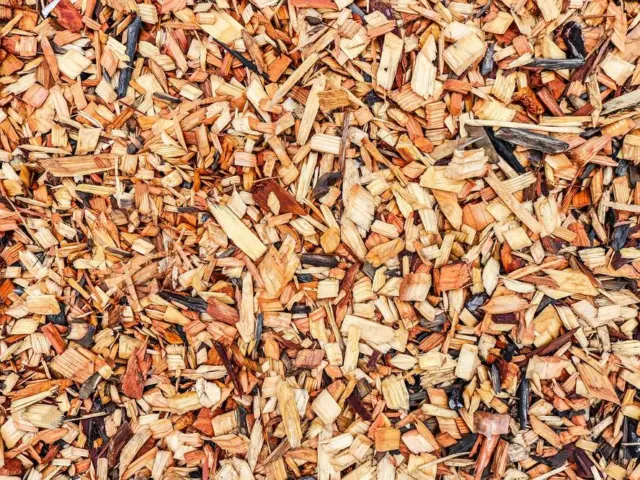
Browns are carbon-rich materials and greens are nitrogen-rich ones. On its home composting page, the EPA lists fruit and vegetable scraps, grass clippings, coffee grounds and paper filters, paper tea bags without staples and crushed eggshells as greens. Its browns are dry leaves, plant stalks and twigs, untreated wood chips, shredded non-glossy and uncolored paper and brown bags, and shredded cardboard without wax coating, tape or glue.
The EPA’s approaches to composting page gives the ideal ratio as roughly three parts browns to one part greens by volume, which it translates to roughly 30:1 in terms of elemental carbon to nitrogen. The EPA’s home guidance says to add at least two to three times the volume of browns to the volume of greens. Penn State Extension gives a preferred C/N ratio of 25–30 parts carbon to 1 part nitrogen.
Penn State says that if too much brown material has been added, the pile will decompose slowly. The EPA says a mismatched ratio of carbon to nitrogen may lead to odors, pests or incomplete decomposition of materials in the pile.
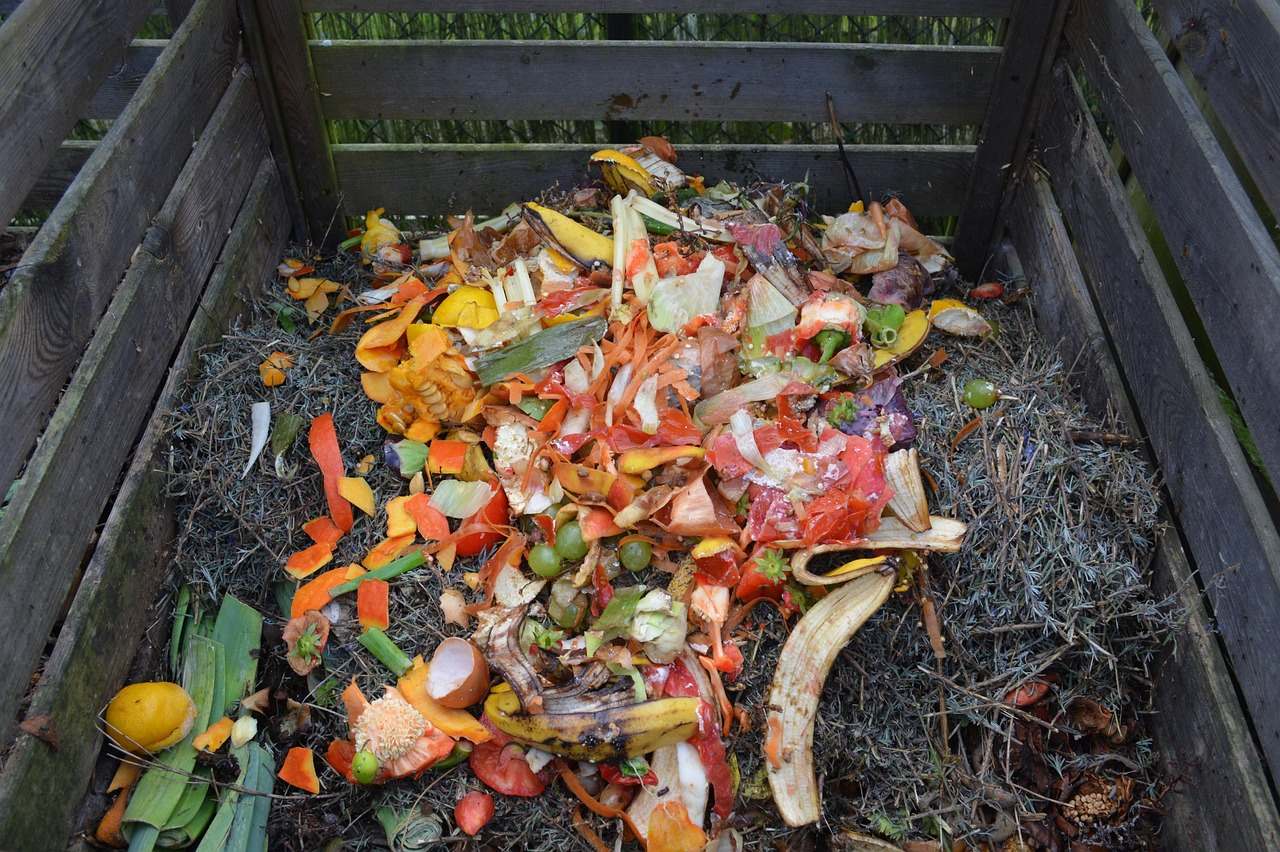
What to keep out of a home compost pile
The EPA lists these materials to avoid adding to a backyard compost pile:
- Meat, fish and bones
- Cheese and dairy products
- Fats, oils and grease
- Cooked food (small amounts are fine)
- Compostable foodservice ware and compostable bags
- Herbicide-treated plants and grass
- Aggressive weeds and weeds with seeds
- Diseased and pest-infested plants
- Treated or painted wood
- Pet waste and cat litter
- Dryer lint
- Glossy paper
- Produce stickers
The EPA marks meat, fish and bones, dairy, fats and cooked food as items that can attract animals. It adds that backyard composting piles generally do not reach high enough temperatures to fully decompose those items or compostable foodservice ware and bags. These materials can be composted at commercial composting facilities, and the agency advises checking first to make sure the specific facility accepts them.
Penn State Extension keeps a similar list of what not to include: meat, bones, cheese, salad dressing, oils and other fats, plant material with visible signs of disease or insect infestation, weeds that can easily grow from root or stem cuttings, and human and pet wastes. It says cheese, salad dressing, oils and other fats can cause odors and attract animals, and that local and county codes may prohibit some materials, such as raw animal manure, in a compost pile.
Making a hot pile in a bin or heap
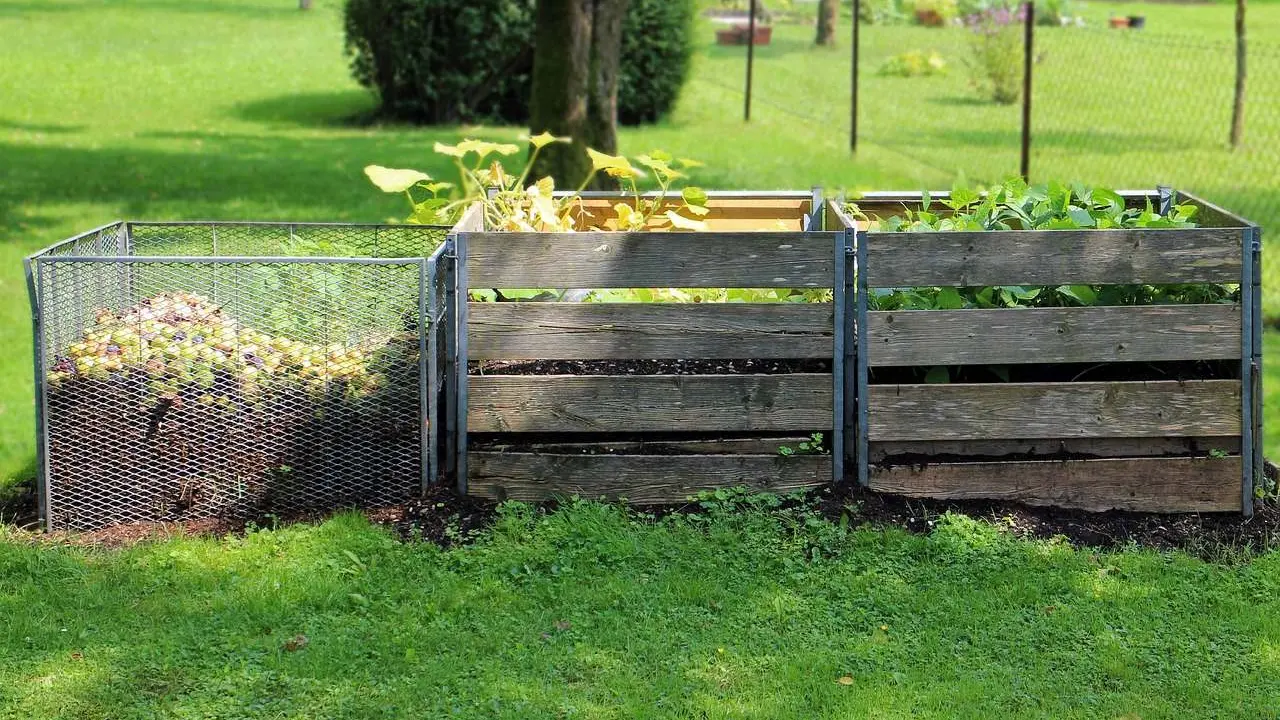
The EPA suggests a spot that is easily accessible year-round and has good drainage, with a water source nearby and not right up against a fence. Bins can be built from wire, wood or cinder blocks, or bought as enclosed barrels and tumblers. Chopping or breaking materials into smaller pieces before adding them helps them break down faster.
For the build, the EPA starts with a four- to six-inch layer of bulky browns such as twigs and wood chips, which absorbs extra liquids and lets air circulate at the base. Greens and browns then go on in layers, like lasagna. The agency says food scraps should always be covered by four to eight inches of dry leaves or other browns, and that the combined materials should have the consistency of a wrung-out sponge, as set out in its home composting steps.
As the materials decompose, the temperature of the pile rises, especially in the center. The EPA’s home composting page says a well-maintained backyard pile can reach temperatures of 130° to 160° F, and that high temperatures help reduce the presence of pathogens and weed seeds. A second EPA page, on approaches to composting, puts optimal microbial activity at 131 to 160 degrees Fahrenheit. It says that below that range decomposition occurs more slowly and pathogens and weed seeds may remain in the final compost, and that pile temperatures must remain at 131 degrees Fahrenheit or above for several days to meet standards for reducing pathogens.
Penn State Extension gives a target of 140 to 160°F for a home pile. It notes that a small pile will not be able to maintain this temperature during late fall and early winter, while a larger pile will restrict air movement to the center. It says it is necessary to turn the pile frequently during the initial 3 to 4 weeks and once or twice during the remainder of the composting period. The EPA suggests using a garden fork to turn the outside of the pile inward.
The EPA’s home composting page gives three fixes for common problems:
- If the pile is too dry, activity slows or stops, so moisten the pile and turn it.
- If the pile has a bad odor, it may be too wet or need more air circulation, so add more browns or dry material and turn the pile.
- If the pile is not heating up, mix in greens and turn the pile.
On pests, the EPA says home compost piles that are well constructed and maintained properly should not attract pests or rodents. If a bin is used, it advises reinforcing it with a lid and potentially a floor, with no holes or gaps in the bin larger than ¼ inch. It also advises covering and burying food scraps in the pile, and not adding meat, dairy or greasy foods.
Slower, low-effort piles and how long compost takes
The EPA’s approaches to composting describes passively aerated static piles, freestanding or in bins, where warm air rising through the pile draws cool air in through the sides and bottom. It recommends turning the pile occasionally to encourage even decomposition, and says this method usually does not get the pile hot enough to break down materials such as meat, bones and dairy products. The same EPA page warns that below the 131 to 160 degrees Fahrenheit range, decomposition will occur more slowly, and pathogens and weed seeds may remain in the final compost. Three-bin systems are a common model, with each bin holding compost at a different stage.
The EPA says compost in a well-maintained pile will be finished and ready for use in about three to five months, while a pile left untended may take a year to decompose. Penn State Extension says a typical pile takes approximately 3 to 4 months, and that a pile goes dormant during the winter but begins to decompose again when air temperatures increase above 50°F.
Finished compost looks dark, loose and crumbly and smells like fresh soil, according to the EPA. Once the pile no longer heats up after mixing and no food scraps are visible, the agency says to let it cure for at least four weeks, after which it will have shrunk to about one-third of its original size. Twigs, fruit pits, eggshells, produce stickers and plastic can be sifted out, and the pits and eggshells can go back into the active pile.
Worm composting
Worm composting, or vermicomposting, is the other home method the EPA describes. It needs a container or bin, bedding, worms and food scraps, and can be kept indoors or in a shaded outdoor spot. The bin should have a tight-fitting lid, be a dark color and have air holes, and a second bin underneath can catch liquid that drains out. The agency says a properly maintained worm bin should not emit odors or attract pests.
A suitable worm species is essential. The EPA names the red wriggler, Eisenia fetida, as one of the most used, and says not to use worms found outdoors or bought at a bait shop. A bin starts with one pound of worms, which it puts at about 1,000 individual worms. Bedding can be shredded or torn non-glossy newspaper, office paper, cardboard or dry leaves, wrung out until it feels like a moist sponge.
For food, the EPA lists most fruit and vegetable scraps, coffee grounds and paper filters, crushed eggshells and paper tea bags without staples. It says to avoid citrus fruits, odorous foods like onions and garlic, meat, dairy products, greasy foods, bones and pet waste. Food scraps are covered with two inches of bedding each time, and the agency says worms eat about 25 percent of their weight each day, so new food should only go in once the previous scraps have been eaten. Vermicompost can be harvested after three to six months.
On temperature, the EPA’s approaches to composting page gives an ideal range of 55 to 80 degrees Fahrenheit for a worm system. Earthworms survive at 32 to 95 degrees Fahrenheit with at least four inches of bedding and insulation around the bin during colder months. A fuller walkthrough of bin setup and feeding is in the guide to vermicomposting.
Using finished compost
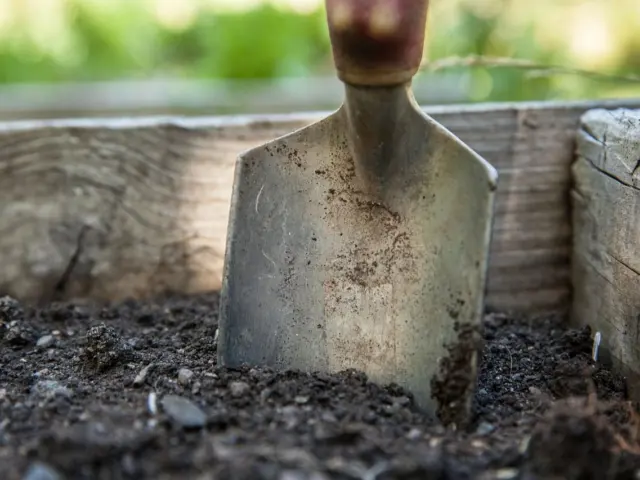
The EPA says finished compost can be used as a soil amendment or as a mulch. As an amendment, it advises mixing in two to four inches of compost to the top six to nine inches of soil. As a mulch, it advises a three-inch layer on the surface, a few inches away from plant stems and tree trunks.
Penn State Extension gives a lighter rate for garden soil, mixing 1 to 2 inches of compost into the top 6 to 8 inches of topsoil. It also recommends having the soil’s pH, nutrient balance and organic matter content analyzed before adding compost, and suggests contacting a local county extension office for help with the results.
Compost is only one of several soil amendments gardeners use, and the guide to biochar for gardens looks at another.
Frequently asked questions
Can meat or dairy go in a backyard compost pile?
The EPA puts meat, fish, bones, cheese and dairy products on its list of materials to avoid. It points out that these foods can attract animals and that backyard piles generally do not get hot enough to fully decompose them.
What should be done about a compost pile that smells bad?
According to the EPA, a bad odor suggests the pile is too wet or needs more air. Adding browns or other dry material and turning the pile is its recommended response.
Is pet waste suitable for home composting?
The EPA lists pet waste and cat litter among the materials to avoid adding to a backyard pile, and Penn State Extension lists human and pet wastes among the materials not to include.
How long does homemade compost take to finish?
A pile that is kept well maintained can be ready in about three to five months, per the EPA, but the same page says an untended pile may need a year.
Can worms from the garden be used in a worm bin?
The EPA says a suitable species is essential and that worms found outdoors or bought at a bait shop should not be used.